










How Does Temperature Affect the Performance of PP Corrugated Plastic Sheets?
2026-11-24Temperature is an important factor to consider when selecting materials for packaging, storage, transportation, and industrial applications. PP corrugated plastic sheets are widely used in different industries because of their lightweight structure, durability, and versatility. However, like other thermoplastic materials, polypropylene (PP) can be affected by changes in temperature. Understanding how heat and cold influence its performance can help businesses choose the right material for their specific applications.
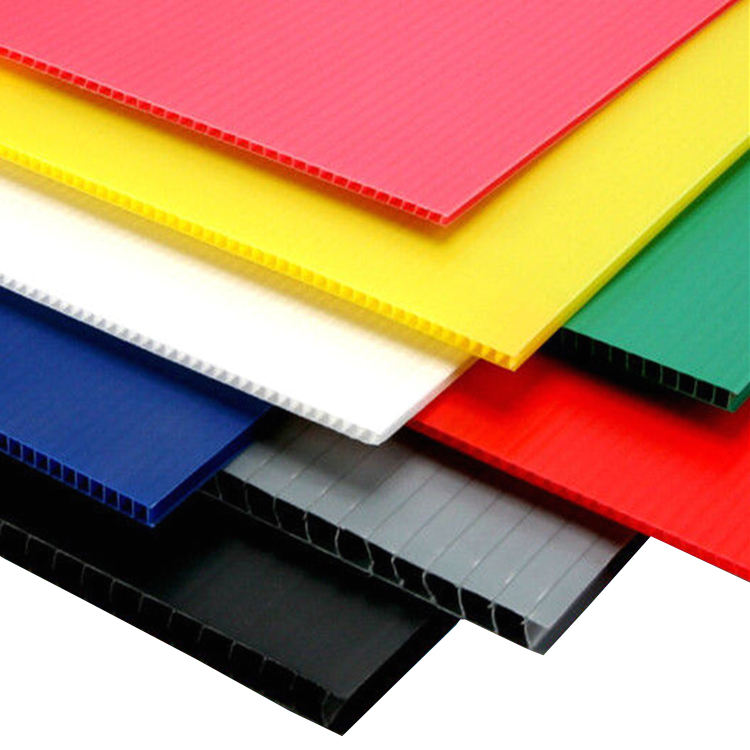
PP corrugated plastic sheets are manufactured from polypropylene resin and feature a twin-wall structure with hollow flutes between two flat surfaces. This structure provides a combination of strength and flexibility while keeping the material lightweight. Under normal working conditions, PP sheets maintain good dimensional stability and mechanical properties. However, extreme temperatures may change their flexibility, stiffness, and load-bearing capacity.
When exposed to high temperatures, polypropylene gradually becomes softer and more flexible. As the temperature increases, the material may lose some of its stiffness and resistance to deformation. If heavy loads are placed on corrugated plastic sheets in a hot environment, they may bend or deform more easily than they would under normal conditions. Prolonged exposure to elevated temperatures can also affect the dimensional stability of the sheets, particularly when they are used as structural components or load-bearing packaging materials.
For applications involving heat, it is important to consider both the operating temperature and the duration of exposure. Short-term exposure to higher temperatures may have a different effect from continuous use in a hot environment. Therefore, businesses should evaluate actual working conditions before selecting the appropriate sheet thickness and weight.
Low temperatures can also influence the performance of PP corrugated plastic sheets. As the temperature decreases, polypropylene generally becomes stiffer and less flexible. At sufficiently low temperatures, its impact resistance may decrease, making the material more susceptible to cracking or damage when subjected to sudden impacts, bending, or rough handling. This is particularly important for products used in cold storage facilities, refrigerated transportation, and outdoor environments during winter.
Although temperature affects the physical properties of polypropylene, PP corrugated plastic sheets remain a practical choice for many indoor and outdoor applications. Their performance depends on several factors, including material quality, sheet thickness, weight, structural design, and environmental conditions. Selecting the appropriate specifications can help maintain reliable performance under different working conditions.
For applications involving significant temperature fluctuations, businesses should also consider additional environmental factors. For example, outdoor products may experience both temperature changes and prolonged exposure to sunlight. In such cases, UV-resistant additives can help improve resistance to ultraviolet radiation and extend the service life of the material. However, UV resistance and heat resistance are different properties and should be evaluated separately.
Before placing a bulk order, it is advisable to test samples under actual working conditions. Testing can help determine whether the selected material provides sufficient stiffness, flexibility, and impact resistance for the intended application.
At Jinan Mantis Company Ltd., we manufacture PP corrugated plastic sheets in various thicknesses, weights, and sizes to meet different industrial requirements. We can also customize material specifications according to customers' applications. Whether the sheets are intended for packaging, warehouse storage, transportation, or surface protection, selecting the right material is essential for achieving consistent performance and long-term value.
 عربي
 Deutsch
 Français
 Italia
 Portugal
 España