











How Flute Direction Affects Corrugated Plastic Sheet Performance
2026-10-15Corrugated plastic sheets, also known as PP hollow sheets, are lightweight, durable, and versatile materials used in packaging, signage, industrial applications, and protective products. Besides thickness and weight, flute direction is another important factor that affects sheet performance, structural strength, and processing results.
What Is Flute Direction?
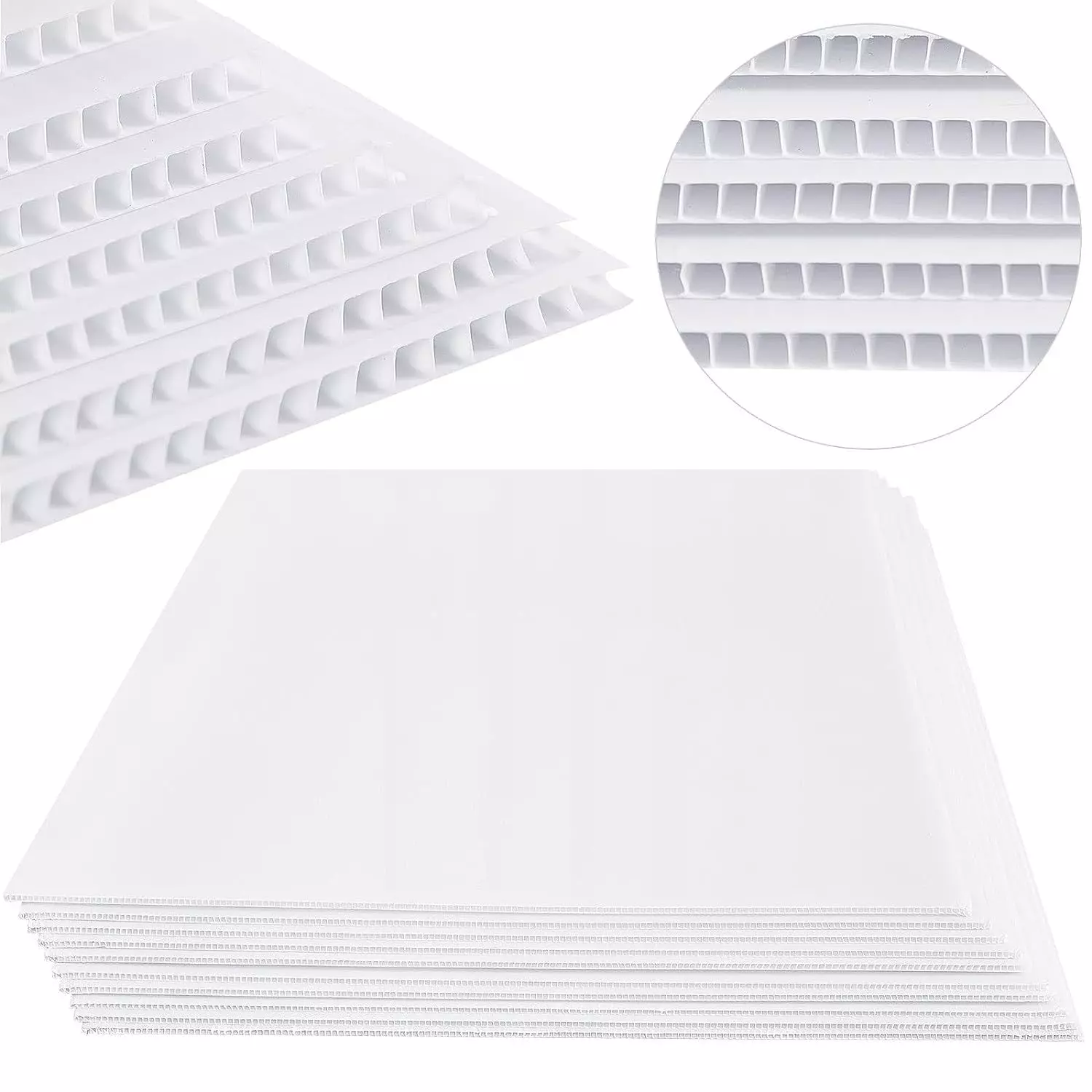
Flute direction refers to the orientation of the hollow channels inside a corrugated plastic sheet. These parallel channels form the internal structure of the sheet and influence its stiffness, flexibility, and resistance to bending. Understanding flute direction helps manufacturers and buyers select the right material for specific applications.
How Does Flute Direction Affect Strength?
Corrugated plastic sheets generally offer different levels of stiffness depending on the direction of the applied force. When bending occurs parallel or perpendicular to the flutes, the sheet may respond differently. This directional behavior is important when designing packaging components, dividers, signs, and other fabricated products.
For applications requiring greater rigidity in a particular direction, the flute orientation should be considered during product design. However, overall performance also depends on sheet thickness, grammage, material quality, and product structure.
Why Does Flute Direction Matter in Processing?
Flute direction can influence cutting, folding, creasing, and fabrication. For example, when producing custom PP hollow sheet boxes, the orientation of the flutes should be considered when planning fold lines and panel layouts. Proper design helps achieve cleaner folds and more consistent product shapes.
During cutting and converting, understanding the internal structure also helps manufacturers plan material layouts more efficiently and reduce unnecessary waste. For printed products, flute direction is generally less important than surface quality and printing compatibility, but it remains a useful consideration in the overall design.
How to Choose the Right Flute Direction
The best flute direction depends on the intended application. Buyers should consider the required stiffness, load-bearing conditions, folding requirements, dimensions, and fabrication method before confirming specifications. For customized products, discussing flute orientation with the manufacturer during the design stage can help avoid unnecessary adjustments during production.
At Mantis, we manufacture PP corrugated plastic sheets and customized corrugated plastic products for a wide range of industrial and commercial applications. With flexible options for thickness, grammage, dimensions, colors, and fabrication, we help customers select suitable materials for their projects. Contact our team to discuss your requirements and find the right solution for your application.
 عربي
عربي Deutsch
 Français
 Italia
 Portugal
 España