










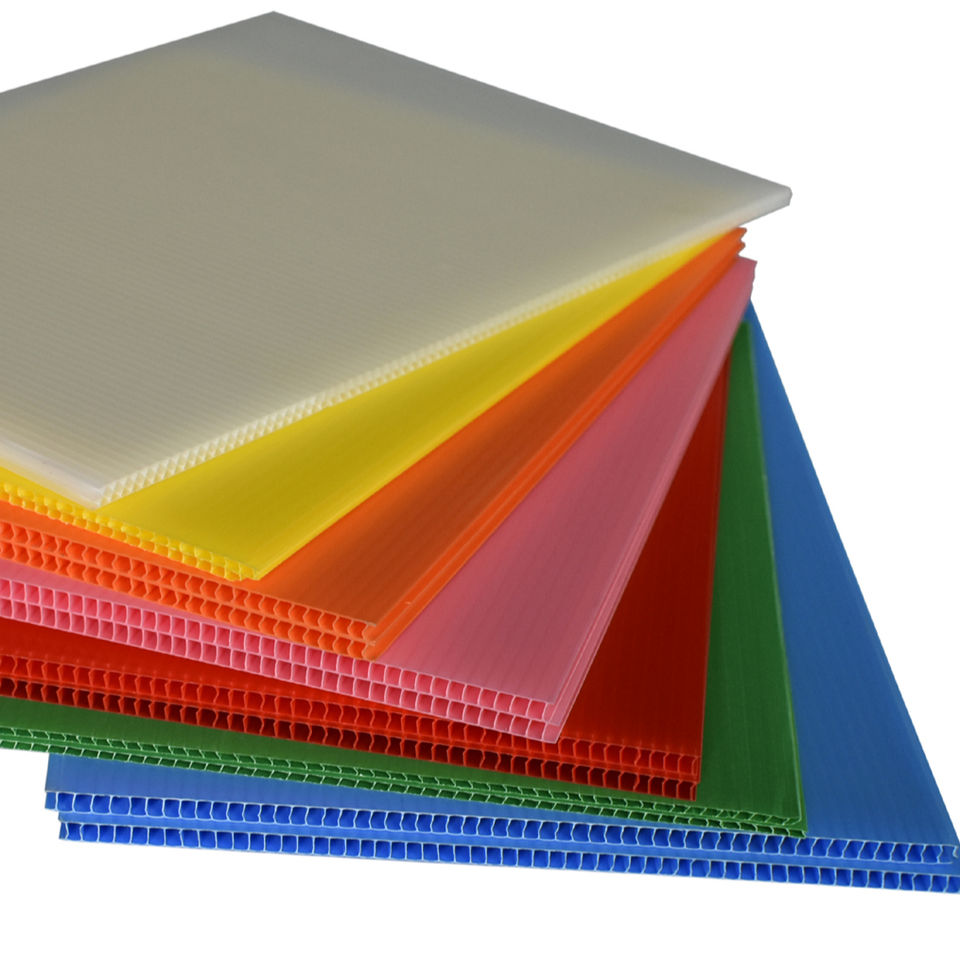
What Causes Warping in Corrugated Plastic Sheets and How to Prevent It?
2026-10-15Corrugated plastic sheets, also known as PP hollow sheets, are widely used in packaging, signage, industrial dividers, and protective products. Although these sheets are lightweight and durable, warping can sometimes occur during production, storage, transportation, or use. Understanding the common causes of warping can help manufacturers and buyers maintain product quality and achieve better performance.
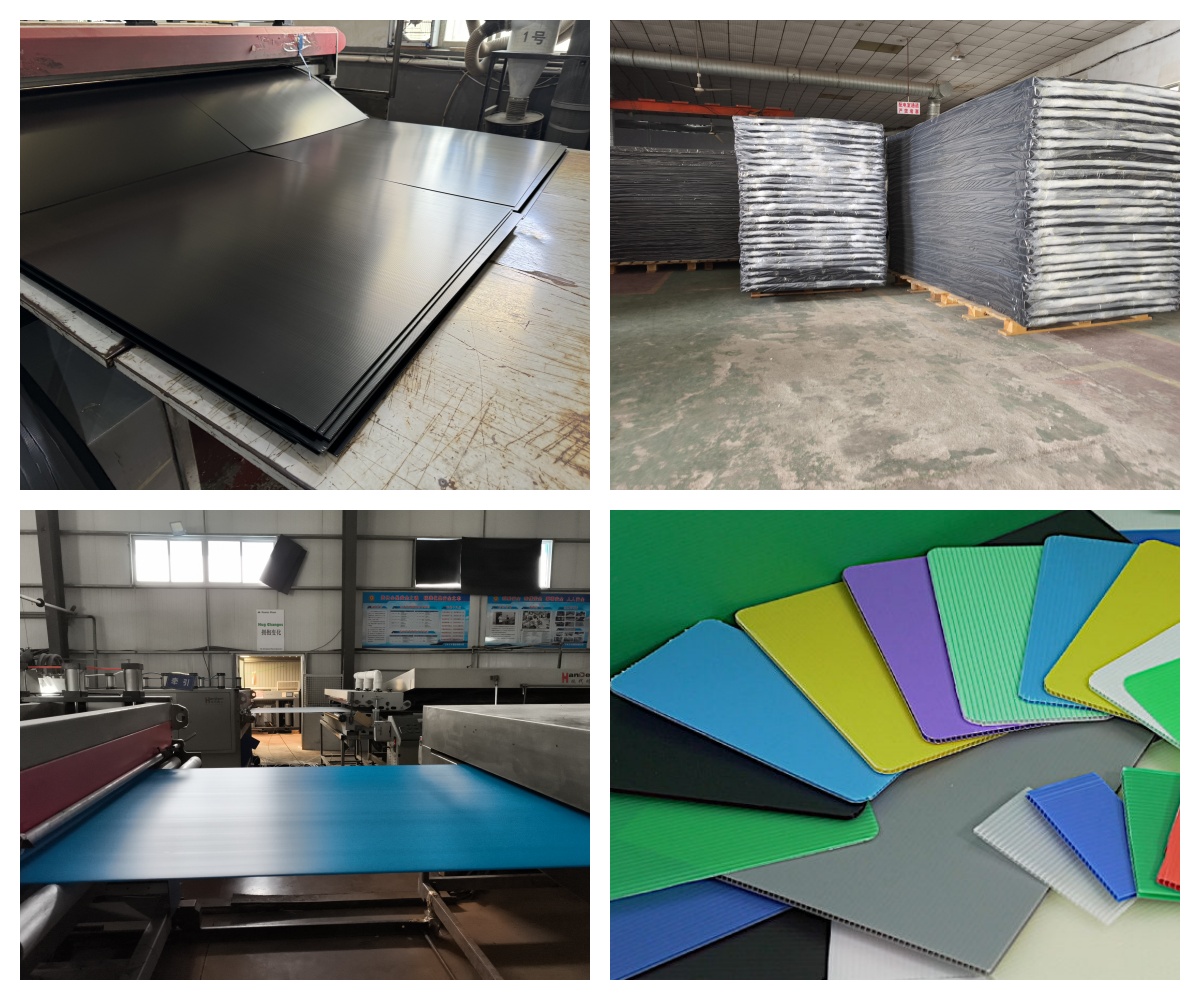
Warping in corrugated plastic sheets can result from uneven cooling during manufacturing. Polypropylene needs to cool evenly after extrusion. If different areas of a sheet cool at different rates, internal stresses may develop, causing the sheet to bend or deform. Proper temperature control and consistent cooling conditions are essential for producing flat, stable sheets.
Improper storage is another common cause. When corrugated plastic sheets are stacked unevenly or placed on an irregular surface, prolonged pressure can lead to deformation. Excessive stacking loads may also affect flatness, particularly when the sheets are stored for extended periods. To reduce this risk, sheets should be placed on a flat, level surface and stacked evenly with appropriate support.
Temperature fluctuations can also contribute to warping. Polypropylene expands when heated and contracts when cooled. When sheets are exposed to direct sunlight, high temperatures, or uneven heating, dimensional changes may occur. For outdoor applications, selecting suitable materials and considering the expected operating environment can help reduce potential deformation.
In addition, sheet thickness, grammage, flute direction, and overall structural design can influence rigidity. Sheets with insufficient stiffness for their intended application may bend more easily under external loads. Choosing the appropriate specifications is therefore important, especially for large-format products or applications requiring consistent flatness.
To prevent warping, manufacturers should maintain stable production conditions, control cooling processes, and inspect finished sheets for flatness. Buyers should also follow proper storage and handling practices, avoid excessive loads, and protect sheets from unnecessary heat exposure. For customized products, confirming the required dimensions, thickness, grammage, and application conditions before production can help minimize potential issues.
At Mantis, we manufacture PP corrugated plastic sheets and customized products with different thicknesses, grammages, colors, and dimensions. Through careful production control and suitable material selection, we help customers find reliable solutions for their specific applications. Contact our team to discuss your requirements and learn more about our corrugated plastic products.
 عربي
عربي Deutsch
 Français
 Italia
 Portugal
 España