










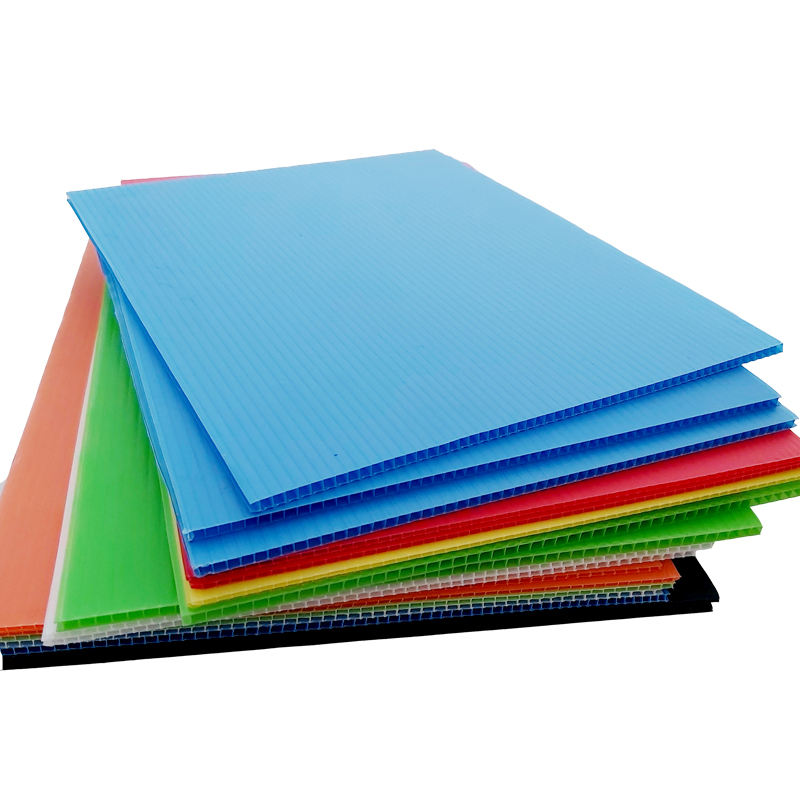
What Should Buyers Check Before Approving Corrugated Plastic Sheet Samples?
2026-10-26Approving samples is an important step when purchasing corrugated plastic sheets for packaging, construction protection, signage, or other industrial applications. Before placing a bulk order, buyers should carefully evaluate whether the samples meet their requirements for dimensions, thickness, weight, strength, appearance, and processing performance. A thorough sample inspection helps reduce potential quality issues and ensures greater consistency in mass production.
First, check the dimensions and thickness of the corrugated plastic sheets. Measure the length, width, and thickness to confirm that they match the agreed specifications. Even small dimensional deviations may affect assembly, cutting, printing, or compatibility with existing packaging systems. If precise dimensions are essential for your application, confirm the acceptable tolerances with your supplier before approving the samples.
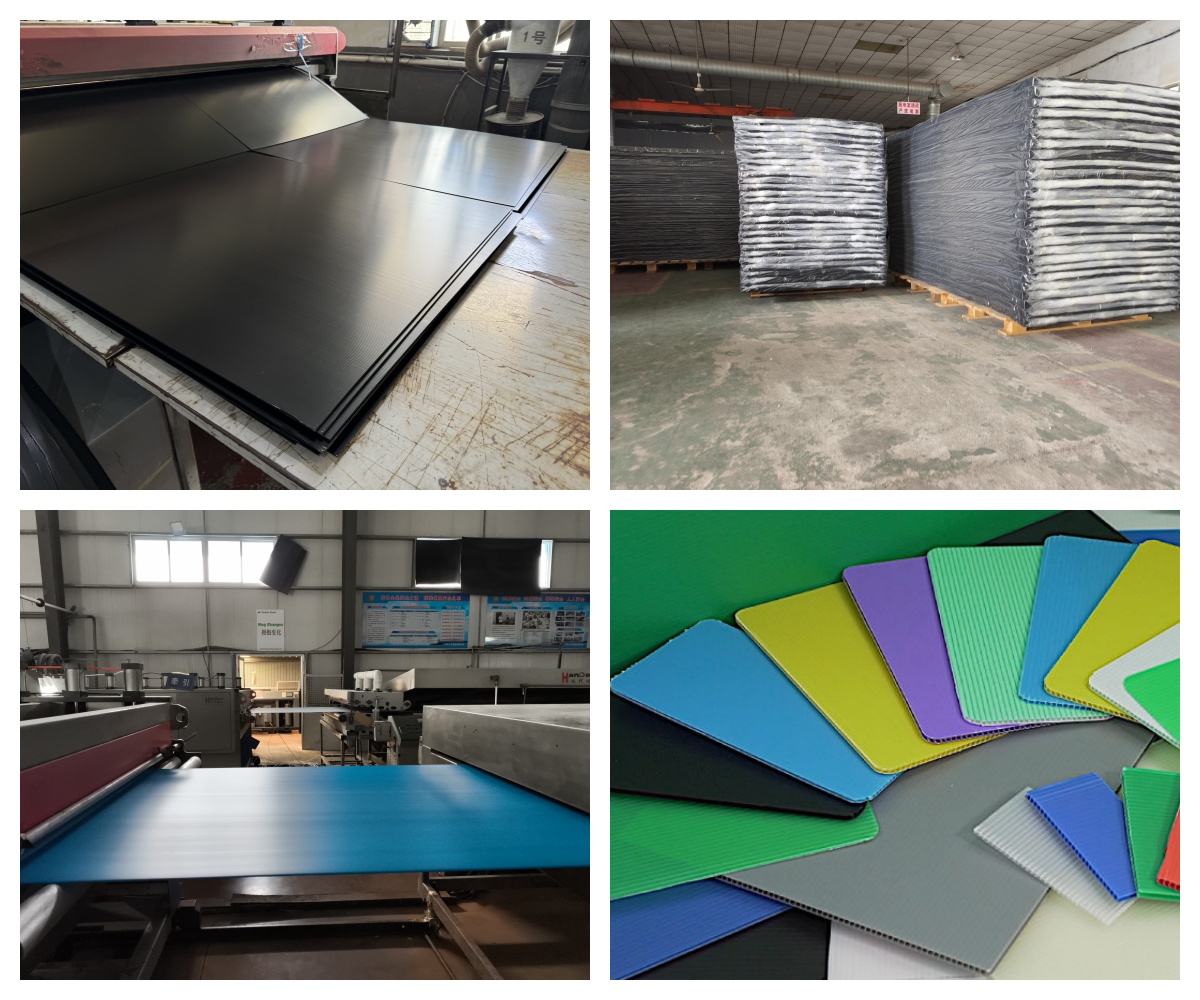
Next, evaluate the sheet weight and material structure. Corrugated polypropylene sheets are available in different thicknesses and weights, which influence their stiffness, durability, and suitability for different applications. Buyers should check whether the sample's weight per square meter, commonly expressed in GSM, meets the agreed requirements. The internal flute structure should also be consistent, without obvious crushing, deformation, or other visible defects.
Mechanical performance is another important consideration. Depending on the intended application, buyers may need to assess the sheet's flexibility, stiffness, impact resistance, and load-bearing performance. For example, sheets used as packaging dividers may require sufficient rigidity to separate products, while temporary surface protection sheets need to withstand the expected conditions during handling and installation. Testing should reflect the actual application rather than relying on appearance alone.
Appearance and processing performance should also be inspected. Check the surface for scratches, stains, uneven coloring, and other visible imperfections. For printed sheets, review the color accuracy, logo clarity, and printing adhesion. If the sheets will be cut, folded, creased, or fabricated into boxes, evaluate whether they can be processed smoothly and meet the required finished dimensions.
In addition, confirm any special performance requirements before approval. These may include UV resistance for outdoor applications, antistatic properties for electronic component packaging, or flame-retardant performance where specified. Request relevant test reports or supporting documentation when necessary, and make sure the sample corresponds to the material specification agreed upon for the bulk order.
Finally, document the approved sample specifications, including material type, dimensions, thickness, GSM, color, printing details, and any special requirements. If possible, retain an approved reference sample for comparison during mass production. Buyers should also ask their supplier to confirm that the same specifications and production standards will be maintained for the full order.
At Mantis, we provide customized PP corrugated plastic sheets in various sizes, thicknesses, colors, and printing options. By confirming your requirements and evaluating samples before production, you can make a more informed purchasing decision and find a suitable solution for your application.
 عربي
 Deutsch
 Français
 Italia
 Portugal
 España