










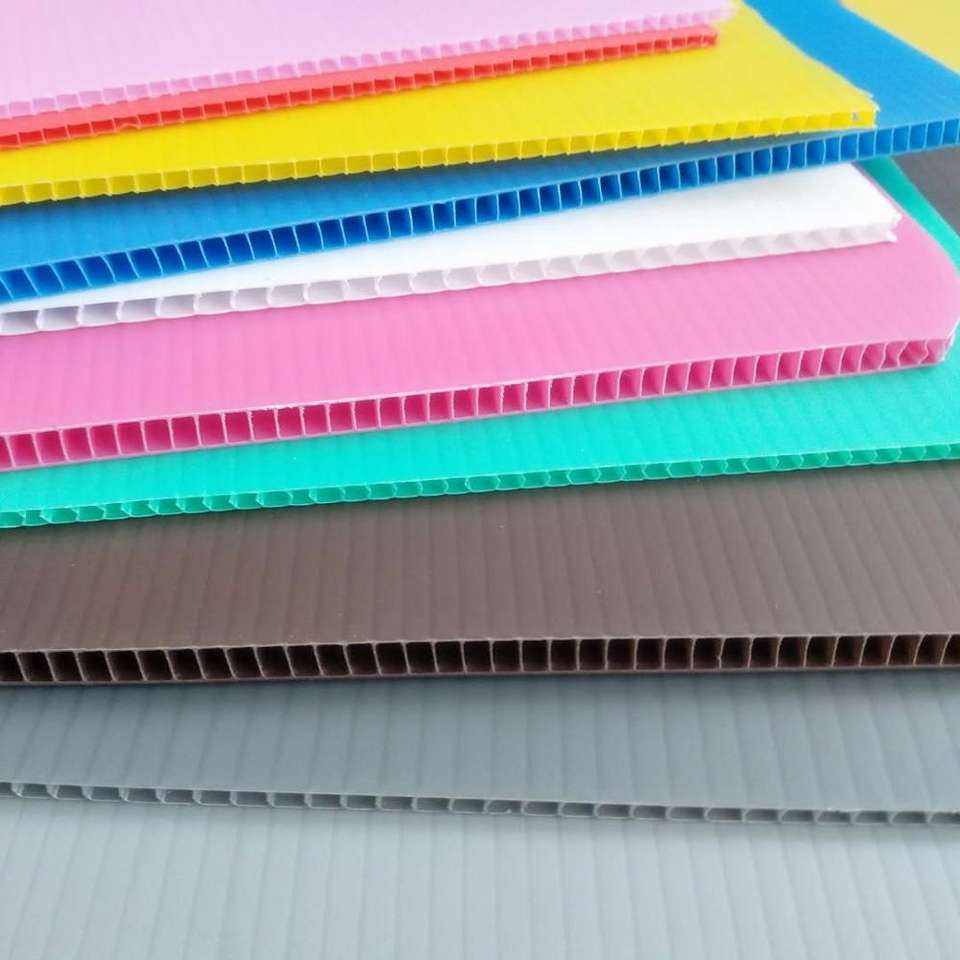
How Temperature Changes Affect the Performance of PP Corrugated Plastic Sheets
2026-10-20PP corrugated plastic sheets are widely used in packaging, advertising, construction, and industrial protection because of their lightweight structure, moisture resistance, and versatility. However, temperature changes can affect their physical properties, dimensional stability, and overall performance. Understanding how these sheets respond to different temperature conditions helps buyers select suitable materials and maintain their performance during storage, transportation, and use.
Polypropylene (PP) is a thermoplastic material, meaning its properties change with temperature. At higher temperatures, PP corrugated plastic sheets may become softer and less rigid. If exposed to excessive heat, they can deform, bend, or lose their original shape, particularly when subjected to heavy loads or uneven pressure. For applications such as packaging dividers, protective boards, and reusable containers, it is important to consider the operating temperature and the mechanical demands placed on the sheets. Avoiding prolonged exposure to high temperatures can help reduce the risk of deformation.
Low temperatures can also influence the performance of PP corrugated plastic sheets. As temperatures decrease, polypropylene generally becomes less flexible and may be more susceptible to impact damage, depending on the material formulation and the specific conditions. Sheets used in cold storage facilities, refrigerated transportation, or outdoor environments during winter should be selected according to the expected temperature range and application requirements. For demanding low-temperature environments, testing samples under actual operating conditions is a practical way to evaluate suitability.
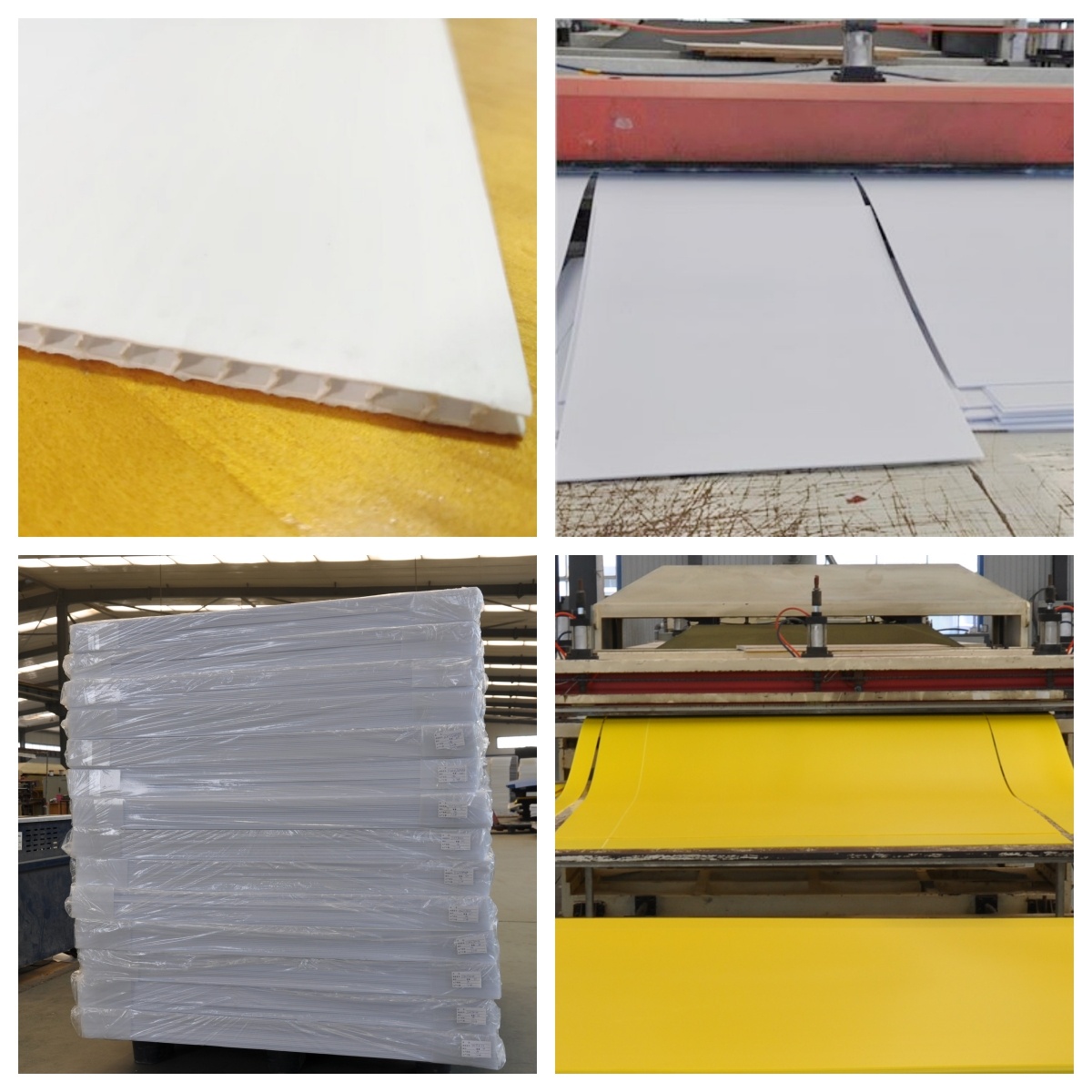
Temperature fluctuations can create additional challenges, especially when sheets are exposed to repeated heating and cooling. Changes in temperature may cause the material to expand or contract slightly. If the sheets are tightly fixed, stacked unevenly, or stored under pressure, these changes may contribute to warping or dimensional variation. Proper storage is therefore important. Keep the sheets on a flat, stable surface, avoid placing excessive weight on them, and protect them from direct heat sources. During transportation, suitable packaging can also help prevent deformation caused by uneven pressure or improper stacking.
For outdoor applications, temperature is not the only environmental factor to consider. Direct sunlight can heat the sheet surface beyond the surrounding air temperature, especially in dark colors. Ultraviolet (UV) radiation may also gradually affect the material if it is not formulated for outdoor exposure. When corrugated plastic sheets are intended for outdoor signs, temporary protection, or agricultural use, UV-resistant options may help improve their durability under suitable conditions. The expected service life will still depend on the material formulation, exposure intensity, and local climate.
Selecting the right thickness and grammage is another important consideration. Heavier sheets may provide greater rigidity in some applications, but thickness and grammage alone cannot guarantee resistance to temperature-related deformation. Material quality, flute structure, load conditions, and manufacturing consistency also influence performance. Buyers should communicate their expected operating temperatures and intended uses when requesting a quotation.
At Mantis, we manufacture PP corrugated plastic sheets in various thicknesses, grammages, colors, and customized sizes for different industrial and commercial applications. By understanding your working environment, we can help you identify suitable specifications for your project. Contact us to discuss your requirements and request samples for evaluation before bulk production.
 عربي
 Deutsch
 Français
 Italia
 Portugal
 España