








PP Corrugated Sheets vs. PE Sheets: Key Differences
2026-10-28Polypropylene (PP) corrugated sheets and polyethylene (PE) sheets are widely used in packaging, construction, agriculture, and industrial applications. Although both materials are lightweight, moisture-resistant, and versatile, they have different properties that make them suitable for different purposes. Understanding their key differences can help you select the right material for your project.
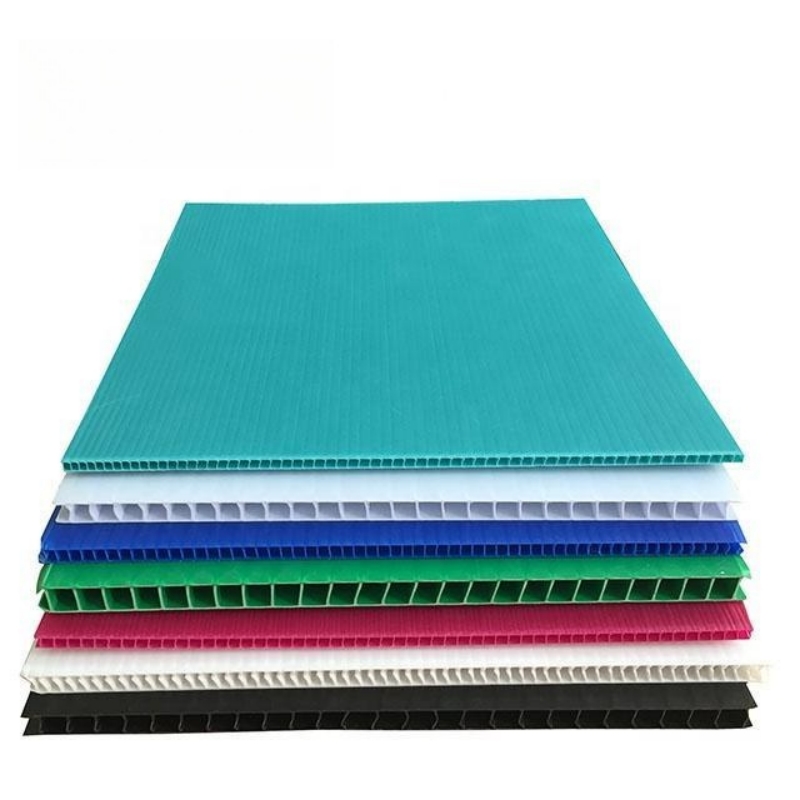
PP corrugated sheets are made from polypropylene and feature a hollow, fluted structure between two flat surfaces. This structure provides a good balance of rigidity and lightweight performance. PP corrugated sheets are easy to cut, fold, print, and customize, making them suitable for reusable packaging boxes, layer pads, advertising signs, construction protection boards, and industrial dividers. They are also resistant to water and many common chemicals, making them a practical choice for applications that require repeated handling.
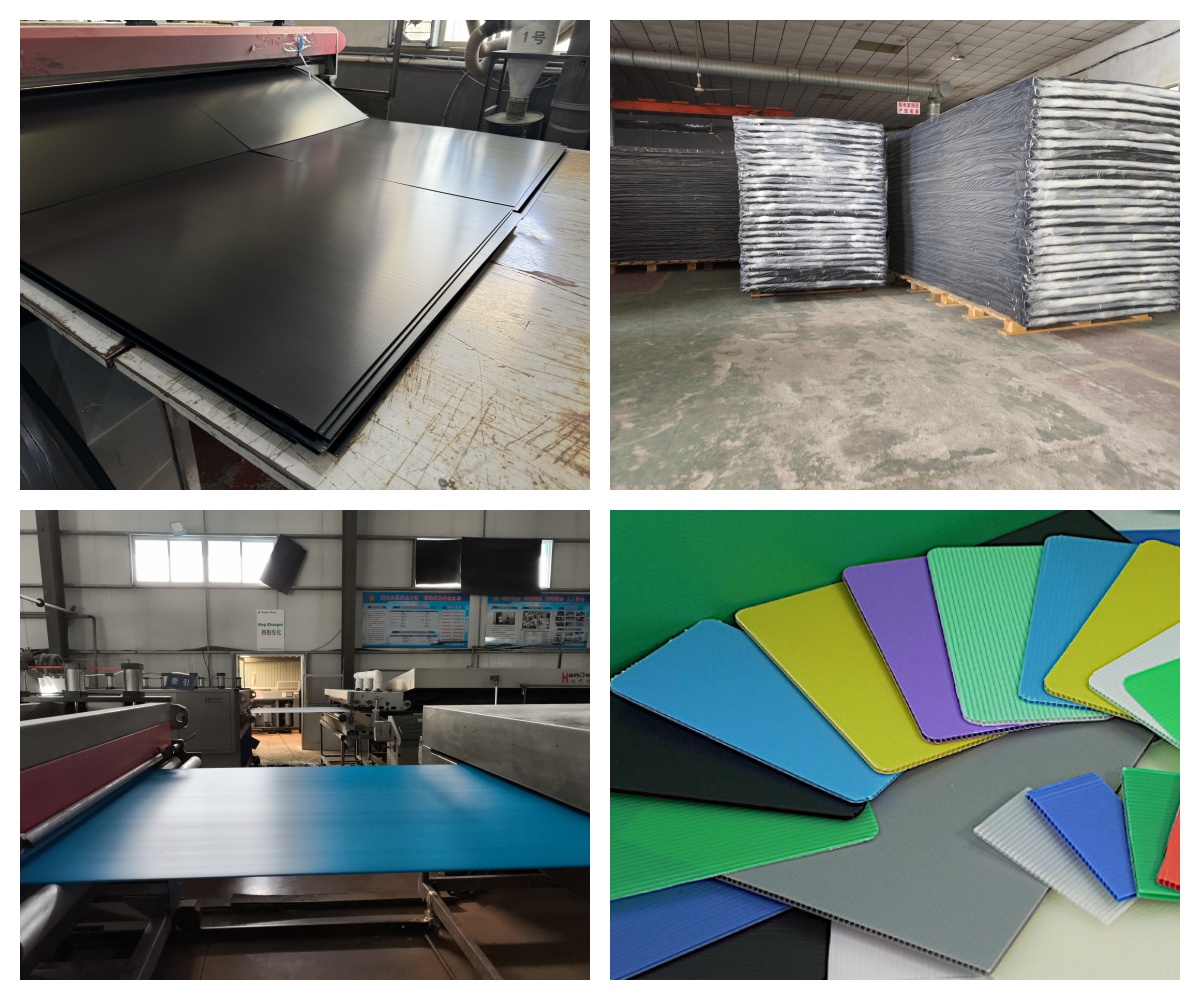
PE sheets are made from polyethylene, a material available in different grades, including HDPE and LDPE. HDPE sheets generally offer good impact resistance, toughness, and chemical resistance, while LDPE is more flexible and softer. Depending on the grade and thickness, PE sheets can be used for protective liners, containers, agricultural products, and various industrial applications. Unlike PP corrugated sheets, conventional solid PE sheets do not have a hollow fluted structure, although their weight and flexibility vary according to their composition and design.
One important difference is rigidity. PP corrugated sheets are often preferred when a lightweight board with a relatively stiff structure is needed. PE sheets, particularly flexible grades, are more suitable for applications requiring flexibility or impact absorption. However, the actual performance of both materials depends on thickness, density, grade, and product design.
Temperature resistance is another consideration. PP generally offers better heat resistance than common PE grades, although the exact operating temperature depends on the material formulation and application conditions. Both materials can be affected by prolonged exposure to ultraviolet radiation unless suitable UV stabilizers are incorporated.
When it comes to cost and customization, both materials offer advantages depending on the intended use, order quantity, and processing requirements. PP corrugated sheets are particularly suitable for customized packaging and printed boards, while PE sheets are often selected for applications requiring specific levels of flexibility, toughness, or chemical resistance.
In summary, PP corrugated sheets are a practical choice for lightweight, rigid, reusable boards and packaging products, whereas PE sheets are often preferred for flexible or impact-resistant applications. Before making a decision, consider the required strength, thickness, environmental conditions, and intended service life. Choosing the right material can improve product performance and help control overall costs.
 عربي
 Deutsch
 Français
 Italia
 Portugal
 España