










What Thickness Is Best for Corrugated Plastic Floor Protection Sheets?
2026-11-03Choosing the right thickness for corrugated plastic floor protection sheets is important for protecting floors during construction, renovation, installation, and transportation. Different projects involve different levels of foot traffic, equipment movement, and potential impact. Selecting an appropriate thickness helps provide reliable surface protection while keeping material costs under control. Corrugated plastic sheets are commonly made from polypropylene (PP) and feature a twin-wall structure that combines lightweight construction with good rigidity and impact resistance.
Corrugated plastic floor protection sheets are available in several thickness options, with 2mm, 2.5mm, and 3mm being common choices. Each thickness has different characteristics and is suitable for specific applications. Understanding these differences can help contractors, builders, and distributors select the most suitable protection material for their projects.
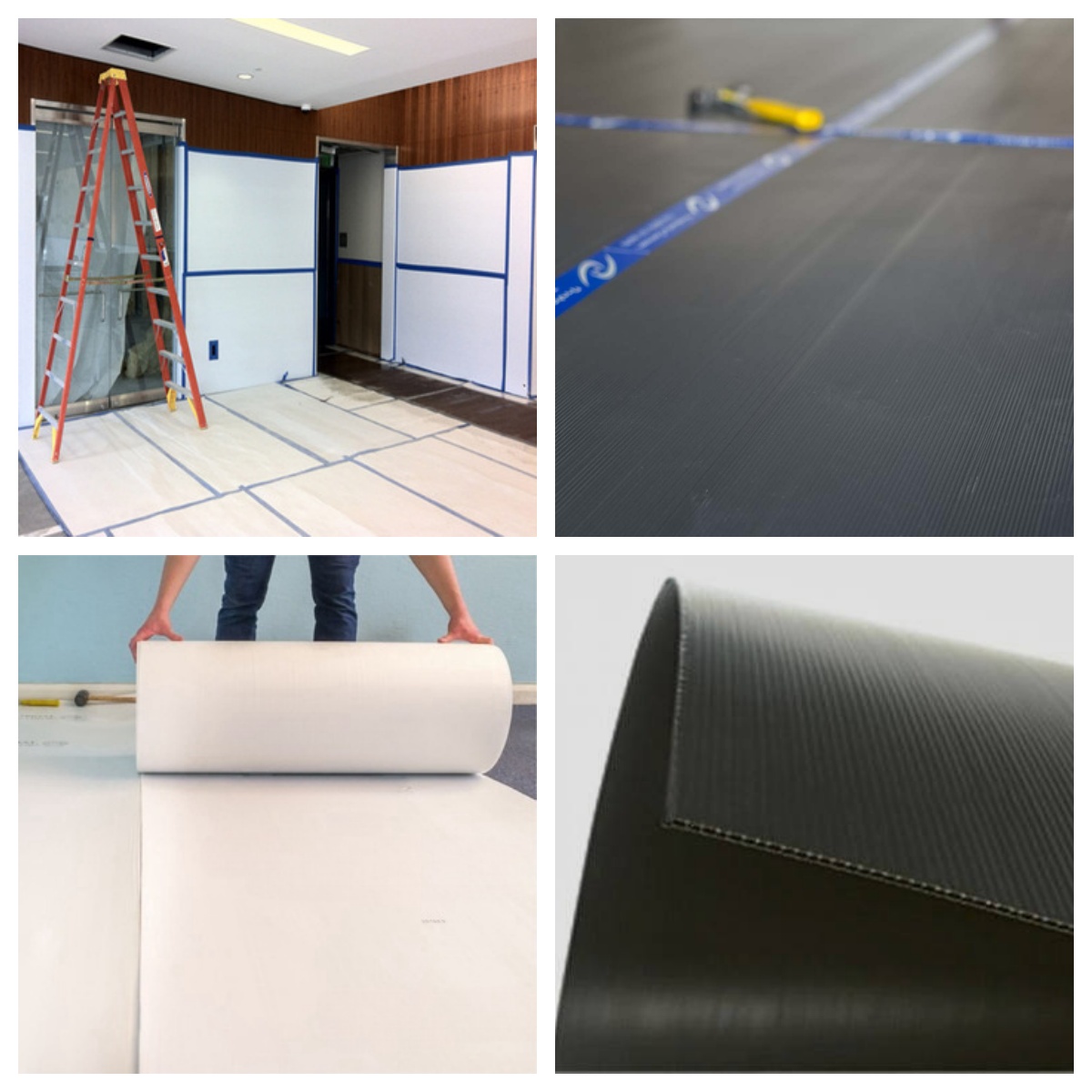
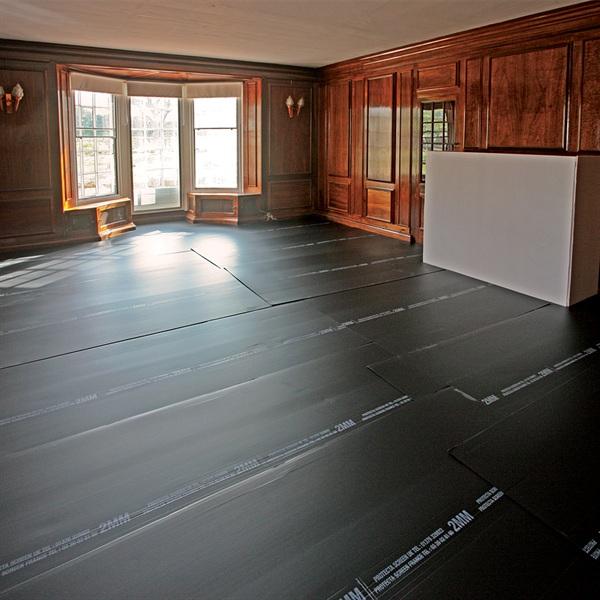
2mm corrugated plastic protection sheets are generally suitable for light-duty applications. They can be used to cover floors, walls, doors, windows, and other finished surfaces during interior decoration and renovation. Their lightweight design makes them easy to carry, cut, and install. They are particularly useful when the main purpose is to prevent dust, paint splashes, minor scratches, and everyday construction debris from directly contacting finished surfaces. For projects with limited foot traffic and minimal equipment movement, 2mm sheets can provide a practical and economical solution.
2.5mm corrugated plastic sheets offer a balance between flexibility and rigidity. Compared with thinner sheets, they provide a more substantial protective layer and are suitable for renovation projects involving regular worker movement and material handling. They can be used in residential, commercial, and industrial buildings where floors need additional protection during installation or maintenance. This thickness is a practical option for customers who require more rigidity without significantly increasing material weight.
For projects requiring stronger temporary protection, 3mm corrugated plastic floor protection sheets are a popular choice. Their thicker structure provides better rigidity and helps resist deformation during normal jobsite activities. They are suitable for areas with frequent foot traffic, furniture installation, and general construction work. With an appropriate GSM weight, 3mm sheets can offer a durable protective layer for different flooring materials, including tiles, laminate flooring, and other finished surfaces.
However, thickness is not the only factor that determines the performance of corrugated plastic protection sheets. GSM, or grams per square meter, is equally important because it indicates the material weight per unit area. Two sheets with the same thickness may have different rigidity and impact resistance depending on their GSM, polypropylene formulation, and flute structure. Therefore, buyers should consider both thickness and GSM when comparing different products.
The type of flooring, working environment, and expected load should also be considered before selecting a suitable specification. For example, protecting a newly installed floor from light dust and occasional foot traffic requires a different solution from protecting surfaces in areas where heavy materials or equipment are frequently moved. For applications involving concentrated loads or heavy machinery, corrugated plastic sheets alone may not provide sufficient protection. Additional protective materials or suitable load-distribution boards may be necessary.
At Mantis, we offer polypropylene corrugated plastic protection sheets in different thicknesses, weights, and customized sizes to meet various construction and renovation requirements. Common specifications include 2mm, 2.5mm, and 3mm sheets, with options for custom colors and dimensions. Selecting the right combination of thickness and GSM can help improve protection performance, reduce material waste, and provide a more cost-effective solution for temporary floor protection.
 عربي
 Deutsch
 Français
 Italia
 Portugal
 España