










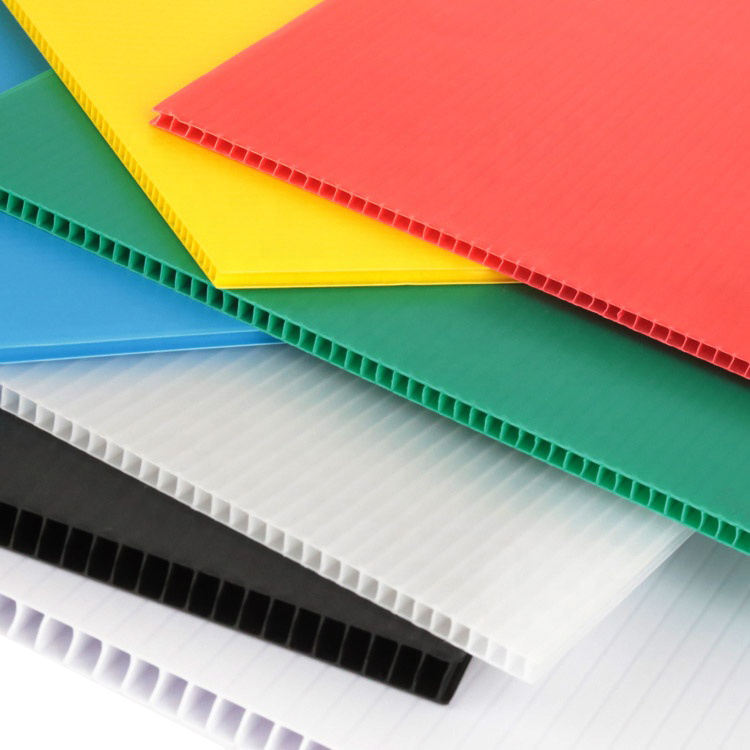
How Heat Bending Affects the Shape of Corrugated Plastic Sheets
2026-11-09Corrugated plastic sheets, also known as PP hollow sheets, are widely used in packaging, advertising, construction, agriculture, and industrial applications. Their lightweight structure, moisture resistance, and good impact resistance make them suitable for a variety of products. In many projects, flat sheets need to be shaped into boxes, dividers, protective covers, or customized components. Heat bending is one of the processing methods used to change the shape of corrugated plastic sheets. Understanding how this process works can help manufacturers achieve better forming results and maintain product quality.
Heat bending involves applying controlled heat to a specific area of a polypropylene corrugated sheet to make the material more flexible. Once the heated section reaches a suitable forming temperature, it can be bent into the required angle or shape. After cooling, the material gradually becomes rigid again and maintains its new form. Compared with cold bending, heat bending can help create more defined angles and reduce excessive stress in certain applications. However, the final result depends on several factors, including temperature, heating time, sheet thickness, and the direction of the corrugated flutes.
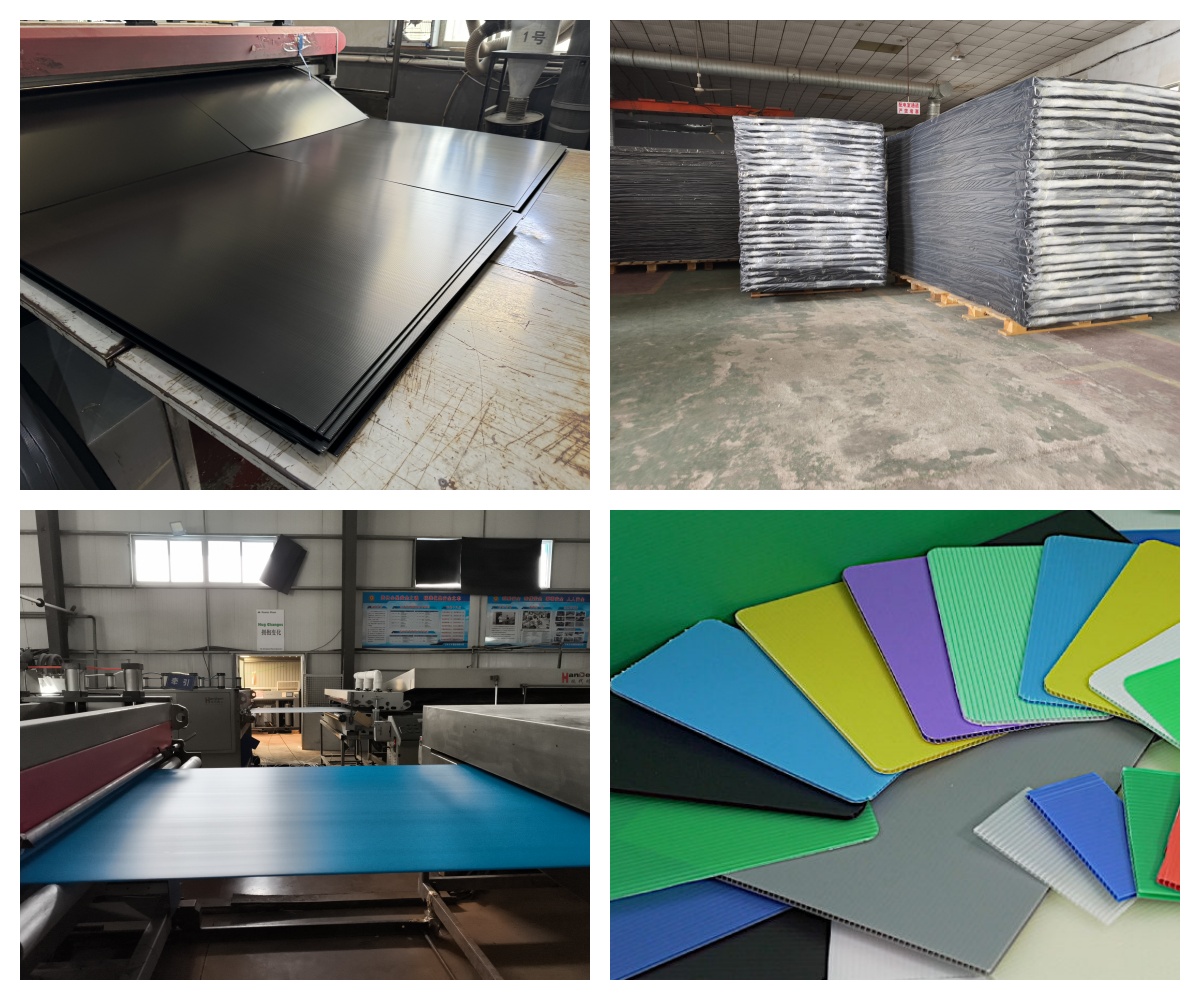
One important factor affecting the bending result is temperature control. If the temperature is too low, the sheet may not become flexible enough, making it difficult to achieve the desired angle. Excessive heat, on the other hand, may cause surface deformation, discoloration, or damage to the internal flute structure. Uneven heating can also result in inconsistent bending, with one section becoming softer than another. Therefore, appropriate heating equipment and consistent temperature control are important for achieving a smooth and uniform finish.
The thickness and grammage of corrugated plastic sheets also influence the heat bending process. Thinner sheets generally require less heat and can be easier to shape, while thicker and heavier sheets may need more controlled heating to achieve the desired bending effect. The internal hollow structure also needs attention. Excessive pressure during bending may cause the flutes to collapse, affecting the sheet's appearance and structural strength. For this reason, suitable forming tools and bending methods should be selected according to the material specifications.
Another important consideration is flute direction. Corrugated plastic sheets have parallel internal channels, and their orientation can influence how the sheet behaves during bending. Bending across or along the flute direction may produce different results in terms of flexibility, surface appearance, and structural stability. Before starting mass production, it is advisable to test the bending direction and forming conditions using sample sheets.
Heat bending is commonly used to manufacture customized packaging boxes, protective sleeves, display structures, and other plastic components. It allows flat PP corrugated sheets to be transformed into functional three-dimensional products while maintaining their lightweight characteristics. For manufacturers, this processing method also provides greater flexibility in product design and customization.
At Mantis, we manufacture PP corrugated plastic sheets in thicknesses ranging from 2mm to 12mm, with various grammages, colors, and customized dimensions available. Different material specifications may require different processing conditions. By selecting suitable sheet specifications and testing the forming process in advance, customers can achieve more consistent bending results for their projects.
 عربي
 Deutsch
 Français
 Italia
 Portugal
 España