










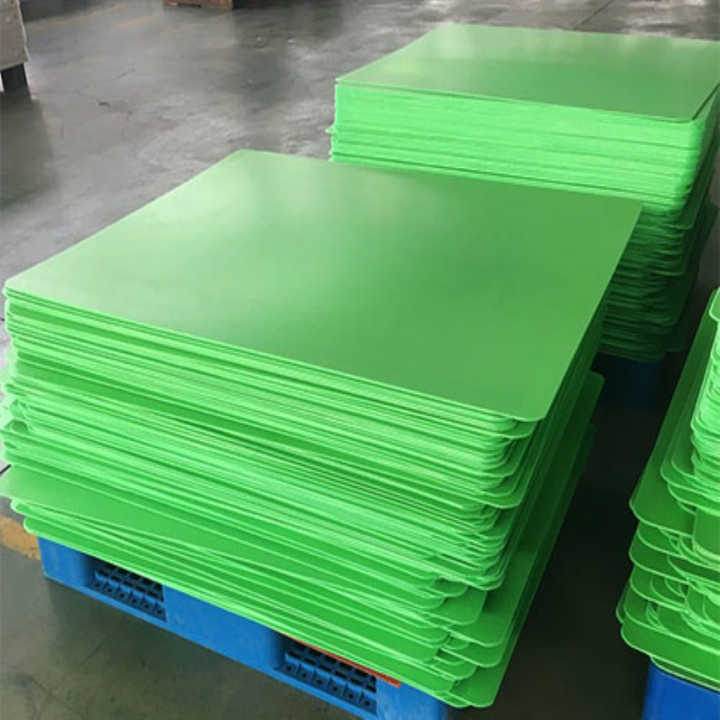
Why Edge Sealing Matters for Certain Corrugated Plastic Sheet Applications
2026-11-11PP corrugated plastic sheets are widely used in industrial packaging, transportation, agriculture, construction, and various commercial applications. Their lightweight structure, flexibility, and reusable properties make them a practical material for manufacturing different products. However, when corrugated plastic sheets are cut into specific sizes or fabricated into custom components, the exposed edges may require additional attention. Edge sealing is one of the processing options that can help improve the functionality and suitability of corrugated plastic products for certain applications.
Unlike solid plastic boards, corrugated plastic sheets feature a twin-wall or multi-wall structure with hollow channels running between the surface layers. When the sheets are cut, these internal channels become exposed along the edges. Depending on the intended application, open edges may allow dust, dirt, moisture, or other small particles to enter the internal structure. This may affect product cleanliness and make certain products more difficult to maintain, particularly in environments with strict hygiene or cleanliness requirements.
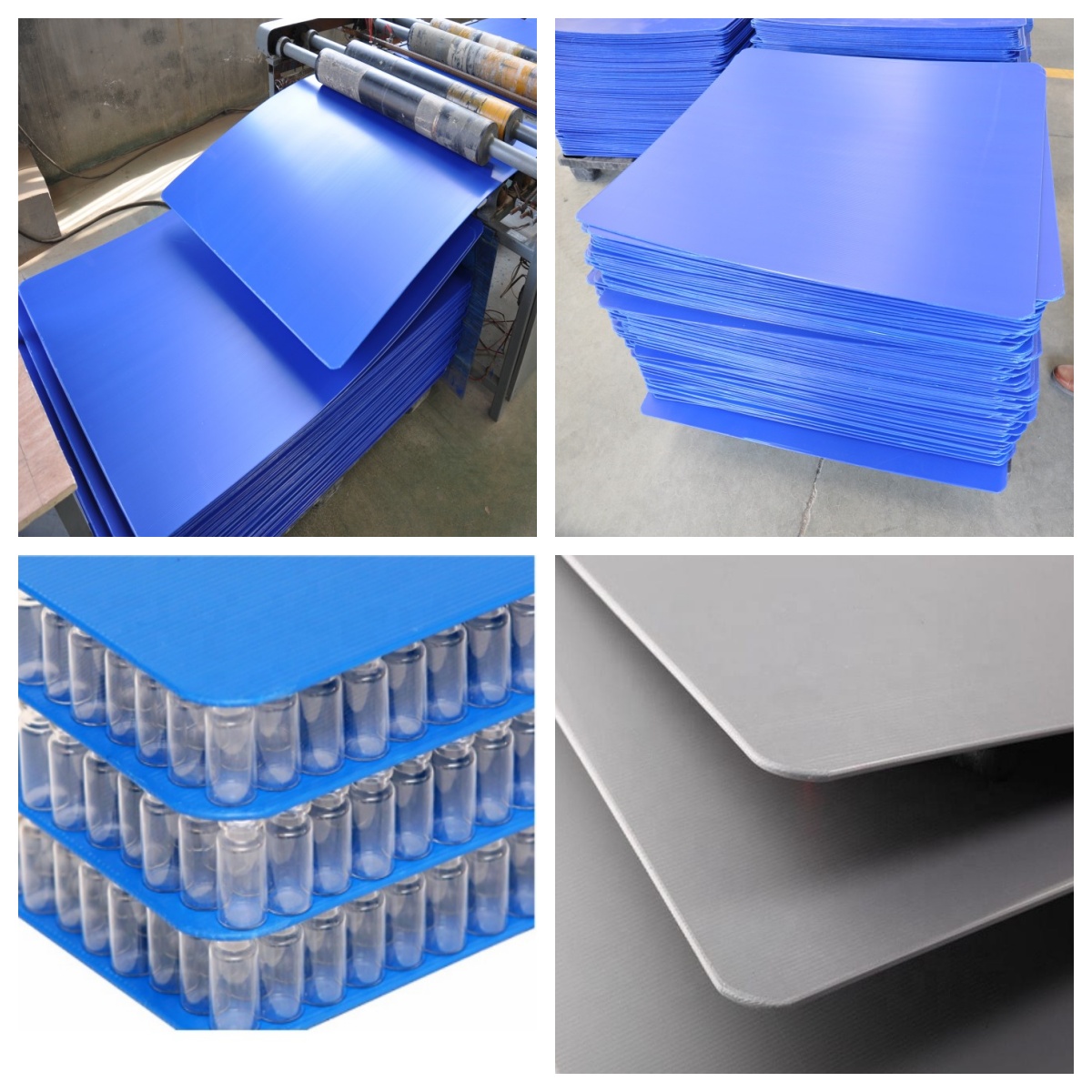
Edge sealing helps close these exposed openings and provides additional protection for the internal flute structure. For applications involving repeated handling, transportation, or exposure to outdoor conditions, sealed edges can help reduce the accumulation of unwanted materials inside the channels. This is particularly useful for reusable packaging components, agricultural containers, and protective boards that need to maintain a clean appearance during regular use.
Another important consideration is product appearance and finishing quality. For custom-made corrugated plastic products, such as storage boxes, dividers, trays, and display components, properly finished edges can create a cleaner and more professional appearance. Edge sealing may also help products better meet specific customer requirements, especially when the edges remain visible in the final application.
In addition, edge sealing can be considered when designing corrugated plastic products for specialized industrial environments. For example, certain applications in food-related packaging, medical product transportation, and electronic component handling may require additional attention to cleanliness and contamination control. Although edge sealing alone does not make a product waterproof, dustproof, or suitable for direct food contact, it can be part of a more comprehensive product design to address specific environmental requirements.
Not every corrugated plastic sheet application requires sealed edges. For general-purpose packaging, temporary protection, and applications where internal flutes are not exposed to demanding conditions, standard open-edge sheets may be sufficient. Adding an edge-sealing process can increase manufacturing complexity and production costs. Therefore, it is important to evaluate the actual working environment, expected service life, cleaning requirements, and budget before deciding whether this additional process is necessary.
At Mantis, we understand that different applications require different product configurations. Our PP corrugated plastic sheets are available in various thicknesses, weights, sizes, and colors, with additional fabrication options to meet specific project requirements. Whether you need standard corrugated sheets or customized products with sealed edges, we can discuss suitable processing solutions based on your intended application.
Choosing the right edge treatment is not simply a matter of appearance. It is about ensuring that the finished product is better aligned with its actual working conditions. By considering edge sealing during the product design stage, buyers can make more informed decisions and develop corrugated plastic solutions that meet their functional and quality expectations.
 عربي
 Deutsch
 Français
 Italia
 Portugal
 España