










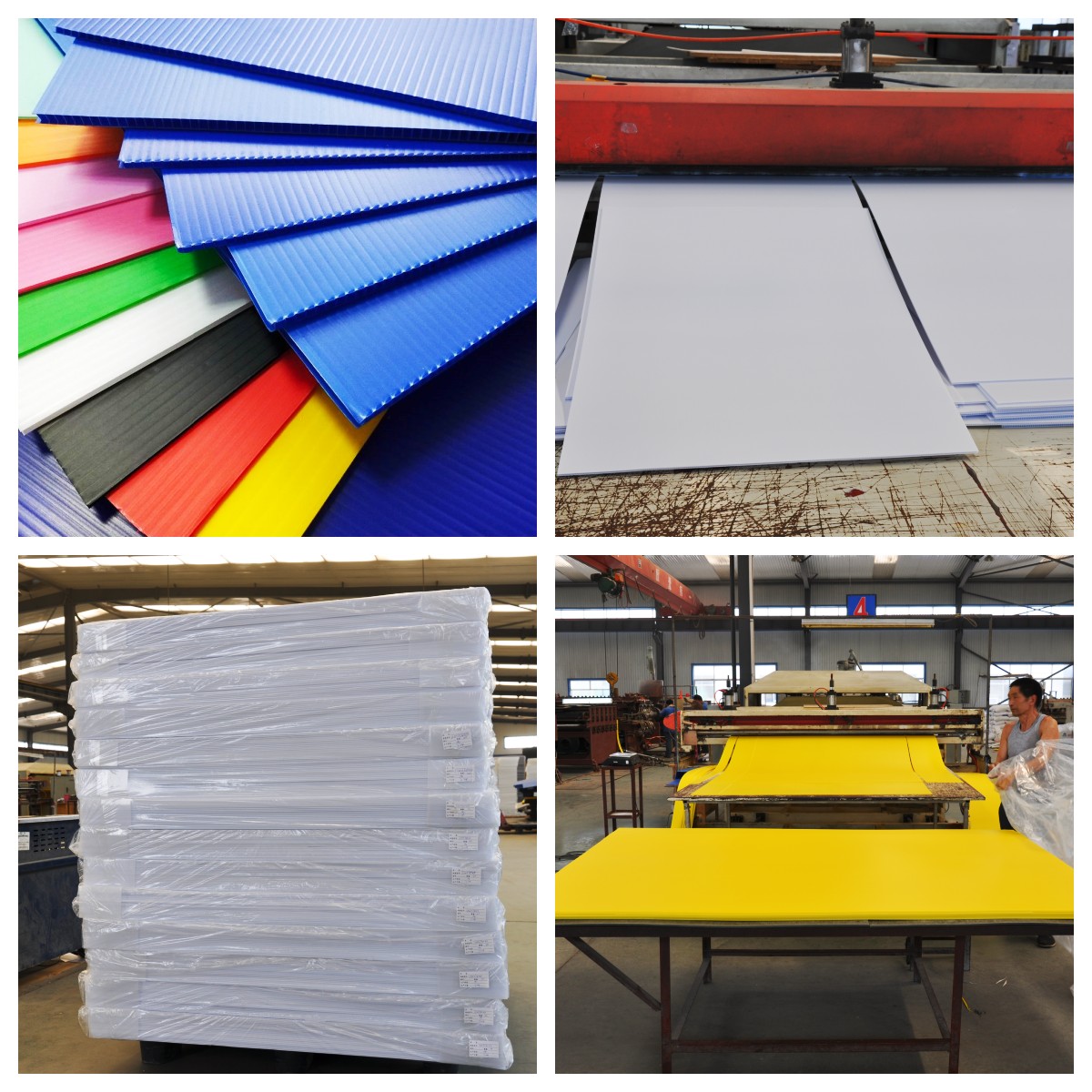
What Makes Corrugated Plastic Sheets Lightweight Yet Strong?
2026-11-26Corrugated plastic sheets are widely used in packaging, construction, advertising, agriculture, and industrial applications. One of their most notable advantages is their ability to combine a lightweight structure with good strength and durability. Compared with many traditional solid plastic boards, corrugated plastic sheets are easier to handle, transport, cut, and process while still providing reliable support and protection. But what makes these sheets lightweight yet strong?
The secret lies in their unique hollow structure. Corrugated plastic sheets are typically manufactured from polypropylene (PP) resin, with two flat outer walls connected by internal vertical ribs. These ribs create a series of hollow channels, also known as flutes, throughout the sheet. This structural design reduces the amount of raw material required without sacrificing overall rigidity. As a result, corrugated plastic sheets are significantly lighter than solid plastic panels of comparable dimensions and can be used in applications where weight reduction is important.
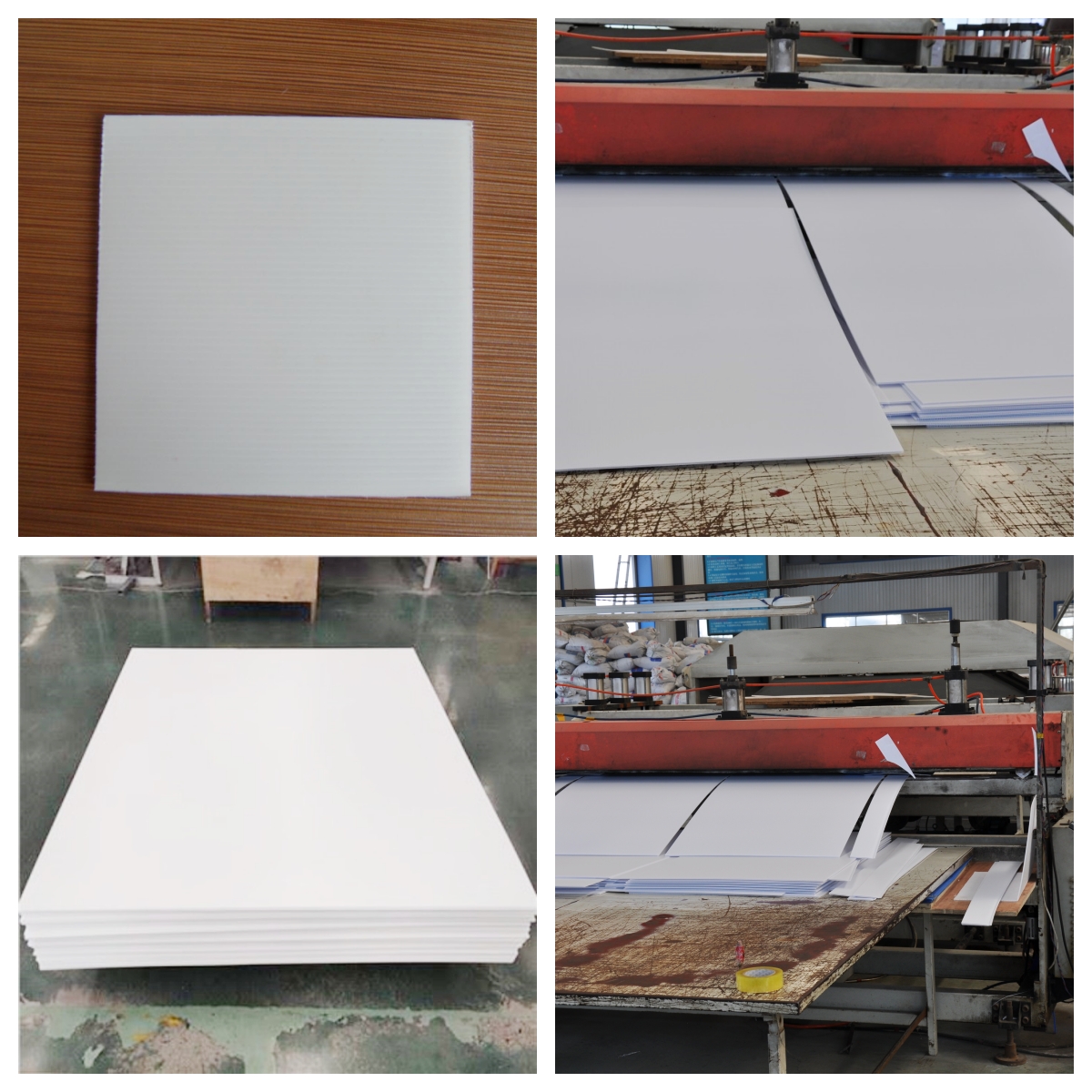
The internal flute structure also plays an important role in providing mechanical strength. The vertical ribs support the outer surfaces and help the sheet maintain its shape under pressure. When a load is applied, the structure distributes the force across the sheet rather than concentrating it on a single point. This helps improve stiffness and resistance to bending. However, the actual load-bearing capacity depends on several factors, including flute direction, sheet thickness, material weight, and the type of load applied.
The choice of polypropylene material is another important reason for the excellent performance of corrugated plastic sheets. PP is known for its good impact resistance, flexibility, and chemical resistance. Unlike some brittle materials, polypropylene can absorb a certain amount of impact without cracking easily. It also offers good moisture resistance, making corrugated plastic sheets suitable for packaging and protective applications in different environments. In addition, PP sheets can be reused and recycled, providing a practical alternative to some disposable packaging materials.
Thickness and weight are also key factors affecting the strength of corrugated plastic sheets. Generally, thicker sheets with higher material weight provide greater stiffness and durability. For example, lightweight sheets may be suitable for temporary signs and simple packaging, while heavier options are often preferred for industrial packaging, reusable boxes, and protective dividers. Choosing the right combination of thickness and weight is essential to achieving the required performance without adding unnecessary material costs.
Manufacturing quality also influences the final product. Consistent wall thickness, uniform flute distribution, and proper extrusion conditions help ensure stable sheet performance. Additional treatments, such as UV stabilization, anti-static additives, or flame-retardant formulations, can further adapt the material to specific applications.
At Jinan Mantis Company Ltd, we manufacture PP corrugated plastic sheets in various thicknesses, weights, colors, and customized specifications. With professional production capabilities, we can help customers select suitable materials for packaging, transportation, construction protection, and other industrial uses.
The combination of a hollow structural design, durable polypropylene material, and flexible customization makes corrugated plastic sheets a practical solution for businesses that need lightweight materials without compromising everyday strength and performance.
 عربي
 Deutsch
 Français
 Italia
 Portugal
 España