










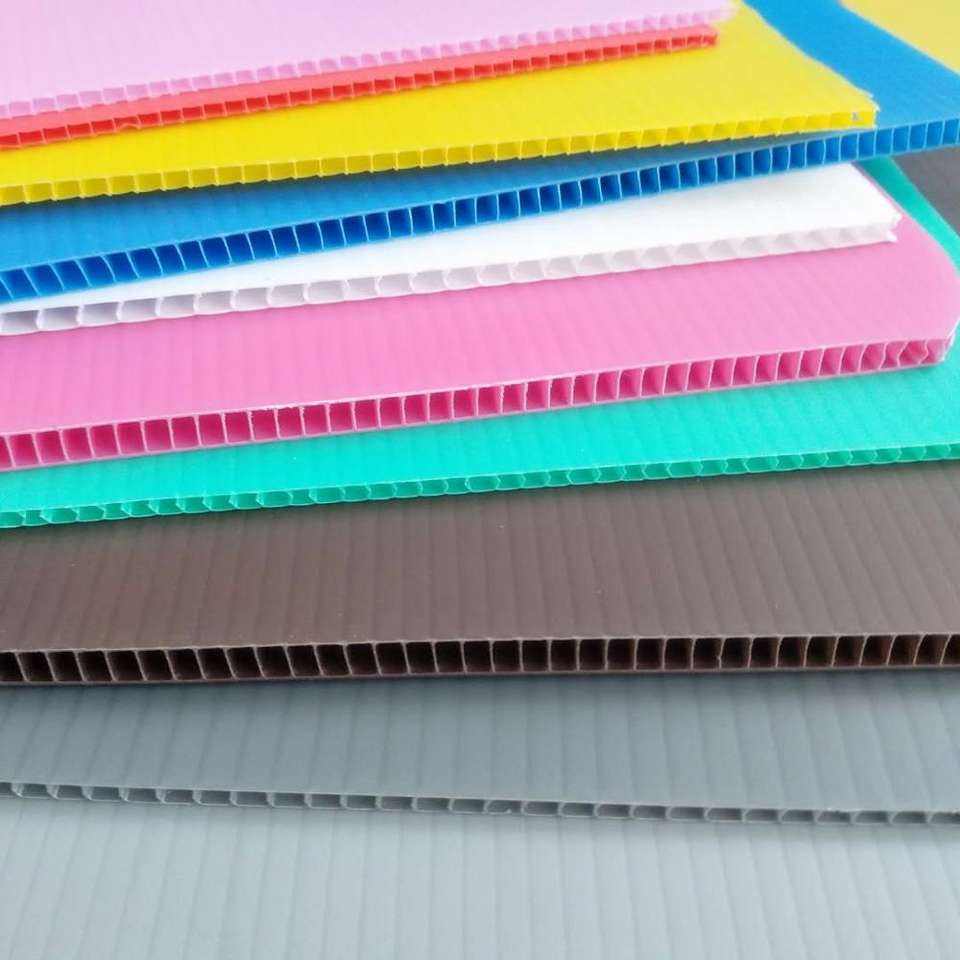
What Criteria Should Be Used When Choosing Corrugated Plastic Sheets?
2026-03-05Corrugated plastic sheets, also known as pp hollow sheets, are widely used in packaging, construction, advertising, agriculture, and logistics. Their lightweight structure, strength, and versatility make them ideal alternatives to traditional materials such as wood, cardboard, and metal. However, with so many options available on the market, choosing the right corrugated sheet requires careful consideration of several key parameters. Below are the main criteria to consider when selecting the most suitable corrugated sheet for your application.
1. Material Quality
Polypropylene (PP) is the most commonly used material for corrugated sheets. High-quality PP offers excellent strength, flexibility, and impact resistance. When selecting sheets, it is important to consider whether virgin or recycled PP is used. Virgin PP provides superior strength, more consistent performance, and a longer service life, making it ideal for demanding or long-term applications.
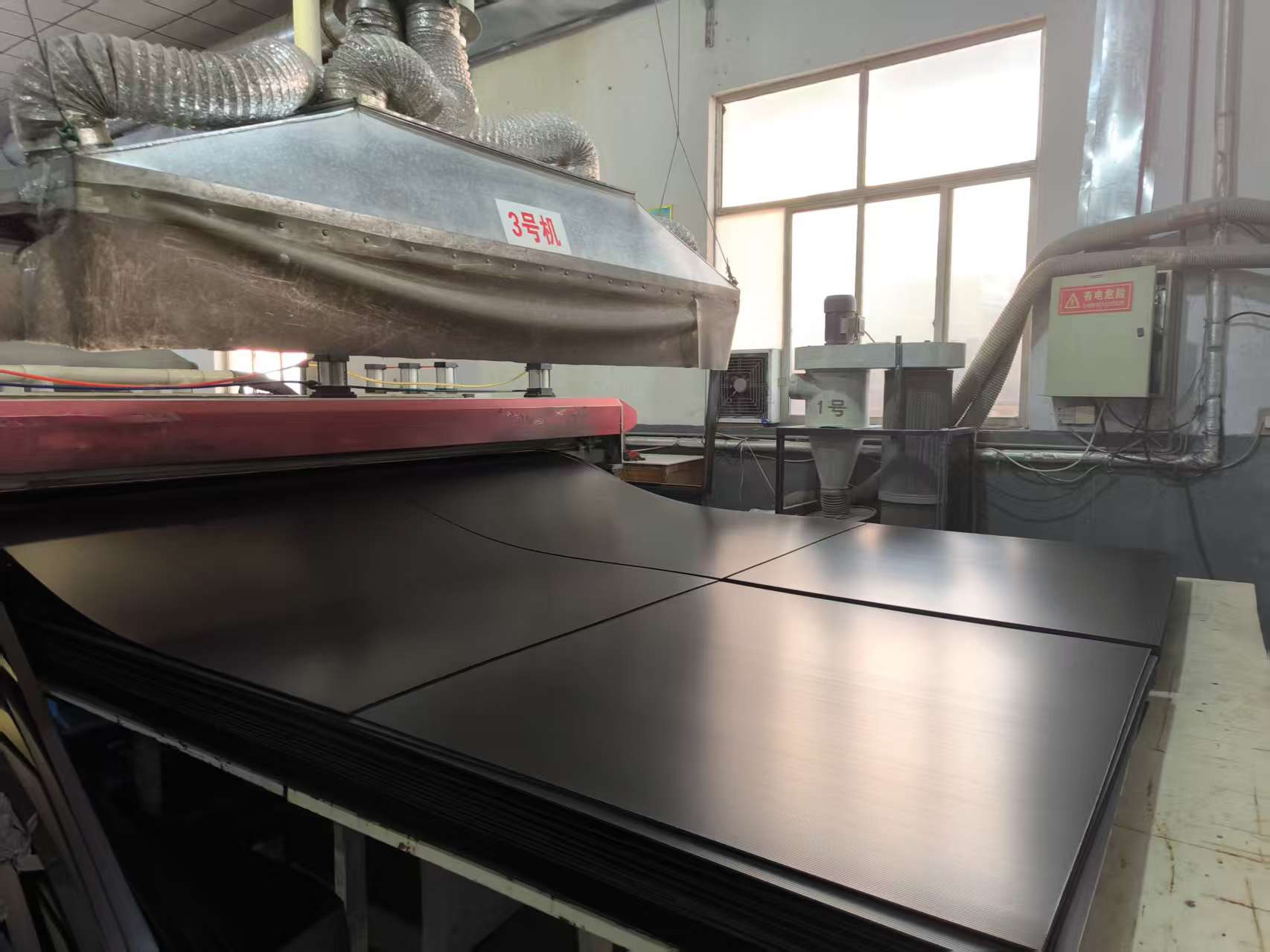
2. Thickness and Structure
Thickness is one of the most important characteristics to consider. Corrugated plastic sheets are available in a wide range of thicknesses, typically from 2 mm to 12 mm. Thicker sheets generally offer greater rigidity and load-bearing capacity, while thinner sheets are lighter and more flexible. The internal corrugation structure also influences strength and stiffness. Therefore, the sheet should be selected based on the required balance between weight and strength.
3. Weight (GSM)
The weight per square meter (GSM) directly reflects the material’s density and strength. Two sheets with the same thickness may have different GSM values, resulting in variations in durability and performance. A higher g/m² generally indicates better impact resistance and a longer service life, which is particularly important for reusable packaging, pallets, and protective applications.
4. Mechanical Properties
Depending on the application, properties such as impact resistance, flexural strength, and compressive strength can be critical. For example, packaging and logistics applications require strong load-bearing capacity, while protective panels or partitions demand higher impact resistance. Understanding the mechanical requirements of the project helps ensure the selected corrugated sheet performs reliably under real-world conditions.
5. Environmental Resistance
Corrugated sheets are often used outdoors or in semi-open environments. Therefore, resistance to moisture, chemicals, and UV radiation is an important selection criterion. UV-stabilized sheets are recommended for outdoor use, as they resist aging, discoloration, and embrittlement caused by prolonged exposure to sunlight.
6. Surface and Color Options
Surface texture and color consistency are crucial for branding, advertising, and product presentation. Corrugated plastic sheets can be produced with either smooth or textured surfaces and are available in a wide variety of colors. For printing or signage applications, good surface smoothness and consistent color quality are essential to achieve the best visual results.
7. Customization Capability
A reliable supplier should offer a wide range of customization options, including size, thickness, color, die-cutting, and printing. Choosing corrugated plastic sheets that can be precisely customized to your specifications helps maximize efficiency, reduce material waste, and ensure optimal performance for your specific application.
 عربي
عربي Deutsch
 Français
 Italia
 Portugal
 España