










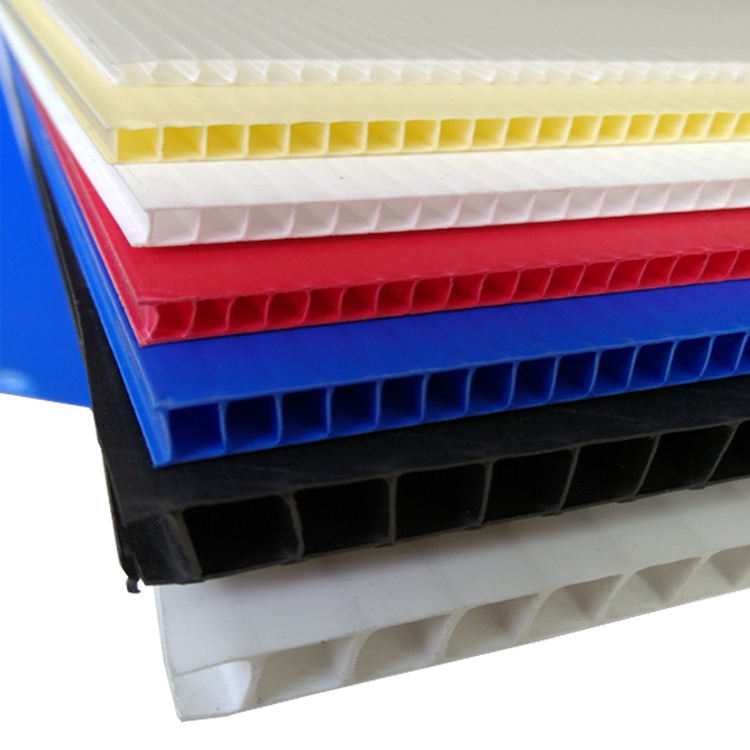
Plastic Hollow Sheets: Standard Specifications, Sizes, and Technical Requirements
2026-04-08Plastic hollow sheets, also known as polypropylene hollow sheets, are widely used across various industries due to their lightweight structure, strength, and flexibility. To meet a wide range of application requirements, these sheets are available in various standard specifications, covering factors such as thickness, weight, dimensions, color, and surface finish. Understanding these general specification requirements helps buyers select the most suitable product for their specific applications.
Material thickness is one of the most important factors when choosing plastic hollow sheets. The most common thickness ranges from 2 mm to 12 mm. Thin sheets, typically in the range of 2 mm to 3 mm, are commonly used for signage, advertising boards, and light packaging. Medium-thickness sheets (approximately 4 mm to 6 mm) are widely used in the production of boxes, layer pads, and general protection applications. Thicker sheets (such as 8 mm to 12 mm) are ideal for heavy-duty applications, including construction site protection, reusable packaging, and industrial uses where higher strength and impact resistance are required.
Basis weight, often measured in gsm (grams per square meter), is another key parameter that significantly affects the strength and durability of the sheets. Common weight ranges vary from 300 gsm to over 2000 gsm, depending on the thickness and structure. Sheets with higher gsm offer better load-bearing capacity and a longer service life, making them suitable for heavy-duty and reusable applications. Sheets with lower gsm are more cost-effective and are ideal for short-term or lightweight uses.
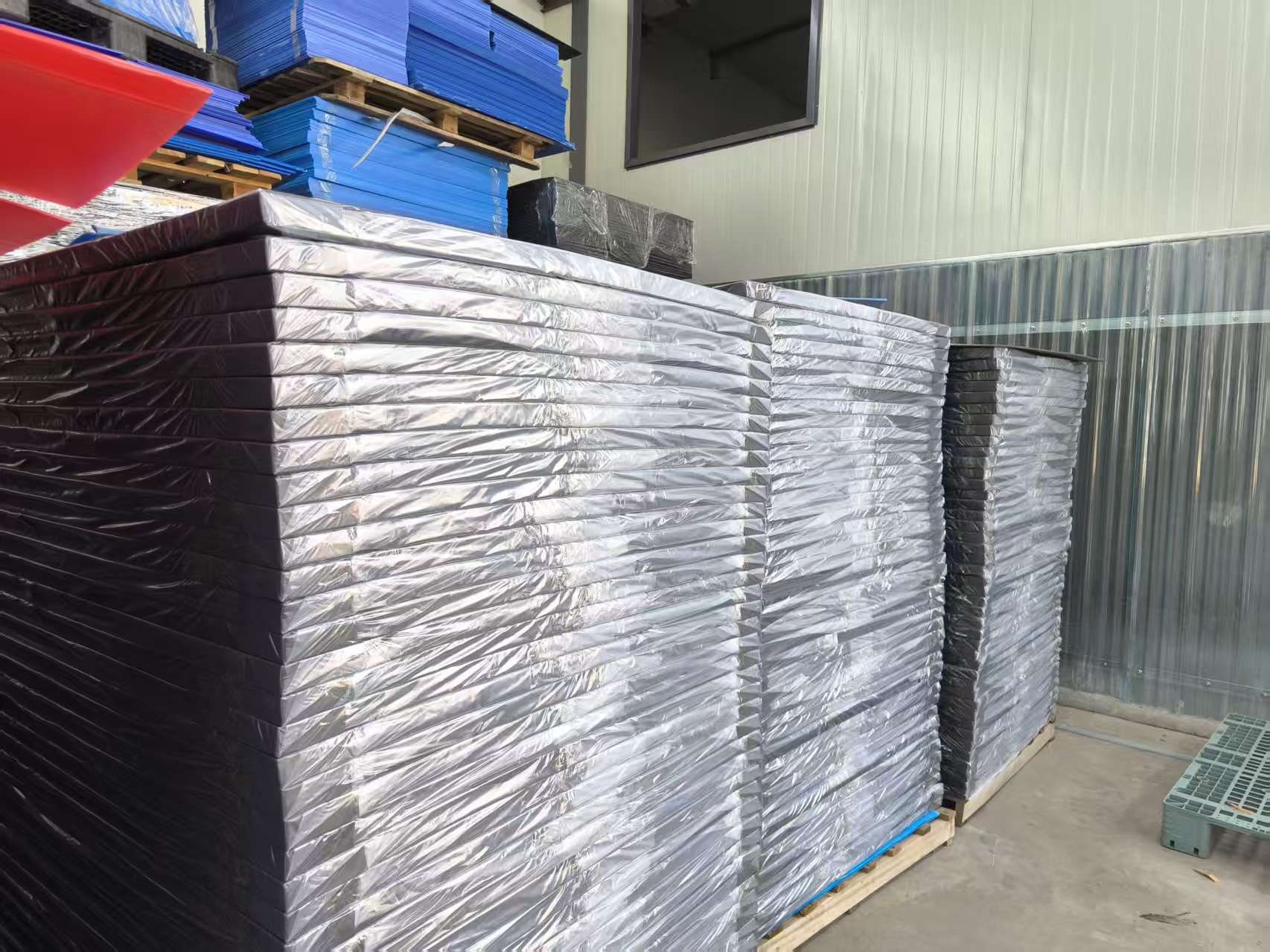
Standard sizes of plastic hollow sheets may vary depending on production capabilities and market requirements. Common sheet sizes include 1220 × 2440 mm (4’ × 8’), 1000 × 2000 mm, and 1200 × 2400 mm. One of the main advantages of plastic hollow sheets is their high level of customization. Sheets can be easily cut or manufactured to meet specific size requirements, helping to reduce material waste and improve application efficiency.
Color options also play an important role, especially for branding and identification purposes. Standard colors include white, black, blue, green, and transparent. Custom colors can also be produced to match specific corporate branding requirements. In addition, colored sheets can be used to differentiate products, enhance visibility, and improve the overall appearance of applications such as signage and displays.
Surface treatments and special features further enhance the functionality of plastic hollow sheets. Common options include corona treatment to improve printability, UV protection for better outdoor durability, and anti-static treatment for electronics and sensitive equipment packaging. Flame-retardant and conductive options are also available for specialized industrial applications.
In summary, the standard specifications of plastic hollow sheets are highly flexible and can be tailored to meet the needs of various industries. By selecting the right combination of thickness, weight, dimensions, color, and surface treatment, businesses can achieve an optimal balance between performance, cost-effectiveness, and durability for their specific applications.
 عربي
عربي Deutsch
 Français
 Italia
 Portugal
 España