









Corrugated Plastic Sheets: Advantages Compared with Traditional Materials
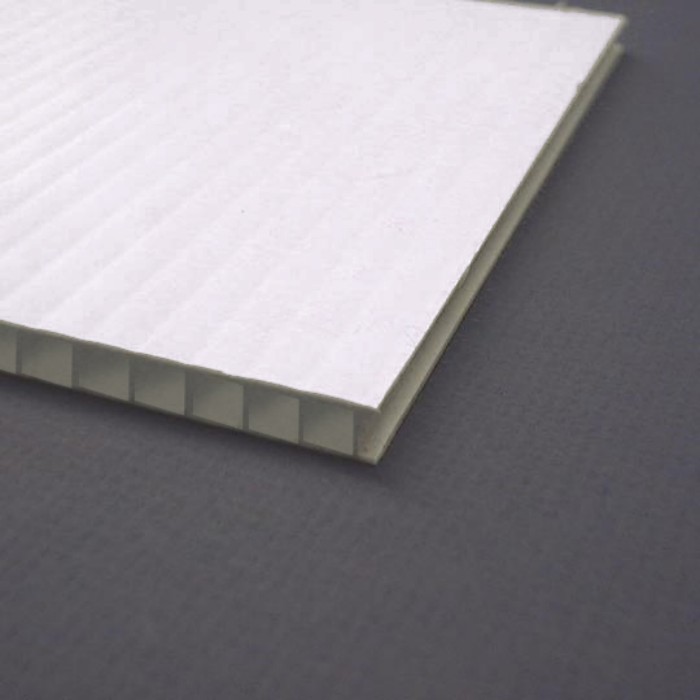
2026-04-22Corrugated plastic sheets, also known as polypropylene hollow sheets or polypropylene corrugated sheets, are innovative plastic materials widely used in packaging, logistics, construction, agriculture, and industrial applications. As the name suggests, the sheet consists of two flat outer surfaces connected by internal vertical ribs, creating a hollow structure. This design provides excellent strength while keeping the material lightweight.
The height of the internal ribs determines the sheet thickness, with common thicknesses ranging from 2 mm to 12 mm. Produced through a high-temperature extrusion process, corrugated plastic sheets can also be manufactured in a variety of vibrant colors through the addition of color masterbatch.
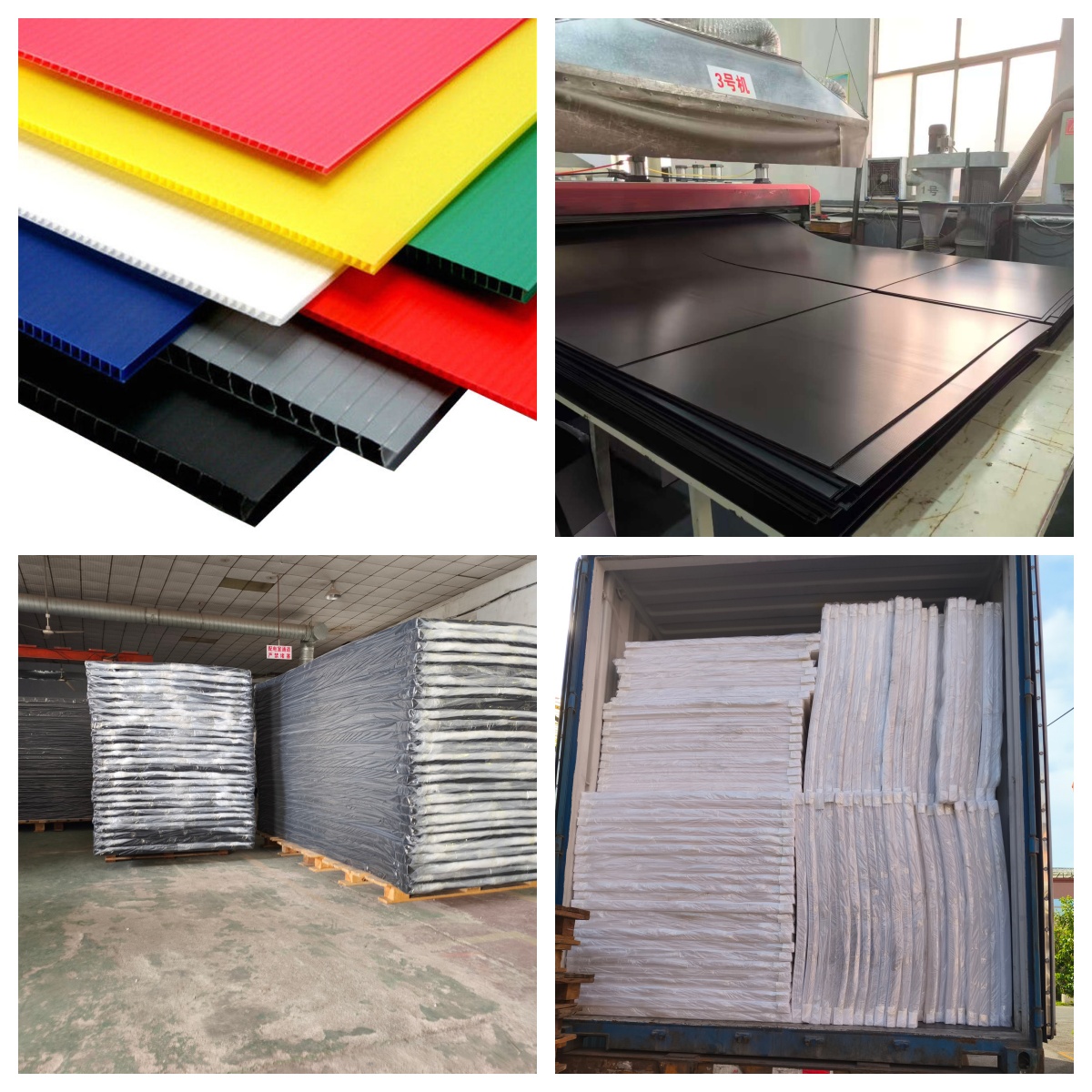
Compared with traditional materials such as cardboard, wood, and paper corrugated board, corrugated plastic sheets offer significant advantages.
Corrugated Plastic Sheets vs. Cardboard
Cardboard is highly sensitive to water and moisture. It can easily soften, warp, or rot in humid environments. In addition, cardboard offers limited shock absorption, making it less suitable for transporting fragile products such as glass bottles or liquid containers.
Although cardboard may have a lower upfront cost, it is generally designed for single use. Overall costs can increase due to product damage, frequent replacement, and waste disposal.
Corrugated plastic sheets solve these problems by offering:
- Resistance to water and moisture
- Better impact protection during transport
- Long service life with repeated use
- Recyclability that helps reduce waste
- Lower long-term packaging costs
For example, corrugated plastic bottle dividers and layer pads are widely used to protect glass bottles during storage and transportation.
Corrugated Plastic Sheets vs. Wood Panels
Wood panels are heavier, more expensive, and less flexible than corrugated plastic sheets. During packing and transportation, wooden edges and corners may damage packaged goods or surrounding materials.
Corrugated plastic sheets provide a safer and more versatile alternative. They can be produced in different sizes, thicknesses, rigidity levels, and colors according to customer requirements. Edge sealing is also available for applications requiring improved cleanliness, durability, or protection.
Advantages over wood include:
- Lightweight for easier handling
- Better flexibility and impact resistance
- Lower transportation costs
- Smooth edges that reduce product damage
- Custom manufacturing options
Corrugated Plastic Sheets vs. Corrugated Cardboard
Corrugated plastic sheets are considered a modern and eco-friendly packaging material. Unlike paper corrugated cardboard, they do not generate dust during use, making them ideal for clean environments such as food, beverage, electronics, and pharmaceutical packaging.
Their service life can be 4 to 10 times longer than traditional corrugated cardboard, and they can be recycled after use. Because of their lightweight structure, durability, and flexible sizing, corrugated plastic sheets are increasingly replacing paper corrugated board in many packaging applications.
They are also widely used to manufacture reusable shipping boxes and returnable containers, offering an efficient alternative to heavier injection-molded plastic boxes.
 عربي
عربي Deutsch
 Français
 Italia
 Portugal
 España