










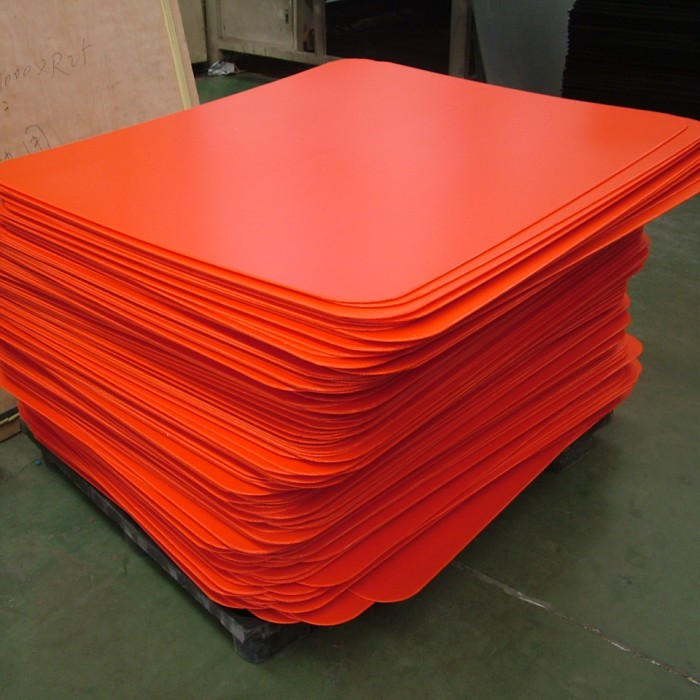
How to Choose the Right Thickness for Layer Pads
2026-04-28Choosing the right thickness for layer pads is one of the most important factors in creating safe, efficient, and cost-effective packaging. Whether you are shipping bottles, cans, cartons, food products, or industrial goods, the correct layer pad thickness helps protect products, stabilize pallet loads, and reduce damage during storage and transportation.
Corrugated plastic layer pads are widely used because they are lightweight, durable, waterproof, and reusable. However, selecting the proper thickness depends on your product type, load weight, stacking method, and logistics environment.
Thickness matters because layer pads are placed between layers of products on pallets to improve stability and provide separation. If the layer pad is too thin, it may bend or collapse under pressure. If it is too thick, it can increase packaging costs and reduce container loading efficiency. The right thickness helps support product weight evenly, prevent crushing or shifting during transit, improve pallet stack stability, reduce product breakage, lower long-term packaging costs, and enhance reusability.
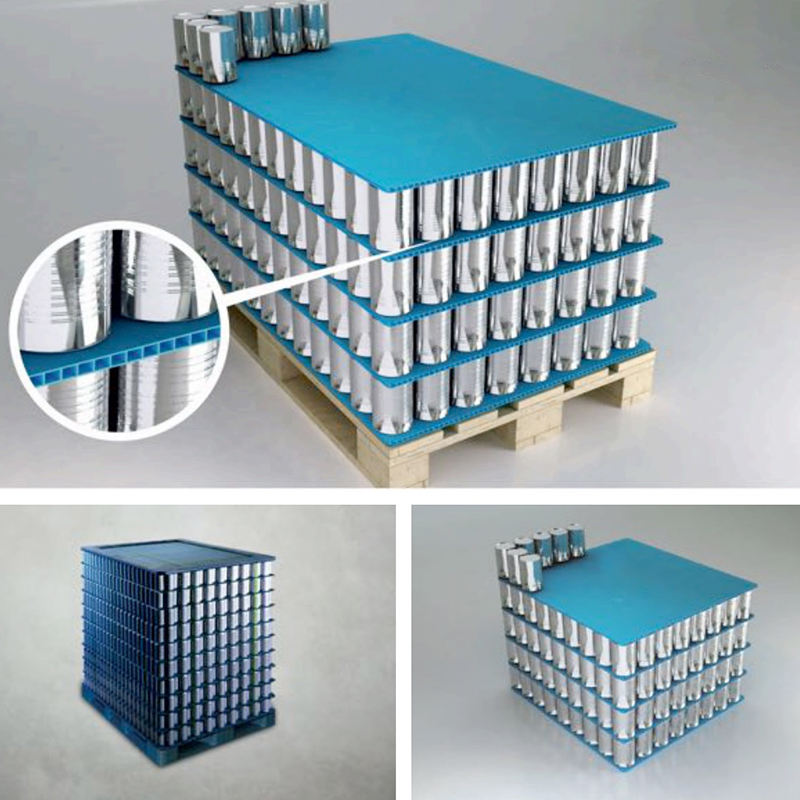
Most corrugated plastic layer pads are available in thicknesses such as 2mm, 3mm, 4mm, 5mm, and 6mm or above. A 2mm layer pad is lightweight and economical, making it suitable for light-duty applications such as cartons, snack packaging, paper products, or lightweight retail goods. A 3mm layer pad is one of the most popular options because it offers a strong balance between strength and weight, making it ideal for beverage cans, plastic bottles, consumer goods, and warehouse storage.
For heavier applications, 4mm to 5mm layer pads provide greater rigidity and impact resistance. They are often recommended for glass bottles, heavy containers, export shipments, long-distance transport, and reusable packaging systems. Layer pads with a thickness of 6mm or more are generally used in heavy-duty industrial environments where maximum strength is required, such as machinery parts, metal products, and high-load stacking conditions.
When selecting the right thickness, product weight should always be considered first. Heavier products require thicker layer pads to prevent bending or compression. Stacking height is another important factor, as pallets stored in warehouses or stacked in shipping containers need stronger support to remain stable. Transportation conditions also play a role. Long-distance shipping, rough handling, and export logistics often require more durable layer pads to reduce the risk of damage.
Reusability is another key consideration. If layer pads are expected to be used repeatedly, thicker corrugated plastic sheets generally offer better durability and a longer service life. Although thicker pads may have a higher initial cost, they often reduce replacement frequency and product losses over time, making them more economical in the long run.
As a general guide, beverage cans usually work well with 3mm pads, plastic bottles often use 2mm to 3mm, glass bottles commonly require 4mm to 5mm, and export packaging may benefit from 4mm or thicker materials. Heavy industrial goods typically require 5mm to 6mm or more depending on load conditions.
Many companies also choose custom layer pads based on pallet size, product dimensions, and specific handling requirements. Custom options can include special thicknesses, cut-to-size dimensions, anti-slip surfaces, rounded corners, and printed logos for branding.
Choosing the right thickness for layer pads is not about selecting the thickest material available. It is about matching the layer pad to your product, transport conditions, stacking needs, and budget. For light products, thinner pads may be sufficient, while heavier loads or reusable systems often benefit from thicker corrugated plastic layer pads. Working with an experienced manufacturer can help ensure you choose the most efficient and cost-effective solution for your packaging operation.
 عربي
عربي Deutsch
 Français
 Italia
 Portugal
 España