










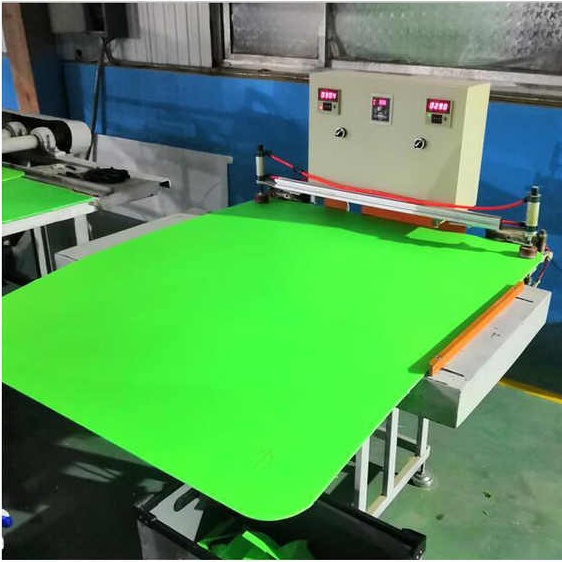
How to Choose the Right Corrugated Plastic Layer Pads
2026-04-29Selecting the right corrugated plastic dividers is a crucial step for companies looking to improve product protection, reduce transit damage, and optimize packaging efficiency. These lightweight yet durable sheets are commonly used as layer pads between bottles, cans, cartons, and other goods stacked on pallets. With many options available, the right choice depends on your products, handling processes, and transportation conditions.
The first factor to consider is size. The divider should match the dimensions of your pallet or packaged goods to ensure full support and stability. Pads that are too small can create gaps and reduce load security, while oversized pads may cause handling issues. For companies with customized pallet systems, made-to-measure dividers are often the best solution.
Thickness is another key factor. Corrugated plastic dividers are typically available in thicknesses ranging from 2 mm to 6 mm or more. Thinner options are suitable for lightweight products and short-distance transport, while thicker dividers provide greater strength for heavy loads, stacked pallets, or more demanding shipping conditions. Choosing the right thickness helps balance performance and cost.
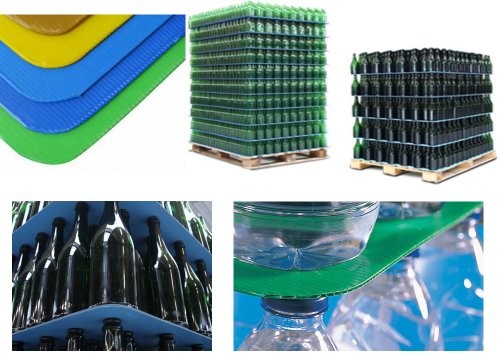
Material quality is also essential. Most corrugated plastic dividers are made from polypropylene, a material known for its excellent impact resistance, moisture resistance, and durability. High-quality material ensures the dividers maintain their shape even after repeated use, performing reliably in both storage and transport environments.
Product weight should always be considered. Heavy glass bottles, metal cans, or industrial goods require stronger dividers with higher load-bearing capacity. Lighter products such as empty containers or small cartons can typically be supported with standard options. Understanding load requirements helps prevent product damage and unnecessary costs.
If your goods are stored in cold storage, humid environments, or outdoors, moisture resistance becomes especially important. Corrugated plastic dividers are ideal in these conditions because they do not absorb water, unlike cardboard alternatives. For industries such as beverages, food, agriculture, and pharmaceuticals, this feature significantly improves packaging reliability.
Reusability is another important advantage. If your company uses returnable packaging systems or frequently ships palletized goods, durable reusable dividers can significantly reduce long-term packaging costs. Although the initial investment may be higher than disposable options, the long service life delivers better overall value.
Surface features can also play an important role depending on the application. Anti-slip surfaces help prevent product movement during transport. Rounded corners improve handling safety and reduce damage to stretch film or other packaging materials. Some companies also choose sealed edges for improved cleanliness and longer service life.
Color and printing options offer additional benefits. Different colors can help identify product categories, departments, or shipping destinations. Custom printing, such as logos, product names, or handling instructions, can also improve brand visibility and warehouse organization.
Choosing a reliable supplier is equally important. An experienced manufacturer can recommend the right thickness, material grade, and design based on your specific industry needs. They can also ensure consistent quality, customization support, and on-time delivery. Before placing a bulk order, many companies request samples to test durability, fit, stacking performance, and handling efficiency.
In conclusion, selecting the right corrugated plastic layer pads requires careful evaluation of size, thickness, load capacity, environment, and reuse requirements. By choosing the correct specifications, companies can improve product protection, streamline logistics, and reduce overall packaging costs. With the right supplier and product design, corrugated plastic layer pads become a smart long-term investment for modern packaging operations.
 عربي
عربي Deutsch
 Français
 Italia
 Portugal
 España