










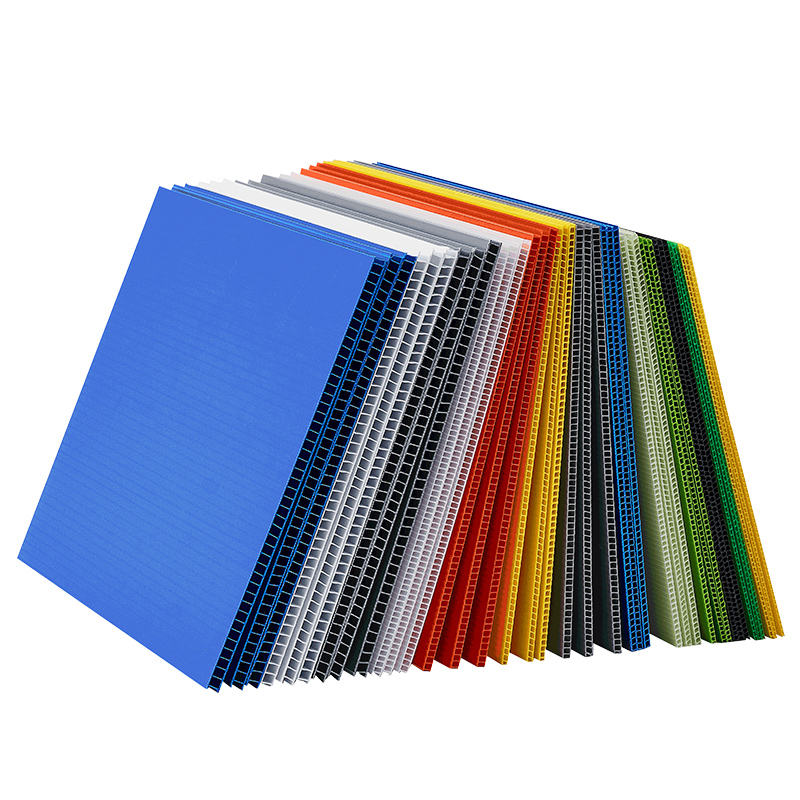
Flame-Retardant Corrugated Plastic Sheets vs. Regular PP Sheets: Key Differences Explained
2026-05-06Flame-retardant corrugated plastic sheets and regular polypropylene (PP) sheets may appear visually similar, but they differ significantly in performance, safety, and applications. Understanding these differences is essential when selecting the right material, especially in environments where fire hazards and safety compliance are critical.
Flame-retardant corrugated plastic sheets are produced by adding specialized flame-retardant additives to polypropylene during the manufacturing process. These additives enable the material to resist ignition, slow the spread of flames, and self-extinguish once the ignition source is removed. In contrast, regular PP sheets do not contain these additives and can ignite more easily when exposed to an open flame, potentially allowing fire to spread more quickly.
One of the most important differences is fire safety performance. Flame-retardant corrugated plastic sheets are designed, depending on their formulation, to meet recognized fire safety standards such as UL94 ratings (e.g., V0 or V2). This makes them suitable for use in environments with strict safety requirements. Regular PP sheets, while strong and lightweight, typically do not meet these standards and are therefore less suitable for high-risk applications.
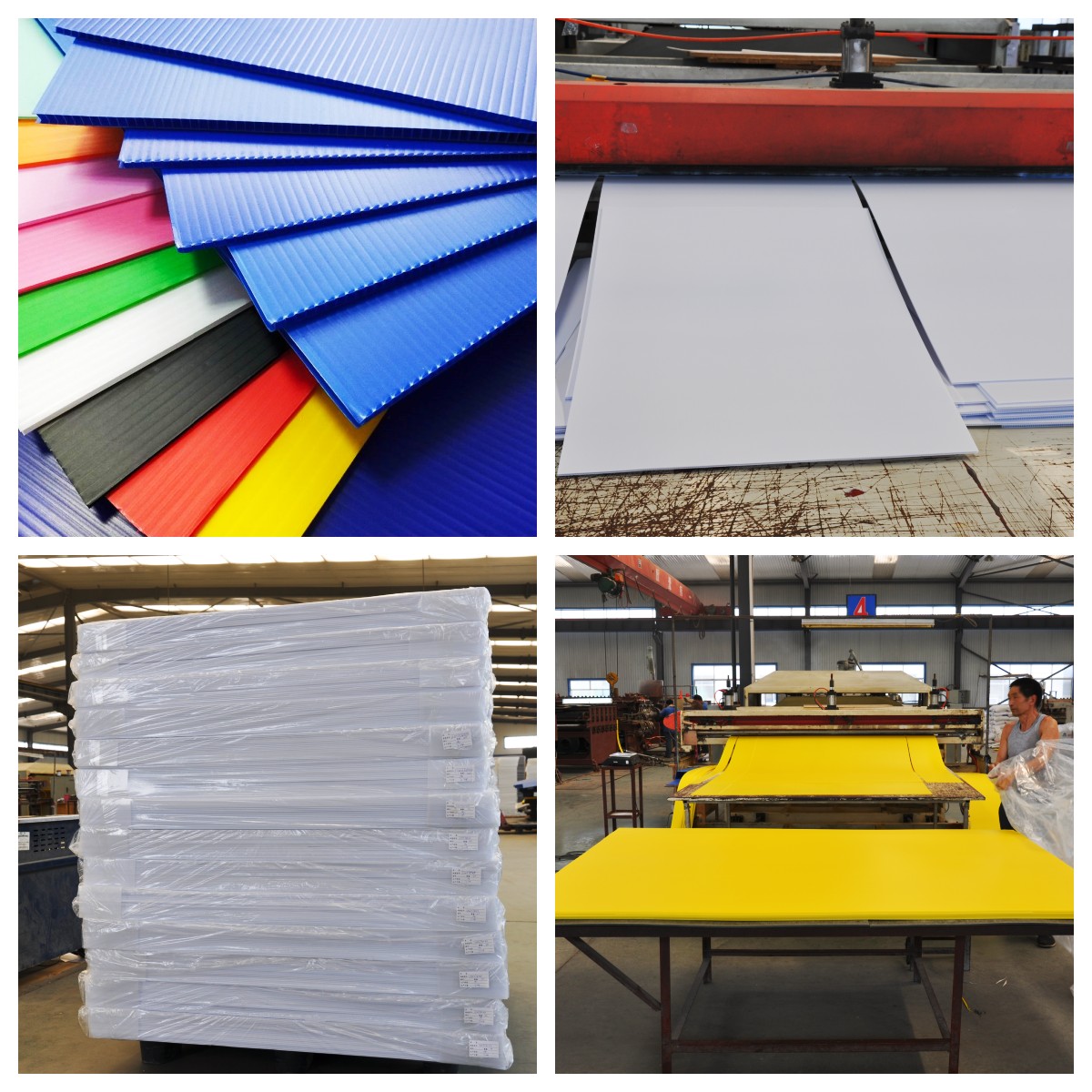
Another key difference lies in their range of applications. Flame-retardant corrugated plastic sheets are widely used in industries such as electronics manufacturing, battery production, automotive, and construction—where minimizing fire risk is a top priority. They are commonly used for packaging lithium batteries, electronic components, and other sensitive or hazardous goods. Regular PP sheets, on the other hand, are more often used in general applications such as signage, basic packaging, and agriculture, where fire resistance is not a primary concern.
In terms of durability and mechanical properties, the two materials are generally similar, as both are made from polypropylene. However, flame-retardant corrugated plastic sheets often undergo additional processing to ensure consistent performance, which can improve stability in demanding environments. Both materials offer advantages such as water resistance, chemical resistance, and recyclability.
Cost is another factor to consider. Flame-retardant corrugated plastic sheets are typically more expensive than regular PP sheets due to the added materials and manufacturing processes required to achieve fire resistance. However, in applications where fire safety is critical, the reduction in risk and potential cost savings from preventing fire-related damage often justify the higher initial cost.
From an environmental perspective, both materials can be recyclable, depending on local recycling capabilities. Flame-retardant options may require more careful handling due to the additives used, but they still support sustainability goals when designed for reuse and long service life.
In summary, while regular PP sheets are suitable for many standard applications, flame-retardant corrugated plastic sheets provide a higher level of safety and reliability in environments where fire risk cannot be ignored. The choice ultimately depends on your specific application requirements, but for industries that prioritize safety, flame-retardant materials are increasingly the preferred solution.
 عربي
عربي Deutsch
 Français
 Italia
 Portugal
 España