










How Plastic Layer Pads Improve Pallet Stability and Supply Chain Efficiency
2026-05-20In the dynamic logistics and warehousing industry, pallet stability is critical for safe, efficient, and cost-effective operations. Every year, companies lose millions of dollars due to product damage, workplace accidents, and inefficient stacking caused by unstable pallet loads. While pallets provide the foundation for freight transport, plastic layer pads—often overlooked—play a vital role in improving stability, reducing risks, and optimizing supply chain performance. Compared with alternatives such as cardboard or fiberboard, plastic layer pads offer a superior combination of durability, versatility, and practical functionality. By addressing the root causes of pallet instability, they have become an essential component in modern logistics operations.
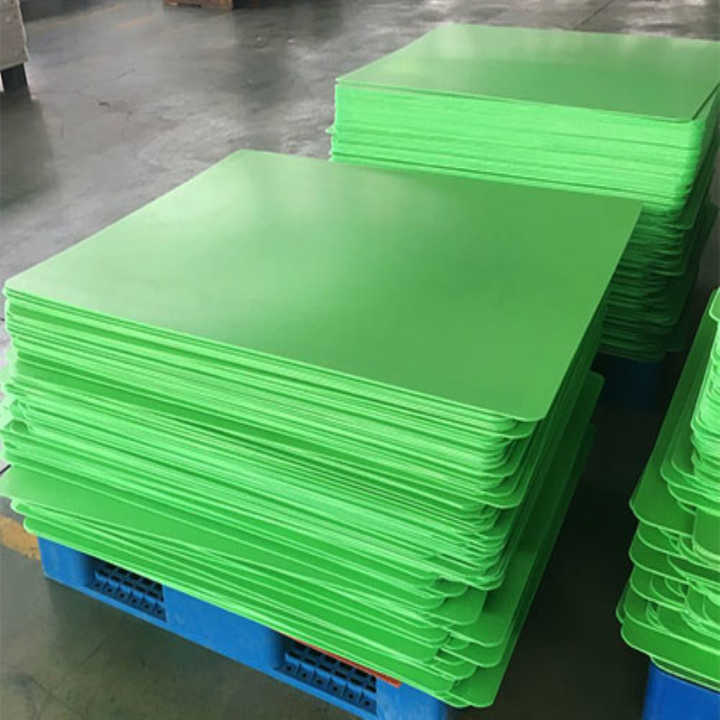
Plastic layer pads, also known as plastic divider sheets or PP separator sheets, are flat and rigid sheets placed between layers of products on a pallet to distribute weight evenly and prevent load shifting. They are typically manufactured from polypropylene (PP) or polyethylene (PE), materials that provide an excellent balance of strength, rigidity, and flexibility. These materials can support heavy stacked loads while also helping absorb vibrations generated during transportation. Polypropylene, the most commonly used material, is especially valued for its high strength-to-weight ratio, excellent chemical resistance, and low moisture absorption. As a result, plastic layer pads maintain their structural integrity even in humid or demanding environments. Unlike cardboard, which can warp, weaken, or tear when exposed to moisture, oils, or chemicals, plastic layer pads deliver reliable and consistent performance under a wide range of conditions. In addition, they can often be reused more than 50 times, making them a far more durable and cost-effective solution than disposable cardboard divider sheets.
One of the most important ways plastic layer pads improve pallet stability is by creating a flat and uniform surface that helps eliminate uneven weight distribution. Even high-quality pallets may have slight surface irregularities, and stacked products themselves often create uneven pressure points. Without a proper divider layer, these inconsistencies can lead to shifting, tipping, or product damage during storage and transportation. Plastic layer pads act as leveling sheets that bridge gaps between pallet boards and create a stable support surface for every layer of products. This evenly distributed support reduces stress on both the pallet and the goods being transported. In industries such as food and beverage packaging, plastic layer pads help prevent bottles, cans, and containers from sticking together or sliding during transit, thereby minimizing damage caused by concentrated pressure or movement.
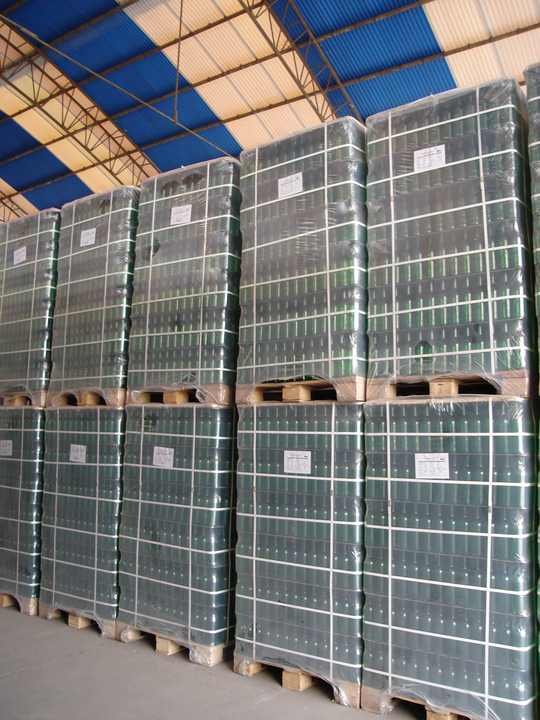
Another major advantage of plastic layer pads is their anti-slip performance. Many plastic divider sheets are manufactured with textured surfaces or specially designed patterns that increase friction between the products, the sheet itself, and the pallet surface. This added grip helps prevent lateral movement caused by transportation vibrations or forklift handling. Unlike damp cardboard, which can become soft and slippery in humid environments, plastic layer pads maintain their stability and friction even under challenging conditions, ensuring more secure pallet loads throughout the supply chain.
Plastic layer pads also improve the stability of stacked loads. Without separator sheets, the weight from the upper layers can compress the products beneath, potentially causing deformation or even collapse of the entire stack. This can seriously compromise pallet stability during storage and transportation. Plastic layer pads act as protective support layers by evenly distributing compressive forces across the entire load, helping prevent crushing and structural damage. Solid plastic layer pads are particularly suitable for supporting heavy industrial or automotive components in high-stacking applications, while honeycomb-style variants provide lightweight cushioning for fragile products without sacrificing stability.
Another major advantage of plastic layer pads is their versatility across a wide range of industries. Unlike standard cardboard sheets, plastic layer pads can be customized to meet specific product and pallet requirements. They are available in various sizes, thicknesses, colors, and designs, including fully customized solutions. Custom inserts help secure irregularly shaped products, such as household appliances or specialized equipment, reducing movement during transportation. Ventilated or perforated layer pads improve airflow for perishable goods, helping reduce moisture buildup and mold growth while maintaining load stability. ESD (electrostatic discharge) protective layer pads are also available for sensitive electronic components, allowing companies to choose solutions tailored to their operational and industry-specific needs.
Beyond product protection, plastic layer pads also improve warehouse safety and operational efficiency. Unstable pallets can slow down handling processes and increase the risk of workplace accidents, while stable pallet loads help streamline loading, unloading, and transportation operations. In high-density or multi-level storage systems, plastic layer pads enable safer vertical stacking and better use of available warehouse space. Their reusable nature also helps reduce packaging waste and long-term operating costs. In addition, services such as cleaning, refurbishment, and reusable packaging programs support more sustainable and circular supply chain systems.
Practical industry experience further demonstrates the effectiveness of plastic layer pads. Many companies that have switched from cardboard dividers to plastic layer pads report significant improvements in load stability, durability, and moisture resistance. In the beverage industry, plastic layer pads help reduce pallet deformation and prevent bottles or cans from collapsing during transport. Their durability also allows for higher packaging efficiency and reduced waste. In the pharmaceutical and food industries, their smooth and easy-to-clean surfaces support hygiene standards and regulatory compliance while contributing to more sustainable packaging operations.
Sustainability is another key advantage that adds long-term value. As businesses continue focusing on environmentally responsible packaging solutions, reusable plastic layer pads have become an attractive alternative to single-use cardboard sheets. Most plastic layer pads are manufactured from recyclable materials such as polypropylene (PP), allowing them to be recycled at the end of their service life. Their long lifespan significantly reduces material consumption and packaging waste while maintaining the durability, strength, and performance required in modern logistics operations.
 عربي
عربي Deutsch
 Français
 Italia
 Portugal
 España