










Why the Food and Beverage Industry Chooses Plastic Layer Pads
2026-05-20The agricultural and food industries operate under strict regulations where safety, hygiene, and product integrity are top priorities. Every stage of the supply chain requires packaging solutions that minimize risks while meeting rigorous industry standards. Thanks to their specialized properties, plastic layer pads have become the preferred alternative to traditional dividers made from cardboard, fiberboard, or wood. Their advantages—including contamination control, load stability, moisture resistance, durability, and cost-efficiency—make them an essential component in modern food logistics and packaging operations.
Hygiene is one of the main reasons for their growing popularity. Because the food industry must comply with strict regulations such as FDA and EFSA standards, materials suitable for food-contact environments are essential. Plastic layer pads are commonly manufactured from food-grade polypropylene (PP), a non-toxic material that does not release harmful substances. Unlike porous cardboard, which absorbs moisture and residues and may encourage bacterial growth, plastic layer pads feature a smooth, non-porous surface that is easy to clean and sanitize. This helps reduce the risk of contamination and supports higher hygiene standards throughout the supply chain.
Moisture resistance is another major advantage. In food and agricultural environments, exposure to water, humidity, and condensation is common. Cardboard dividers can quickly weaken, warp, or collapse when exposed to moisture, resulting in unstable pallet loads and damaged products. Plastic layer pads are water-resistant and maintain their structural strength even in humid or refrigerated conditions. Their durability allows them to be reused many times, making them a more reliable and economical solution than disposable cardboard alternatives.
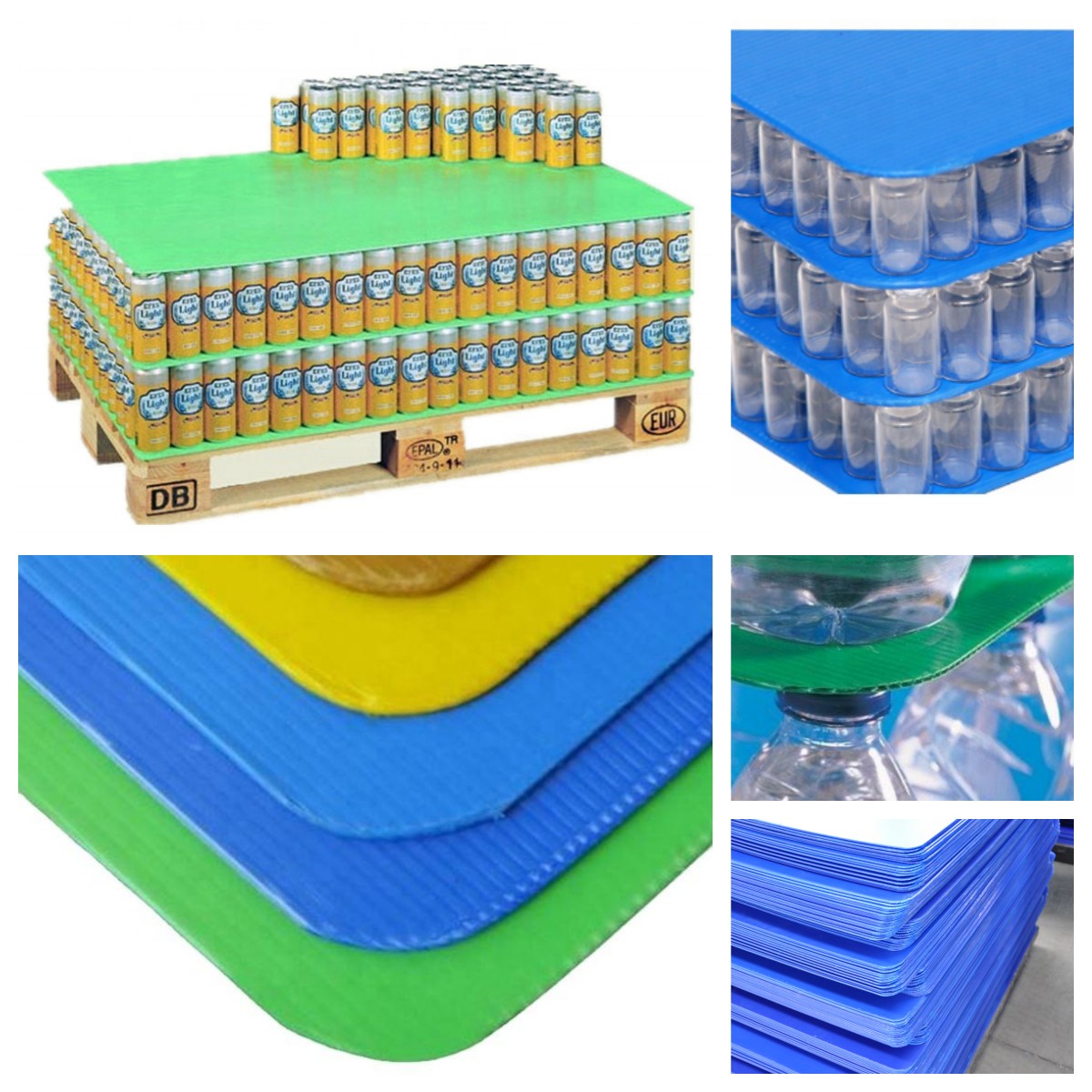
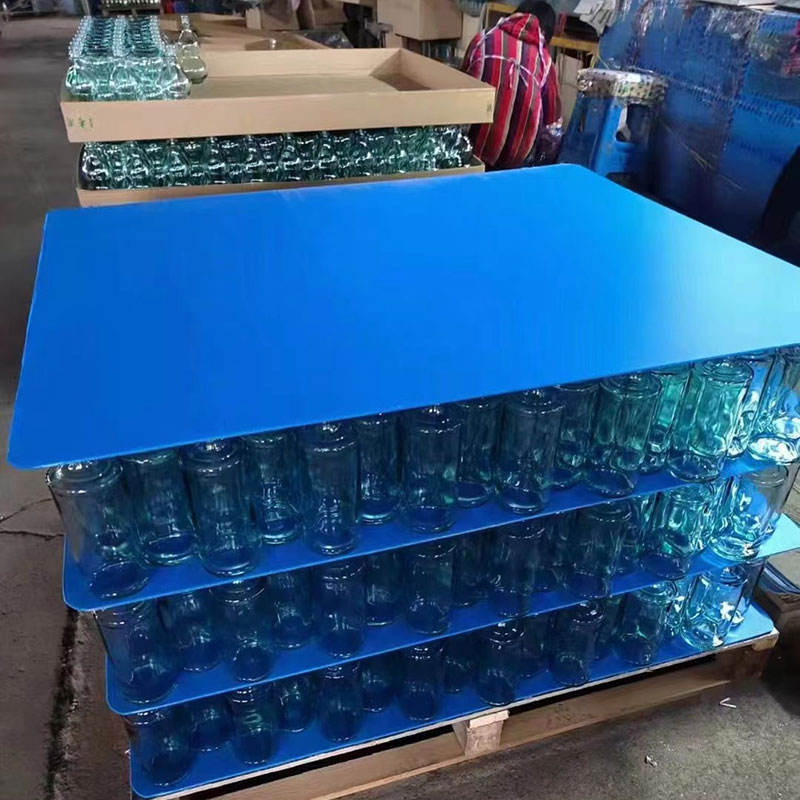
Load stability is especially important for sensitive products such as glass bottles, beverage cans, and packaged foods. Plastic layer pads create a stable and even support surface between product layers, helping distribute weight evenly and reduce pressure points that could damage packaging or cause pallet collapse. Many plastic layer pads also feature anti-slip surface textures that improve grip and help keep products securely in place during storage, transportation, and forklift handling. This additional stability helps reduce product damage while improving overall operational efficiency.
Another key advantage is their versatility. Plastic layer pads can be customized in various sizes, thicknesses, and designs to suit different packaging and logistics requirements. Ventilated layer pads help improve airflow for fresh produce and other perishable products, reducing moisture buildup and helping maintain product quality. Custom-molded or die-cut designs are also available for irregularly shaped items, providing a level of flexibility that traditional cardboard solutions often cannot achieve.
Cost-efficiency and sustainability further contribute to their popularity. Because plastic layer pads can often be reused more than 50 times, businesses can significantly reduce replacement costs and packaging waste. Their lightweight design also helps lower transportation costs. In addition, most plastic layer pads are manufactured from recyclable polypropylene, supporting environmentally responsible packaging practices and helping reduce landfill waste.
Overall, the widespread use of plastic layer pads in the food and beverage industry is driven by their excellent hygiene performance, moisture resistance, load stability, versatility, durability, and long-term cost savings. By meeting the industry’s strict operational and regulatory requirements, they continue to play an important role in improving packaging efficiency and supply chain reliability.
 عربي
عربي Deutsch
 Français
 Italia
 Portugal
 España