










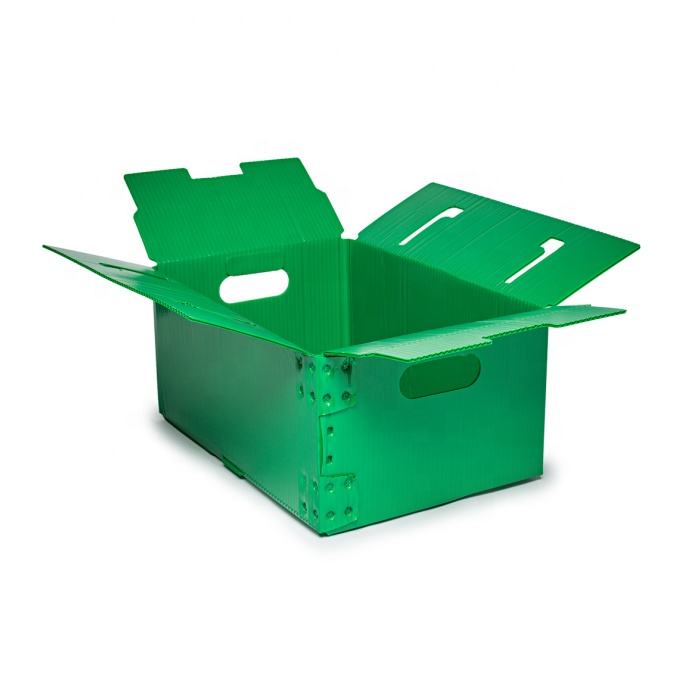
Choosing the Right Thickness for Corrugated Plastic Boxes
2026-05-21Corrugated plastic boxes are widely used in logistics, the automotive industry, the electronics sector, agriculture, and warehousing, as they are lightweight, durable, water-resistant, and reusable. However, selecting the appropriate material thickness is crucial to ensuring adequate product protection, durability, and cost-efficiency.
Corrugated plastic sheets are typically available in thicknesses ranging from 2 mm to 12 mm. Thinner sheets—such as those measuring 2 mm or 3 mm—are suitable for lightweight packaging, promotional materials, and temporary storage. They are cost-effective and easy to process but have limited load-bearing capacity.
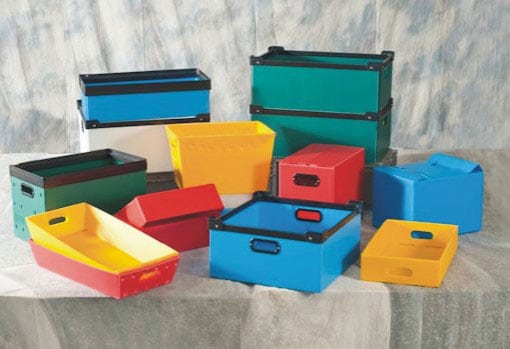
Medium material thicknesses—such as 4 mm and 5 mm—are the most commonly used for industrial corrugated plastic boxes. They offer a balanced ratio of strength, durability, and cost-efficiency, making them ideal for storage bins, automotive parts packaging, and reusable transport containers.
For heavy-duty applications, sheets with a thickness of 6 mm to 8 mm provide superior impact resistance and stacking strength. These thicker corrugated plastic boxes are often used for export packaging, machinery protection, and robust, reusable packaging systems.
When selecting the appropriate material thickness, companies should consider the product’s weight, stacking requirements, transport conditions, and desired level of reusability. Heavier products and demanding transport conditions typically require thicker material to ensure enhanced protection and greater durability.
Choosing the right material thickness for a corrugated plastic box not only optimizes packaging performance but also helps minimize product damage and reduce transportation costs. With careful material selection, corrugated plastic boxes serve as an efficient, durable, and eco-friendly solution for a wide range of industries.
 عربي
عربي Deutsch
 Français
 Italia
 Portugal
 España