









Limitations of Corrugated Cardboard Packaging and the Advantages of Corrugated Plastic Alternatives
2026-05-29Corrugated cardboard has long been a staple packaging solution for logistics, warehousing and transportation, favoured primarily for its low upfront cost and lightweight properties. However, as supply chain standards grow increasingly rigorous and businesses prioritise operational efficiency and packaging durability, the inherent limitations of corrugated cardboard have become increasingly prominent.
Moisture susceptibility is one of the most prevalent drawbacks of corrugated cardboard packaging. During transit in high-humidity conditions or rainy weather, cardboard readily absorbs moisture, which weakens its structural stability and causes permanent deformation. This not only undermines packaging aesthetics but also significantly raises the risk of product damage during handling and shipping.
Durability is another critical pain point. Standard corrugated cardboard boxes are engineered for short-term or single-use applications. They easily wear, tear and deform under the stress of repeated stacking, handling and transportation. For businesses with frequent product turnover or closed-loop packaging systems, the continuous replacement of damaged cardboard boxes creates recurring operational cost burdens.
Additionally, corrugated cardboard provides insufficient protection for heavy or fragile goods. Under heavy compressive pressure or during long-haul transportation, cardboard often fails to sustain structural integrity, resulting in compromised product safety. This commonly leads to merchandise damage, customer compensation claims and additional logistics-related financial losses.
Corrugated cardboard also hinders operational efficiency in warehouse environments. Deformed or damaged boxes compromise stacking stability, which reduces warehouse space utilisation efficiency. Furthermore, single-use cardboard packaging generates substantial waste volumes, increasing waste disposal expenses and exacerbating environmental pressure.
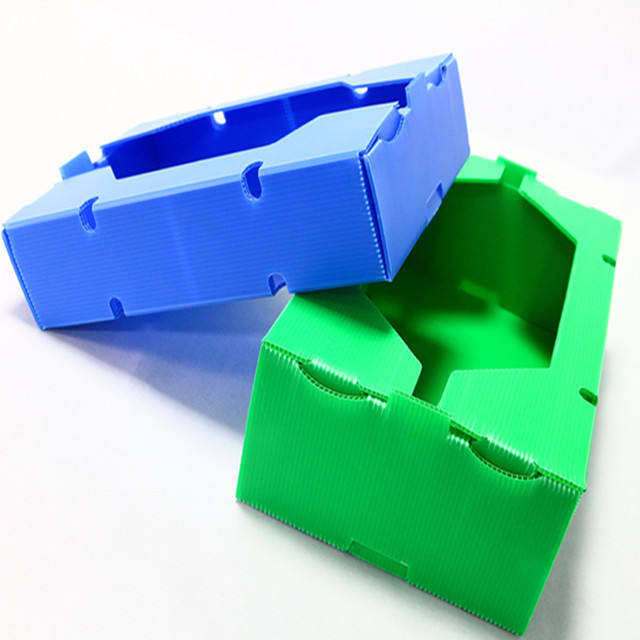
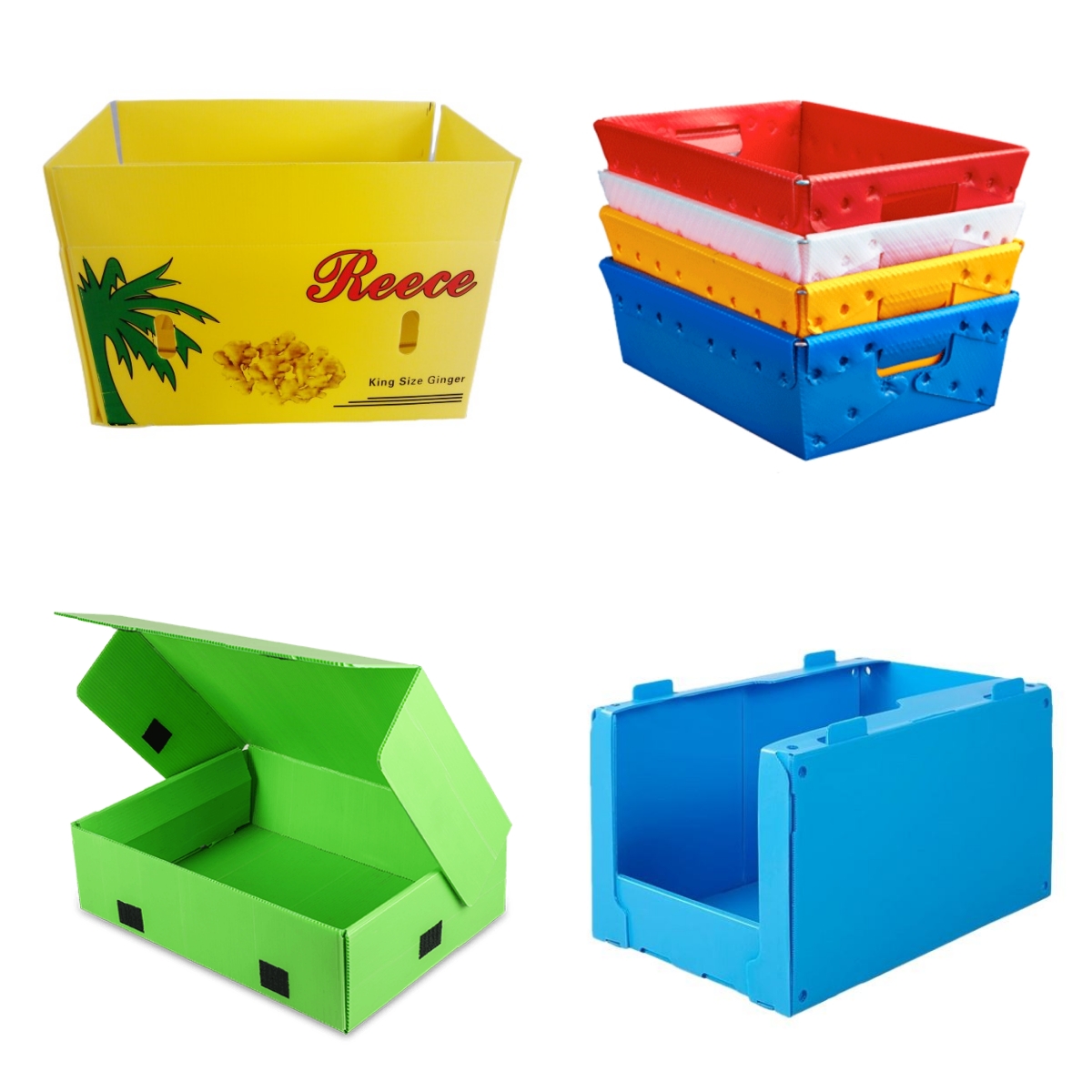
To mitigate these challenges, a growing number of enterprises are adopting corrugated plastic boxes (also known as plastic cardboard) as a high-reliability alternative. Fabricated from high-strength polypropylene (PP), these boxes deliver superior durability, excellent waterproof performance and an extended service lifespan. Unlike traditional cardboard, corrugated plastic absorbs no moisture and maintains consistent structural performance across diverse environmental conditions.
Beyond weather resistance, corrugated plastic boxes are fully reusable, delivering compelling long-term cost savings. Their lightweight yet sturdy construction minimises product damage risks while streamlining transportation and warehousing operations. They are also easy to clean and 100% recyclable, making them versatile for widespread use across the automotive, electronics, agricultural, food and logistics industries. As global businesses continue to pursue more durable, cost-effective and sustainable packaging solutions, corrugated plastic boxes have emerged as a superior alternative to conventional corrugated cardboard packaging.
 عربي
عربي Deutsch
 Français
 Italia
 Portugal
 España