










Best Packaging Materials for Heavy-Duty Products
2026-06-01Choosing the right packaging material is critical for the transport and storage of heavy goods. For automotive parts, industrial machinery, metal components, construction materials and large-scale equipment alike, businesses need packaging solutions that deliver high load-bearing performance and protect goods from damage across the entire supply chain. Improper packaging can result in product losses, higher shipping expenses and customer complaints, so selecting appropriate packaging materials is a fundamental part of any logistics strategy.
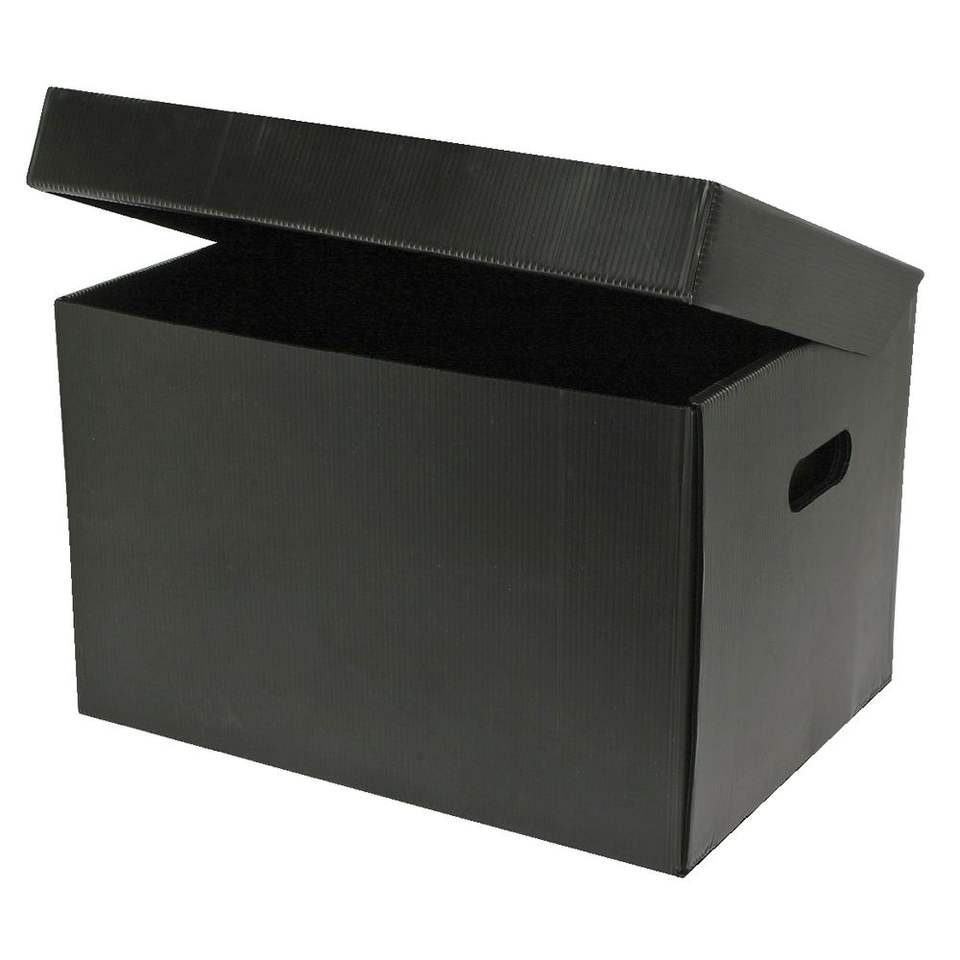
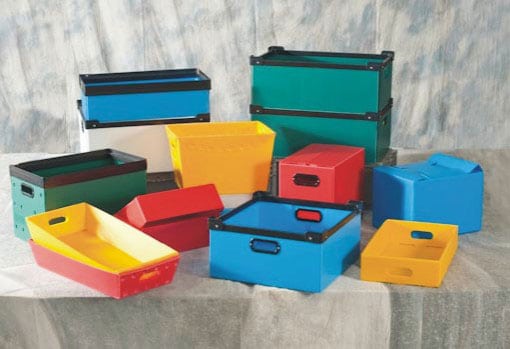
Among the diverse packaging options on the market, corrugated polypropylene, commonly referred to as corrugated plastic, has grown increasingly popular in industries that demand superior durability. Manufactured from polypropylene, corrugated plastic sheets are lightweight yet remarkably strong. Unlike conventional paper-based corrugated cardboard, this material features excellent resistance to water, chemicals and impact, making it fit for both indoor and outdoor applications. It can be fabricated into custom boxes, sleeves, dividers, layer pads and returnable containers, delivering reliable, long-term protection for high-value goods. Furthermore, its reusability has led many manufacturers and logistics providers to adopt corrugated polypropylene packaging to cut long-term packaging costs and advance their environmental sustainability objectives.
Wooden crates remain the primary choice for transporting extra-heavy and oversize goods. Boasting outstanding load capacity and structural rigidity, they are ideal for shipping large industrial machinery, generators and mechanical equipment, and offer robust protection for long-haul transportation and export shipments. That said, wooden crates are considerably heavy, which drives up shipping costs. Additionally, wooden packaging is subject to strict fumigation and phytosanitary regulations in many countries. Wood is also susceptible to moisture, requiring extra care during storage.
High-strength corrugated cardboard is still widely adopted across numerous industries thanks to its cost efficiency and great versatility. Modern multi-wall corrugated structures offer enhanced durability, effectively safeguarding heavy goods in transit. Being lightweight, fully recyclable and easy to print on, corrugated cardboard is an optimal choice for single-use shipments. However, its structural performance deteriorates when exposed to moisture, which weakens its load capacity and restricts its use in certain industrial fields.
Plastic pallets and pallet liners are integral to high-performance packaging systems. Compared with traditional wooden pallets, plastic pallets are more durable, hygienic and longer-lasting. They are moisture-proof, easy to clean and fully compatible with automated warehousing systems. Pallet liners further improve load stability by separating product layers and preventing in-transit damage. For these reasons, plastic pallets and liners are widely used in manufacturing, warehousing, food processing and export logistics.
Foam inserts are commonly integrated into packaging designs for products that require extra protection against impact and external hazards. Materials including EVA foam, EPE foam and polyethylene foam absorb shocks and hold products firmly in place during handling and transport. Custom foam inserts are especially well-suited for fragile industrial components, electronic devices and precision parts, as they limit product movement and prevent scratches, dents and other physical damage.
When selecting high-performance packaging materials, companies need to take into account product weight, shipping conditions, storage environment, handling frequency and sustainability targets. Packaging suitable for domestic delivery may not offer sufficient protection for international shipments or repeated use within a closed supply chain. It is also essential to evaluate total cost of ownership. While reusable packaging materials may require a higher upfront investment, they can generate substantial cost savings over time.
As more companies pursue more efficient and eco-friendly packaging solutions, reusable materials have become ever more important. Corrugated plastic stands out for its excellent combination of strength, durability, flexibility and sustainability. Its light weight, reusability and ability to withstand harsh industrial conditions make it one of the best packaging choices for heavy goods. By adopting well-matched packaging solutions, businesses can better protect their products, lower logistics costs, improve operational efficiency and achieve long-term sustainability goals.
 عربي
عربي Deutsch
 Français
 Italia
 Portugal
 España