










Corrugated Plastic Sheets vs. PVC Sheets: Which Material Is Right for Your Project?
2026-06-03When selecting plastic sheets for packaging, construction, signage, or industrial use, two materials typically stand out as the primary options: corrugated plastic (PP) sheets and PVC sheets. While both materials possess unique advantages, understanding their differences will help you make a more informed decision tailored to your specific needs.
Materials and Structure
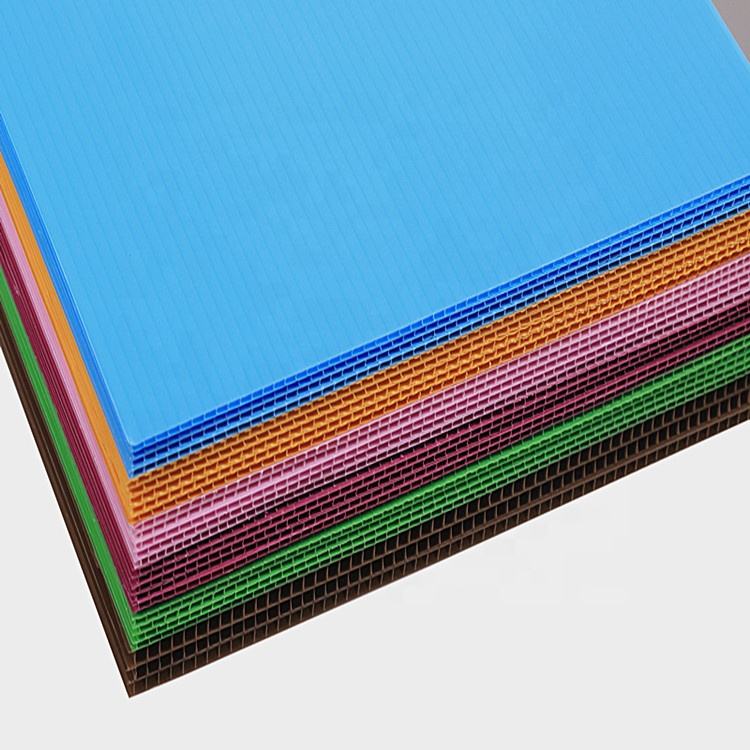
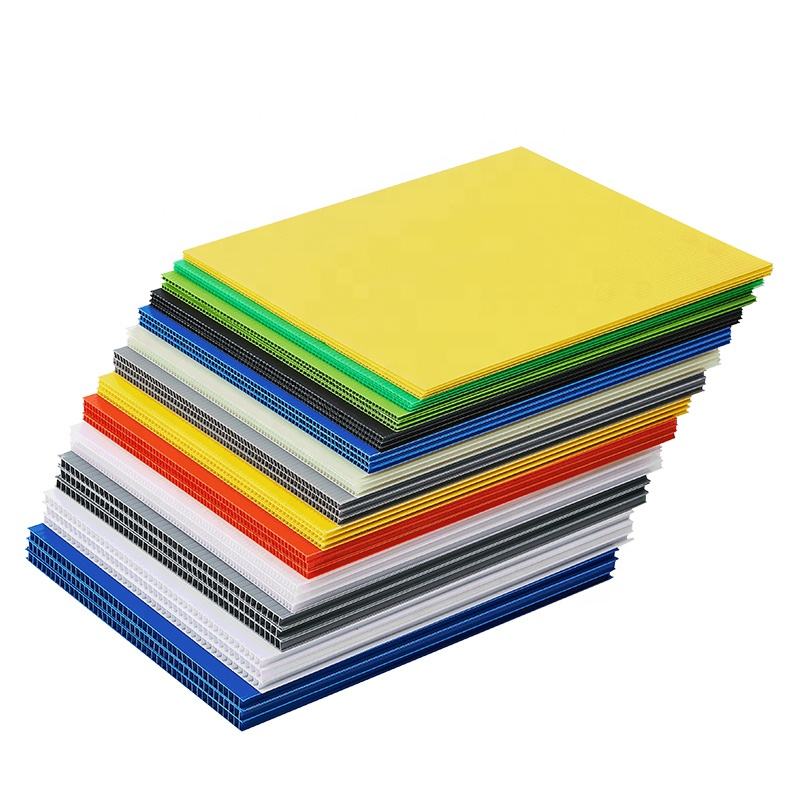
Corrugated plastic sheets are made from polypropylene (PP) and feature a hollow, fluted structure, which makes them extremely lightweight. This structure ensures both strength and flexibility while maintaining the material's inherent lightness. The internal fluted structure provides shock absorption, making these sheets ideal for packaging, shipping, and temporary protection.
On the other hand, PVC sheets are made from polyvinyl chloride; they are rigid and possess high structural stiffness. In addition to their excellent strength, PVC offers superior resistance to chemicals and weather fluctuations, making it highly suitable for long-term outdoor applications or construction projects.
Durability and Strength
Corrugated plastic sheets boast an excellent strength-to-weight ratio, allowing them to withstand repeated handling, loading, and transport. However, due to their high flexibility, they may bend or deform if subjected to excessively heavy loads.
In contrast, PVC sheets have a higher density and are significantly more rigid. While they offer excellent impact resistance on construction sites or in outdoor environments, large-format sheets can be heavy and somewhat difficult to handle.
Weather and Chemical Resistance
Corrugated PP sheets offer excellent resistance to water, moisture, and various common chemicals. Since they do not warp or expand—even in humid environments—they are frequently used for packaging materials or temporary outdoor signage.
PVC sheets hold the advantage of particularly superior durability and a strong capacity for blocking UV rays. This makes them more suitable for permanent applications exposed to the outdoors for extended periods, such as signage, protective covers, and construction materials.
Weight and Ease of Handling
Corrugated plastic sheets are significantly lighter than PVC sheets of the same size. Thanks to their light weight, they are considered an ideal material for situations where ease of handling is paramount—such as in logistics, e-commerce packaging, and temporary protective measures.
Due to their rigid structure, PVC sheets are heavier and require greater strength and effort for tasks such as cutting, bending, and transporting. While this rigidity can be an advantage—as it increases the material's strength—the weight can be a disadvantage in projects where mobility is critical or frequent handling is required.
Cost-Effectiveness
Corrugated plastic sheets offer a cost-effective solution for mass-produced packaging, product dividers, and temporary signage. They are reusable multiple times, which helps reduce transportation and storage costs. Due to their high density and more complex handling requirements, PVC sheets generally have a higher upfront cost. However, they offer excellent durability for long-term outdoor use or load-bearing structures, making them a cost-effective investment.
Applications
- Corrugated Plastic: Packaging boxes, dividers/interlayers, reusable containers, warehouse dividers, temporary signage, protective panels.
- PVC Sheets: Outdoor signage, construction panels, machinery guards, permanent safety barriers, building structures.
Both corrugated plastic and PVC sheets have their advantages. Choose corrugated plastic (PP) when you need a lightweight, economical, reusable, and waterproof solution for packaging, transport, or temporary protection. Choose PVC sheets when you need robust, durable, and weather-resistant panels suitable for load-bearing structures or permanent applications. Understanding these differences enables you to select the appropriate material in terms of durability, efficiency, and cost-effectiveness, thereby avoiding excessive demands or inadequate performance during project execution.
 عربي
عربي Deutsch
 Français
 Italia
 Portugal
 España