










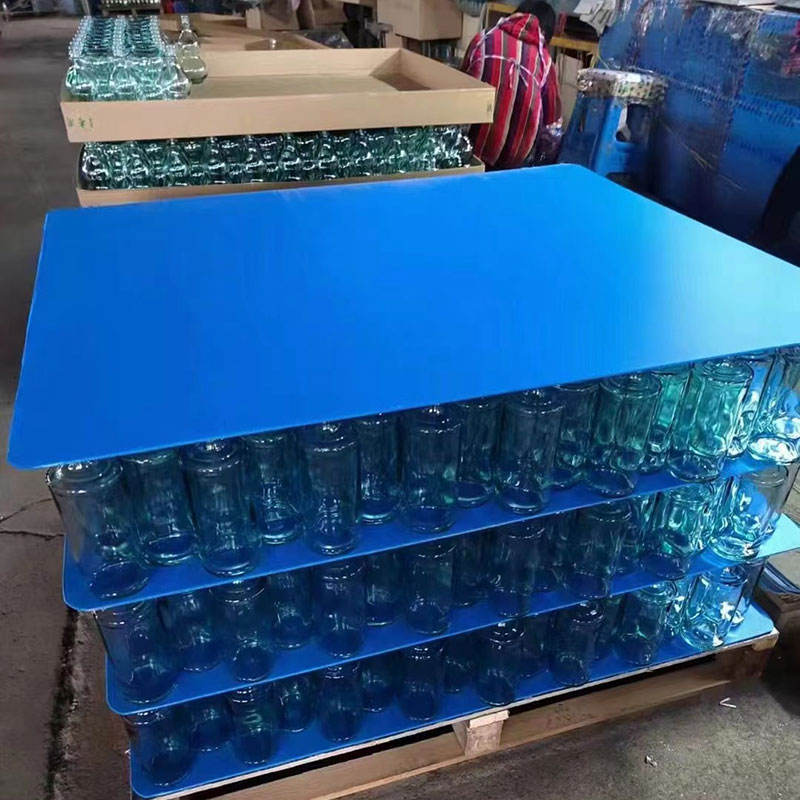
How to Choose the Right Bottle Layer Pad for Your Packaging Needs
2026-06-16Bottle protection mats play a critical role in safeguarding bottled products during storage, transportation, and distribution. Whether packaging water, soda, beer, dairy products, or other beverages, selecting the right mat can significantly reduce product damage, improve handling efficiency, and lower overall packaging costs. With a wide range of materials and specifications available, it is essential to understand the key selection criteria to identify the most suitable solution for your packaging operations.
The first factor to consider is the type and weight of the bottles being packaged. Glass bottles generally require heavier-duty, more durable mats due to their greater weight and higher risk of breakage. Plastic bottles, though lighter in weight, still need sufficient support to maintain load stability during stacking and transit. Evaluating your products’ weight distribution and stacking requirements helps determine the optimal material thickness and load-bearing capacity.
Material selection is another vital consideration. Corrugated plastic pads made of polypropylene (PP) deliver exceptional durability, moisture resistance, and long-term recyclability. Unlike traditional cardboard sheets, plastic pads do not absorb water, making them ideal for cold chain logistics, beverage warehouses, and humid working environments. Their chemical resistance and easy-to-clean surface also enhance hygiene standards and extend service life.
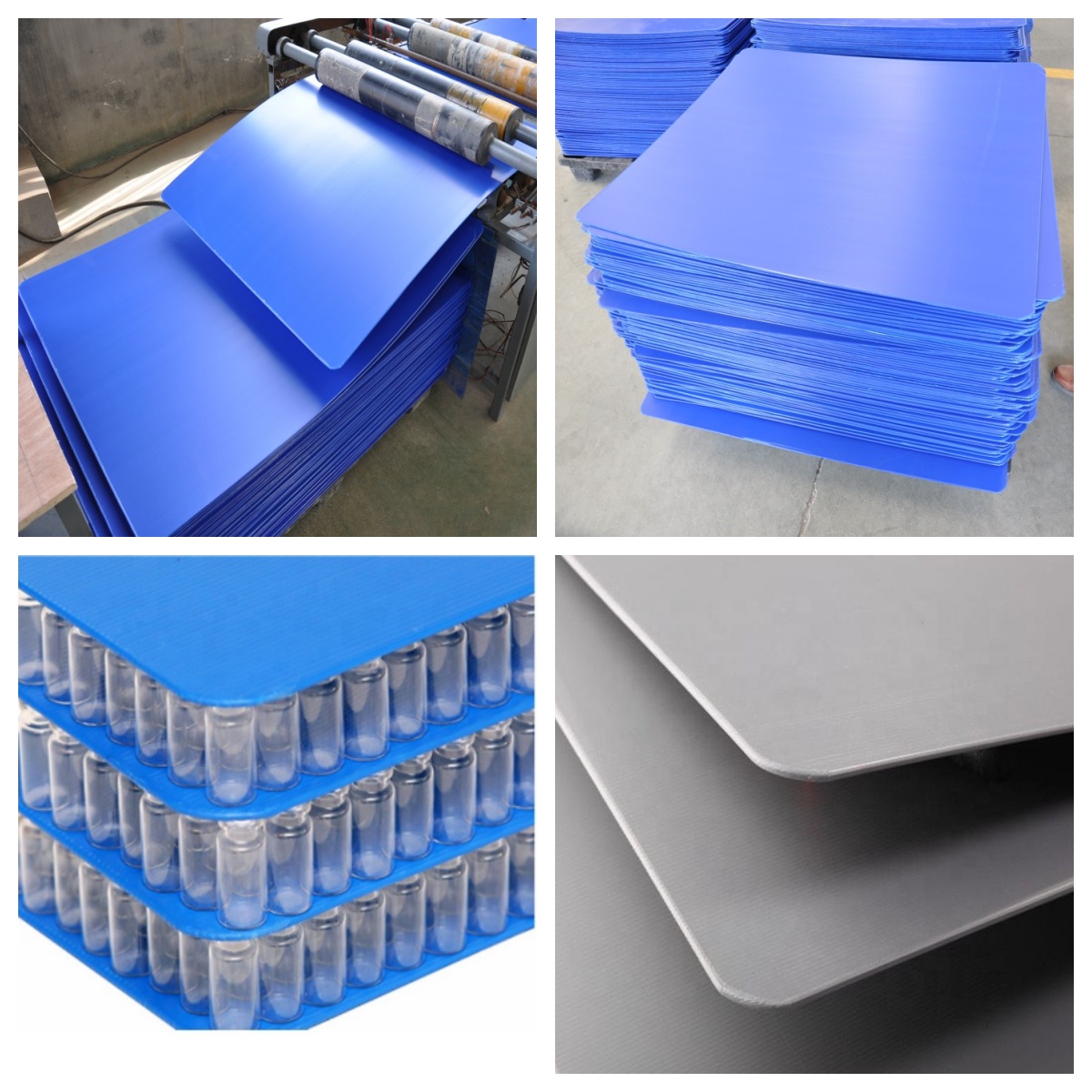
Pad thickness directly determines its mechanical strength and protective performance. Thinner pads are suitable for lightweight products and short-distance transportation, while thicker sheets offer superior rigidity and protection for heavy bottles and harsh logistics conditions. The most commonly used thicknesses range from 2 mm to 5 mm, and custom thicknesses can be manufactured to meet specific application needs.
Pad size should match pallet dimensions and bottle layout accurately. Proper sizing ensures full coverage between product layers and prevents bottle displacement during handling and transit. Custom-sized pads can be produced to fit specific pallet configurations, maximizing overall load stability and space utilization.
Environmental conditions are also a key deciding factor. For products stored in cold storage or transported across variable climates, moisture-resistant materials are indispensable. Corrugated plastic pads retain their structural integrity when exposed to water, high humidity, or temperature fluctuations, delivering consistent protection throughout the entire supply chain.
Recyclability and sustainability have become increasingly important considerations for manufacturers and distributors. Reusable plastic pads can be recycled and reused hundreds of times, drastically reducing packaging waste and long-term operational costs. Their recyclable properties also help enterprises advance sustainability initiatives and meet environmental compliance targets.
Customization options can further optimize packaging performance. Many enterprises opt for custom colors, printed logos, barcodes, or identification labels to streamline inventory management and boost brand visibility. Anti-static, flame-retardant, and food-grade material options are also available for specialized application scenarios.
Cost evaluation should adopt a long-term perspective instead of focusing solely on upfront purchase prices. Although reusable corrugated plastic pads require a higher initial investment than disposable alternatives, their long service life, lower replacement frequency, and reduced product damage rates generate substantial long-term cost savings.
By fully evaluating bottle type, load requirements, material properties, environmental conditions, and sustainability goals, enterprises can select optimal bottle protection pads to enhance product safety and operational efficiency. High-quality protection pads not only secure products across the supply chain but also cut packaging costs, improve environmental sustainability, and elevate customer satisfaction.
 عربي
عربي Deutsch
 Français
 Italia
 Portugal
 España