










Corrugated Plastic Sheet vs PVC Sheet: Key Differences
2026-06-25When selecting plastic sheets for packaging, signage, building protection, or industrial use, the most common options are corrugated plastic sheets and PVC sheets. While both materials offer durability and moisture resistance, there are significant differences in structure, weight, flexibility, cost, and suitability for specific applications. Understanding these differences can help companies select the appropriate material for their specific requirements.
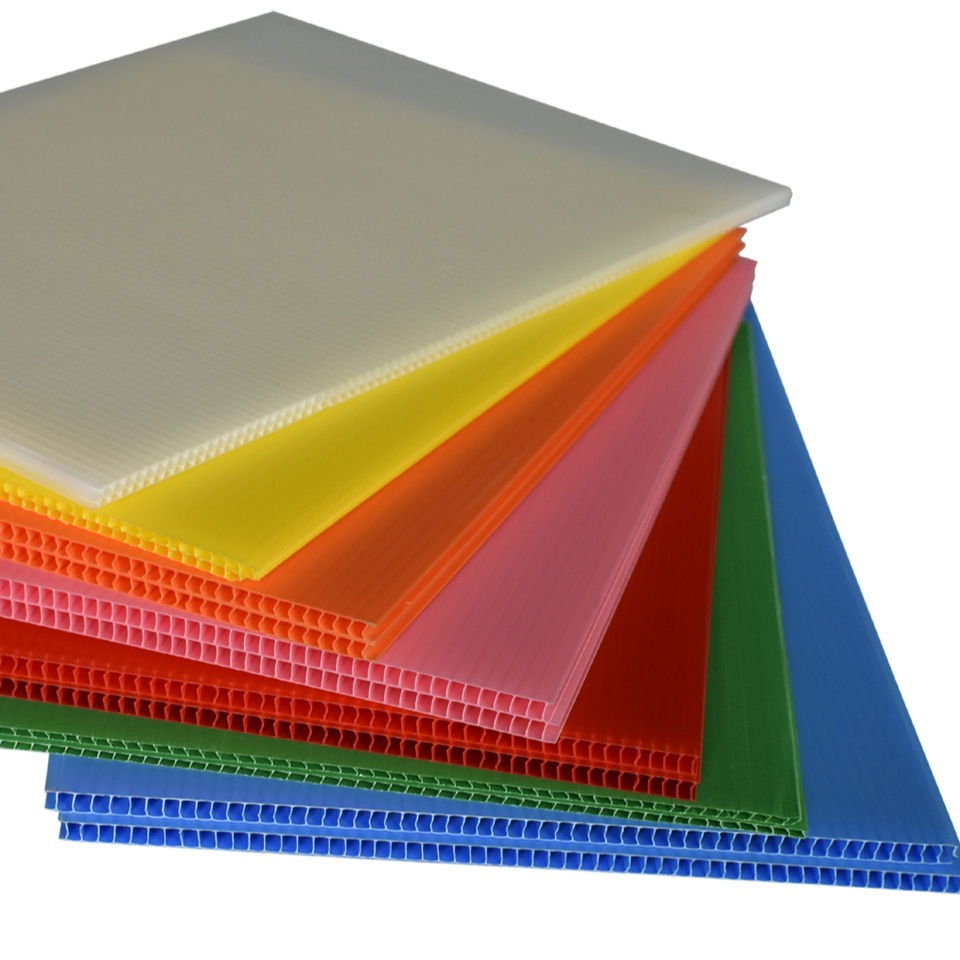
Corrugated plastic sheets, also known as hollow PP sheets or corrugated polypropylene sheets, are made from polypropylene resin with a double-hollow structure. This unique structure provides an excellent balance between strength and lightness. On the other hand, PVC sheets are rigid plastic panels typically made of polyvinyl chloride, offering higher rigidity and a smooth surface.
One of the most distinct differences between corrugated plastic sheets and PVC sheets is weight. Corrugated plastic sheets are much lighter because they are hollow inside. This lightweight structure reduces transportation costs and facilitates handling during packaging, storage, and installation. PVC sheets are denser and heavier, which can increase transportation costs, especially for large-scale projects.
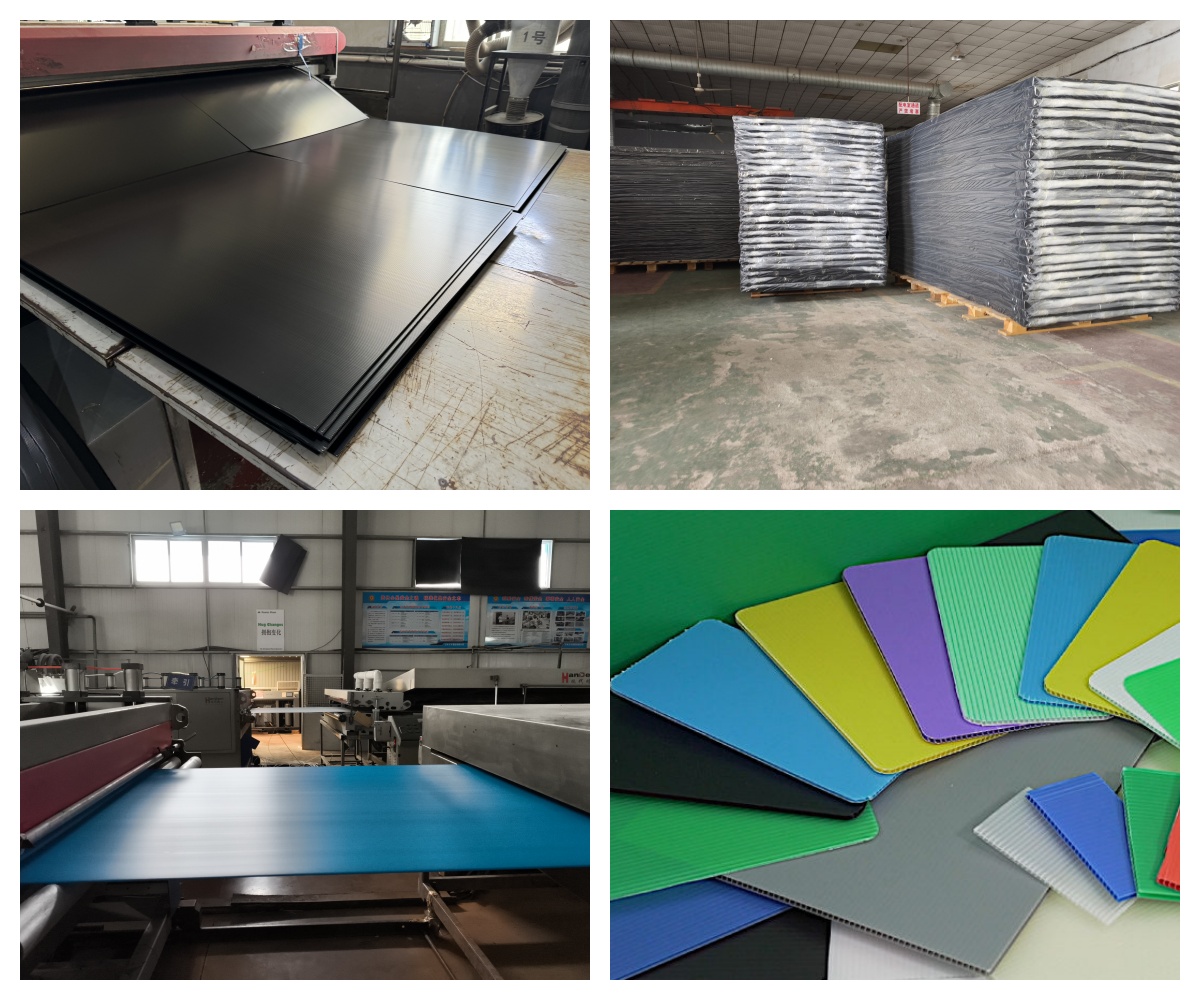
Another important factor is durability. Corrugated plastic sheets offer excellent impact resistance and flexibility, allowing them to withstand repeated use without cracking. They are widely used in reusable packaging materials, mats, industrial containers, and protective packaging solutions. While PVC sheets provide excellent strength and toughness, they can become brittle when exposed to specific environmental conditions or prolonged stress.
In terms of moisture resistance, both materials demonstrate excellent performance. Since neither corrugated plastic sheets nor PVC sheets absorb moisture, they are suitable for outdoor and humid environments. However, corrugated plastic sheets are more commonly used for applications requiring lightness and waterproofing, such as construction site floor protection sheets, crop and tree protection materials, and reusable packaging boxes.
Cost-effectiveness is another advantage of corrugated plastic sheets. Hollow polypropylene sheets generally use less material due to their hollow structure, resulting in reduced manufacturing and transportation costs. For companies seeking economical packaging or temporary protection solutions, corrugated plastic sheets can offer significant cost savings compared to solid PVC sheets.
Environmental issues are becoming increasingly important for both manufacturers and consumers. Corrugated plastic sheets are generally made of recyclable polypropylene, allowing for reuse and recycling after their lifespan. Thanks to their long lifespan, they also contribute to waste reduction. While PVC sheets are also recyclable in some regions, the recycling process is generally more complex than that of polypropylene.
There are also various printing and finishing options. Although both materials can be printed and processed into a wide range of products, corrugated plastic sheets are particularly popular for billboards, promotional materials, election advertisements, and store displays due to their lightweight, easy-to-cut, and low cost. PVC sheets are primarily chosen when a smooth, sturdy surface and a luxurious appearance are required.
In the construction industry, corrugated plastic sheets are widely used at construction sites as temporary floor protection panels, wall protection panels, and reusable barriers. Their light weight allows workers to install and remove them quickly. PVC sheets are more commonly used for decorative panels, interior applications, and where higher rigidity is required.
In the packaging and logistics sectors, corrugated plastic sheets stand out by far. Thanks to its lightweight, impact resistance, moisture resistance, and reusability, it is ideal for the production of corrugated plastic boxes, dividers, stacking trays, and reusable packaging systems. Many industries, including automotive, electronics, agriculture, and warehousing, utilize corrugated plastic products to increase efficiency and reduce packaging costs.
The choice between corrugated plastic sheets and PVC sheets ultimately depends on the application. Corrugated plastic sheets are often preferred when lightness, cost-effectiveness, recyclability, and reusable packaging are critical. PVC sheets may be a better choice when maximum rigidity, a smooth surface, and structural stability are required. By understanding the advantages of each material, companies can make informed decisions that help optimize overall costs while improving product performance.
 عربي
عربي Deutsch
 Français
 Italia
 Portugal
 España