










The Role of Corrugated Plastic in Circular Economy Packaging
2026-06-25As sustainability gains growing importance in every industry, the circular economy offers a clear framework to cut waste and boost resource efficiency. Packaging stands out as a major focus within this model, given its large output and short service life. Corrugated plastic sheets fit circular economy ideals perfectly, thanks to their sturdiness, reusability and recyclable properties.
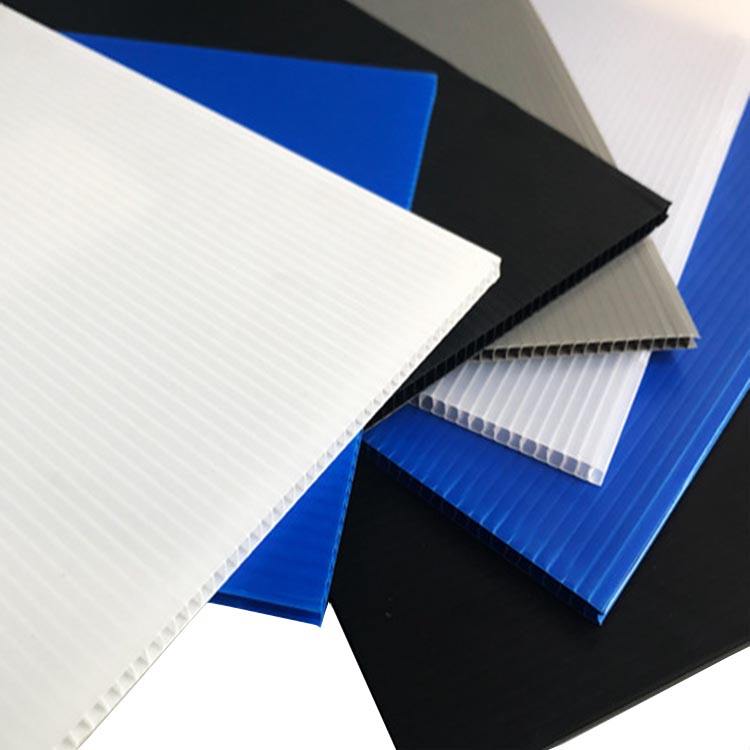
Crafted from twin-wall polypropylene, corrugated plastic outperforms solid plastic sheets in both strength and lightness. Its hollow build lowers fuel use and carbon footprints during transit, while outstanding shock and water resistance shield goods fully and cut waste from damaged products.
Reusability is one of its biggest strengths. Unlike one-time cardboard, corrugated plastic sheets hold shape and full functionality through countless transport cycles. In closed-loop logistics systems, plastic crates, internal dividers and filling pieces are retrieved and put back into service. This practice drastically cuts waste from disposable packaging and slashes long-term expenses versus repeatedly purchasing single-use packaging supplies.
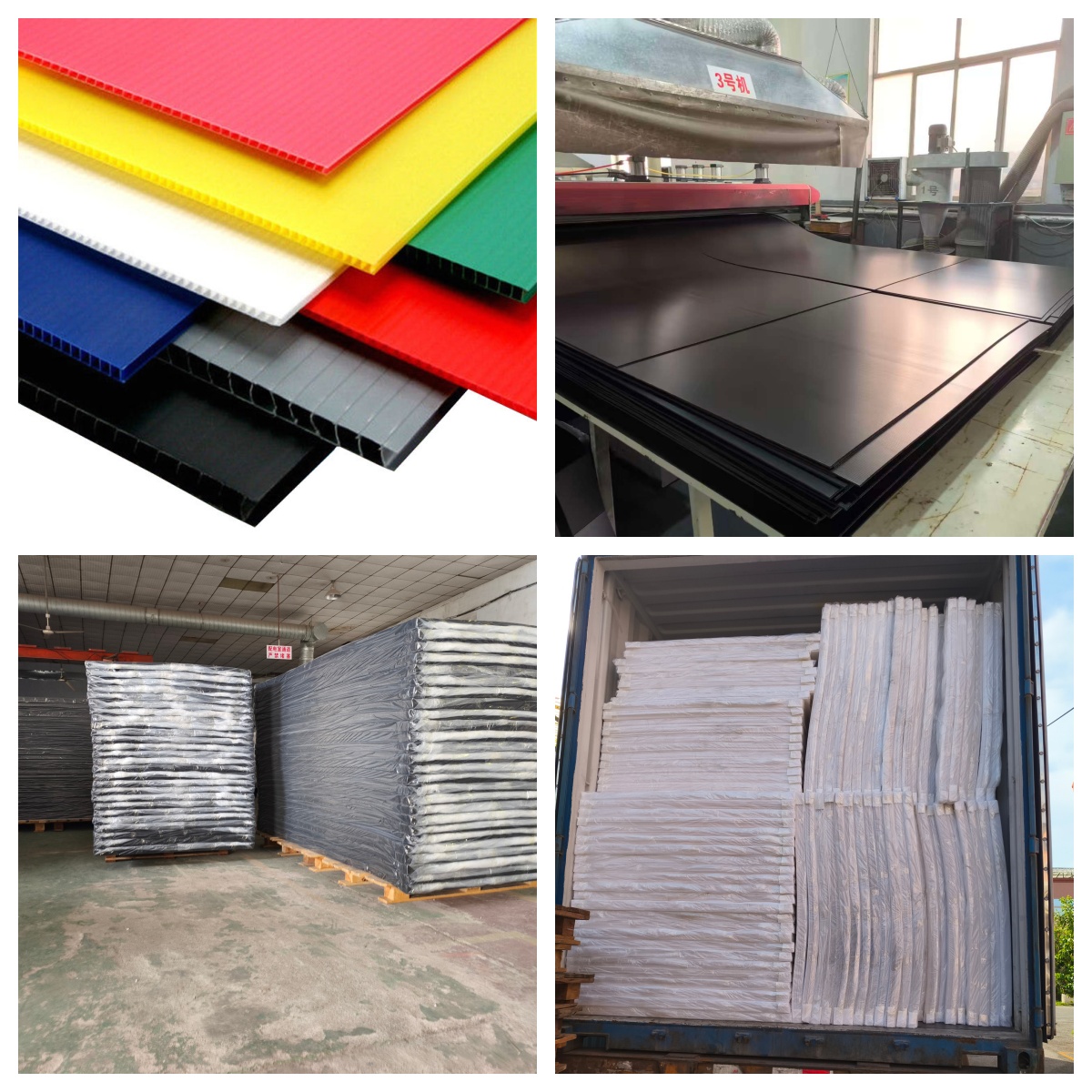
Recyclability is another core circular advantage. Once its service life ends, polypropylene can be melted and remolded into brand-new goods. Since corrugated plastic consists of a single polymer resin, the recycling process stays simple. Many manufacturers now advance circular workflows by blending recycled resin into production or running take-back programs for old panels. This move curbs virgin material demand and lessens waste sent to landfills.
Besides that, its hollow structure consumes less raw material per square meter than traditional paper corrugated board, lifting overall resource efficiency. The material supports custom cutting to form packaging tailored exactly to product dimensions; minimizing empty space inside packages optimizes shipment load capacity. Fewer delivery trips follow, which further lowers associated waste. Its natural waterproof trait removes the need for extra surface coatings that complicate plastic recycling streams.
Running a circular packaging system demands upfront spending on collection, sorting and quality inspection processes. Tracking tools like barcodes and RFID labels let teams track usage cycles and identify when old corrugated plastic needs recycling. These initial overheads usually pay off over time by eliminating constant purchases of disposable packaging.
Cross-supply-chain cooperation unlocks the full value of circular operations. Material suppliers, processing factories, logistics providers and final clients all carry vital roles to boost reuse and material recovery. Uniform panel sizes and connecting structures make shared packaging pools easier to operate. Such circular packaging models already run successfully across auto parts, electronics and fresh agricultural goods logistics.
Corrugated plastic sees wide adoption across multiple sectors. Automakers rely on it for returnable component trays and protective padding; electronics factories deploy anti-static corrugated plastic to guard fragile circuit parts. Farms adopt washable plastic harvest bins, while e-commerce brands use custom dividers and foldable shipping boxes made from this material. These real-world cases prove circular plastic packaging delivers reliable protection without sacrificing performance.
Still, barriers persist, mostly around regional collection and sorting infrastructure. Glue stains or leftover surface contaminants can disrupt recycling lines, and complete rigid plastic recycling networks are not available everywhere. Even so, sorting equipment and standardized marking systems keep improving. Chemical recycling technology also unlocks nearly endless potential to repurpose plastic waste in the coming years.
Cost remains a decisive factor for buyers. Corrugated plastic packaging carries a higher upfront price tag than paper cartons, yet per-use costs drop sharply after repeated cycles. Businesses typically hit cost break-even within several reuse rounds, after which clear cost savings appear. The financial benefits grow even larger when factoring in waste disposal fees and environmental compliance charges.
Emerging innovations including bio-based polypropylene formulas, ultra-light hollow designs and digital cycle tracking tools will further strengthen the circular value of corrugated plastic. Clear user guidance and staff training are also critical to preserve material quality through multiple recycling loops.
To sum up, corrugated plastic delivers a workable solution for circular packaging demands. Its light weight, high durability, waterproof performance and reusability help brands hit core sustainability targets. Though infrastructure and operational tweaks are still required, corrugated plastic balances cost reduction and lower environmental harm effectively. As circular economy awareness expands globally, corrugated plastic will become a central material supporting the shift toward fully sustainable packaging systems.
 عربي
عربي Deutsch
 Français
 Italia
 Portugal
 España