










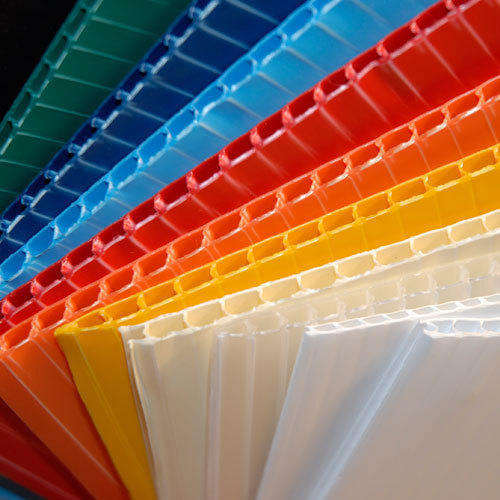
Corrugated Plastic Sheet Buying Guide for Importers
2026-06-29When importing hollow-profile plastic sheets—also known as PP hollow-profile sheets or corrugated polypropylene sheets—it is crucial to understand the key specifications and quality factors that directly influence product performance, cost-effectiveness, and suitability for the intended application. While many importers make the mistake of focusing solely on price, successful sourcing requires balancing material quality, manufacturing standards, and actual usage requirements.
The first factor to consider is material composition. High-quality hollow-profile plastic sheets are manufactured from virgin polypropylene (PP), which offers superior durability, flexibility, and impact resistance compared to recycled materials. Although sheets made from recycled PP may be less expensive, they often lack uniformity in thickness, color, and strength, which can lead to performance issues in packaging and industrial applications.
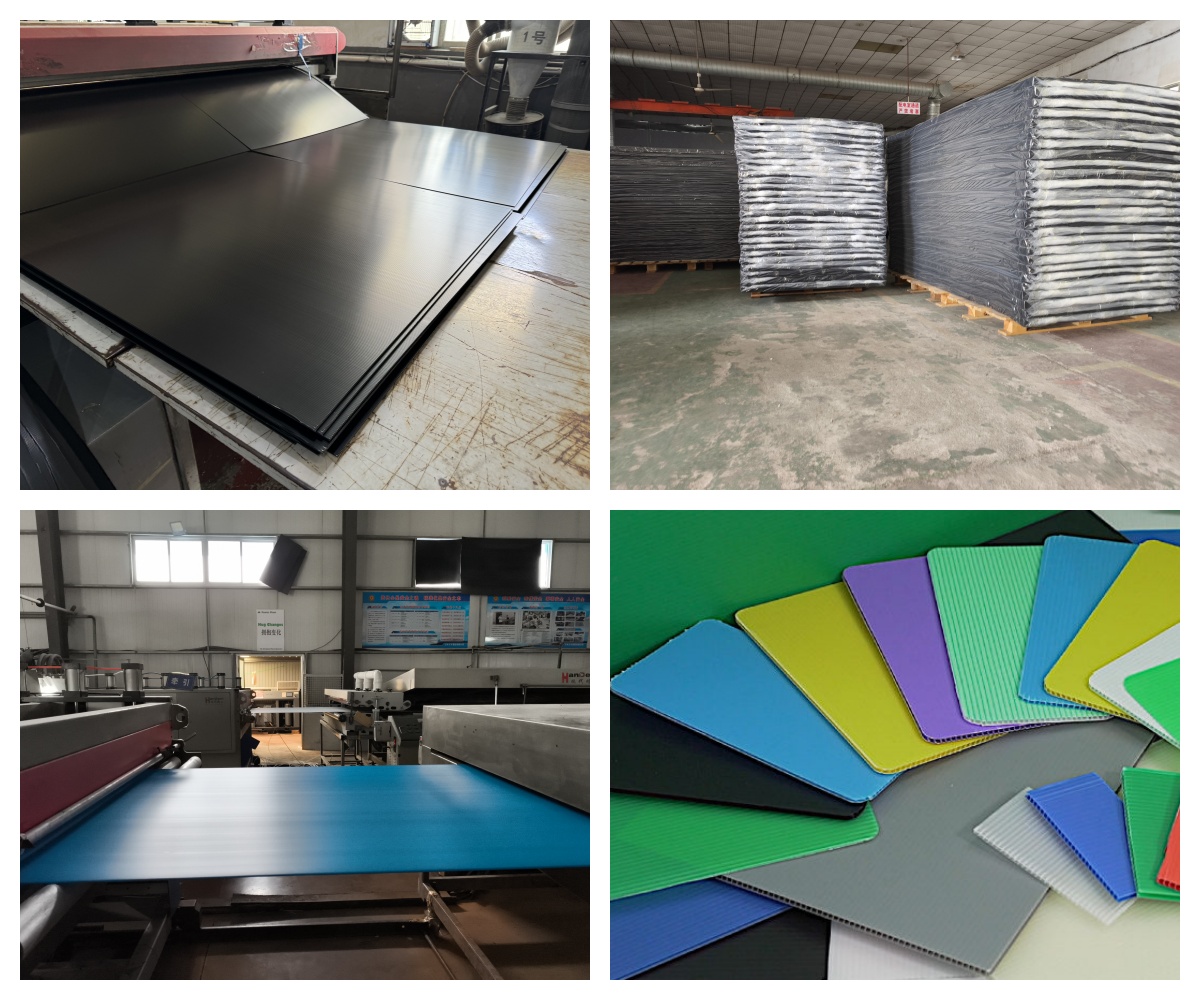
Thickness is another important characteristic. Hollow-profile plastic sheets are typically manufactured in thicknesses ranging from 2 mm to 12 mm. Thinner sheets (e.g., 2 mm or 3 mm) are primarily used for signage or lightweight packaging, whereas thicker sheets (e.g., 5 mm, 8 mm, or 10 mm) are suitable for applications requiring greater stability, such as logistics containers, warehouse partitions, and protective sheets for construction sites. Insufficient thickness can lead to product damage during transport; therefore, importers should select the appropriate thickness based on load requirements rather than focusing solely on cost.
Density, usually expressed in g/m² (grams per square meter), is closely linked to strength. In general, a higher g/m² value results in a stiffer and more robust sheet. However, it is important to strike a balance between the g/m² rating and the overall weight, particularly in relation to export shipping costs. An optimally balanced product helps reduce logistics costs by providing the necessary strength without unnecessary material usage.
Surface treatment is another crucial factor. For sheets intended for printing, corona treatment of the surface is essential to ensure proper ink adhesion. For outdoor applications, sheets with UV stabilizers are recommended to prevent discoloration or material degradation caused by sunlight exposure. In sectors such as the electronics industry, antistatic (ESD) sheets are required to protect sensitive components from electrostatic discharge.
Dimensional accuracy is also a key factor. While standard sizes such as 1220 × 2440 mm are widely used, many importers require custom dimensions tailored precisely to their packaging systems. A reliable manufacturer should offer flexible customization options, ranging from dimensions, color, and thickness to functional additives that provide properties such as fire resistance or electrical conductivity.
Efficiency in packaging and loading is another important aspect. Corrugated plastic sheets are typically packed on pallets or in bundles. Proper pallet loading ensures safe transport and optimal use of container capacity. Importers should review loading plans in advance to optimize shipping costs and prevent damage during long-distance transport.
Supplier reliability is crucial for long-term procurement success. Importers should evaluate factors such as the supplier’s company size, production capacity, quality control systems, and export experience. It is highly advisable to request samples before placing bulk orders in order to verify material consistency, strength, and surface quality.
In summary, purchasing corrugated plastic sheets is not merely a matter of price; it is a process that requires careful evaluation of material quality, technical specifications, and supplier performance. Importers who take these factors into account can significantly reduce risks, improve packaging efficiency, and build a more stable long-term supply chain.
 عربي
عربي Deutsch
 Français
 Italia
 Portugal
 España