










How Electronics Industry Uses Anti-Static Corrugated Packaging
2026-06-29In the electronics industry, protecting products during storage and transportation is crucial, as even the slightest electrostatic discharge can damage sensitive components. Components such as semiconductors, printed circuit boards, integrated circuits, and display panels are highly sensitive to static electricity generated by friction, handling, or environmental conditions. To mitigate this risk, many manufacturing and logistics facilities use antistatic packaging made from corrugated polypropylene (PP) sheets with a hollow structure.
These antistatic corrugated sheets contain conductive or dissipative additives that control the buildup and dissipation of electrostatic charges. Unlike conventional packaging materials, which are prone to static accumulation, these sheets allow electrical charges to dissipate safely across their surface. This prevents sudden discharges that could damage electronic components and provides a stable environment for electrostatic discharge (ESD) protection throughout the supply chain.
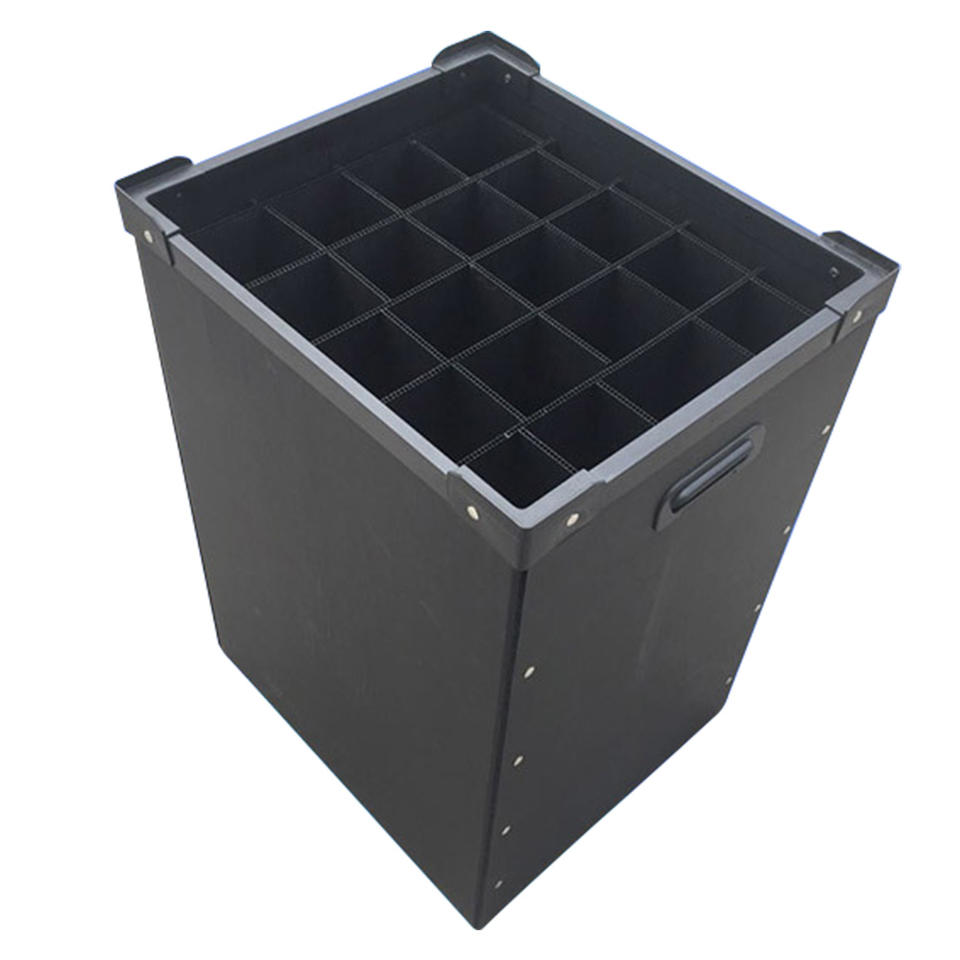
In electronics manufacturing, antistatic corrugated packaging is widely used for internal handling. Components are often stored in antistatic trays, containers, and boxes with partitions made from this material. These containers allow sensitive components to be organized efficiently while preventing static buildup during movement between production stages. This reduces the risk of product failure and improves operational efficiency by maintaining consistent safety standards.
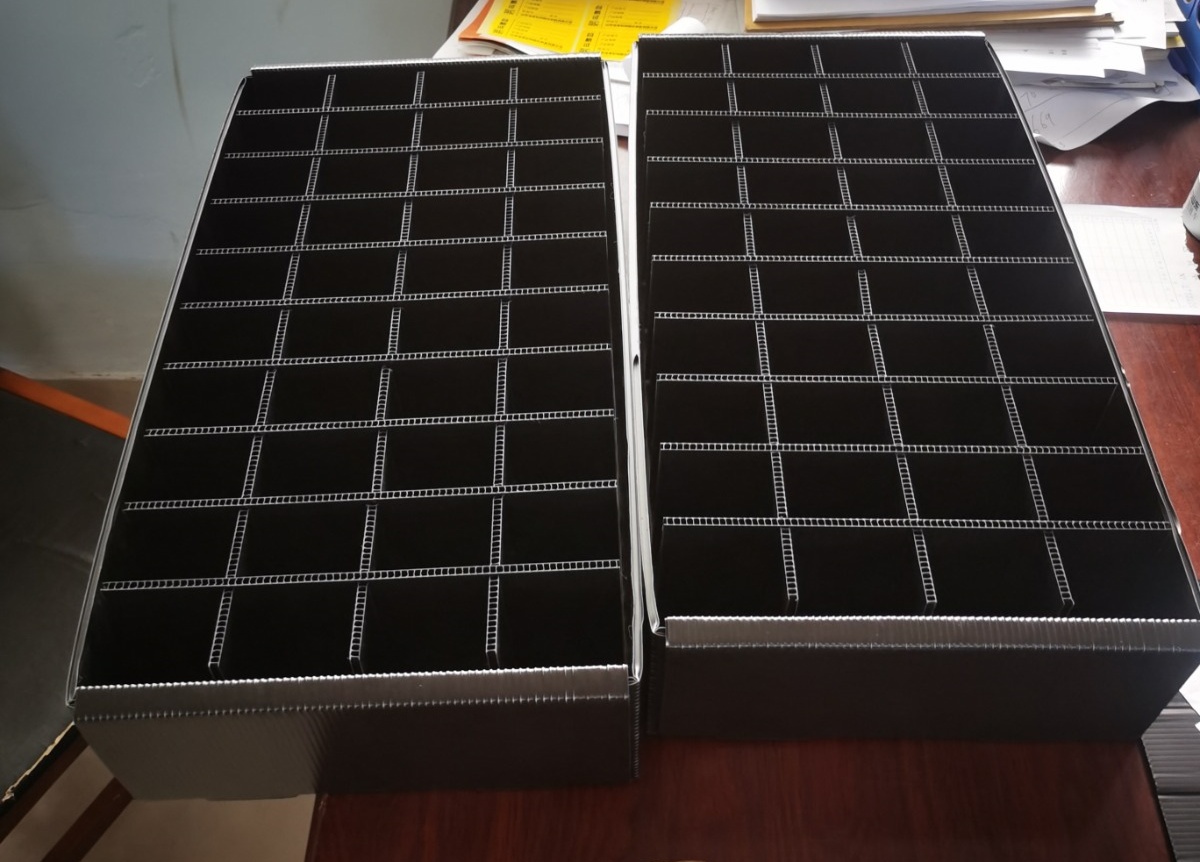
Antistatic boxes made from corrugated PP sheets also play a vital role during transportation. Electronic products are often shipped over long distances and exposed to varying humidity levels and mechanical vibrations. Conventional packaging materials such as cardboard can generate or accumulate static electricity, especially in dry environments. In contrast, antistatic PP corrugated packaging provides a stable and controlled environment that protects sensitive components from electrostatic discharge throughout the entire shipping process.
Cleanrooms and production areas are another key application field. Many electronics manufacturers enforce strict standards for contamination control and static prevention. Antistatic corrugated sheets are used to produce partitions, work surfaces, and protective barriers that meet these requirements. Due to their lightweight structure, reusability, and ease of cleaning, they offer a practical alternative to disposable packaging materials, helping companies reduce operating costs while maintaining high safety standards.
A major advantage of corrugated PP packaging in the electronics industry is its high level of customization. Manufacturers often require specific dimensions, thicknesses, and designs tailored to their production processes. Antistatic sheets can be easily die-cut, folded, or welded into custom trays and boxes, providing flexible solutions for a wide range of electronic components. This adaptability allows companies to optimize space utilization and storage efficiency.
In addition to performance benefits, sustainability is becoming increasingly important in the electronics sector. Antistatic corrugated polypropylene sheets are reusable and recyclable, making them an environmentally friendly alternative to single-use packaging materials. Many companies are now adopting these solutions to reduce waste and improve ESG performance across their supply chains. In short, antistatic corrugated packaging plays a key role in protecting sensitive electronic components from electrostatic discharge during production, storage, and transportation. The combination of safety, durability, customization, and environmental friendliness makes it an essential material in modern electronics logistics systems.
 عربي
عربي Deutsch
 Français
 Italia
 Portugal
 España