










Corrugated Plastic vs Solid Plastic Sheets: Key Differences Explained
2026-06-30When choosing plastic materials for packaging, construction, signage, or industrial applications, the two most common options are corrugated plastic sheets and solid plastic sheets. While both materials are made from durable thermoplastics, they serve different purposes and offer distinct advantages. Understanding the differences between these materials helps businesses choose the most cost-effective and practical solution. In many industries, corrugated plastic sheets have become the preferred choice because they offer an excellent balance of strength, lightweight performance, durability, and affordability.
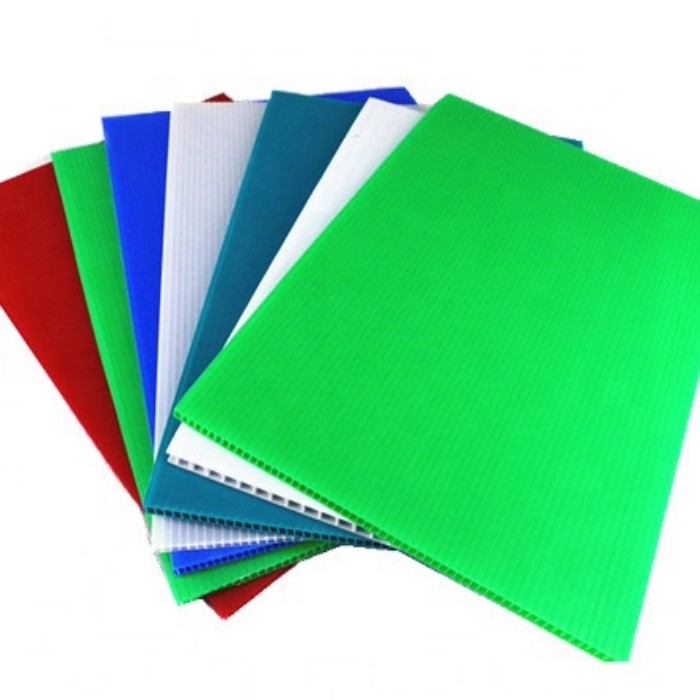
Corrugated plastic sheet—also known as PP twin-wall sheet or corrugated polypropylene sheet—features two flat outer surfaces connected by internal vertical ribs, creating a hollow-core structure. This unique construction results in a material that is both lightweight and strong, providing excellent structural performance without unnecessary weight. In contrast, a solid plastic sheet is manufactured as a single, dense panel with no internal cavities. While solid plastic sheets generally offer greater rigidity and impact resistance, they are significantly heavier and more expensive than corrugated plastic sheets of comparable size.
One of the greatest advantages of corrugated plastic sheets is their excellent strength-to-weight ratio. The hollow-core design provides outstanding structural stability while keeping the material lightweight. This makes corrugated plastic much easier to transport, handle, install, and store. Its low weight also helps reduce shipping costs, making it a cost-effective solution for manufacturers, distributors, and logistics companies. For businesses that require large quantities of packaging or protective materials, these savings can become substantial over time.
Another key advantage is versatility. Corrugated plastic sheets are easy to fabricate through die-cutting, folding, scoring, welding, stitching, and other processing methods, allowing them to be transformed into a wide variety of products. Common applications include reusable corrugated plastic boxes, pallet layer pads, divider partitions, floor protection sheets, tree guards, warehouse storage bins, outdoor signs, display boards, and custom industrial containers. Their excellent printability, especially after corona treatment, also makes them an ideal choice for advertising displays and promotional signage. While solid plastic sheets are better suited for applications requiring smooth surfaces and maximum rigidity, they are generally less suitable for lightweight packaging and customized fabricated products.
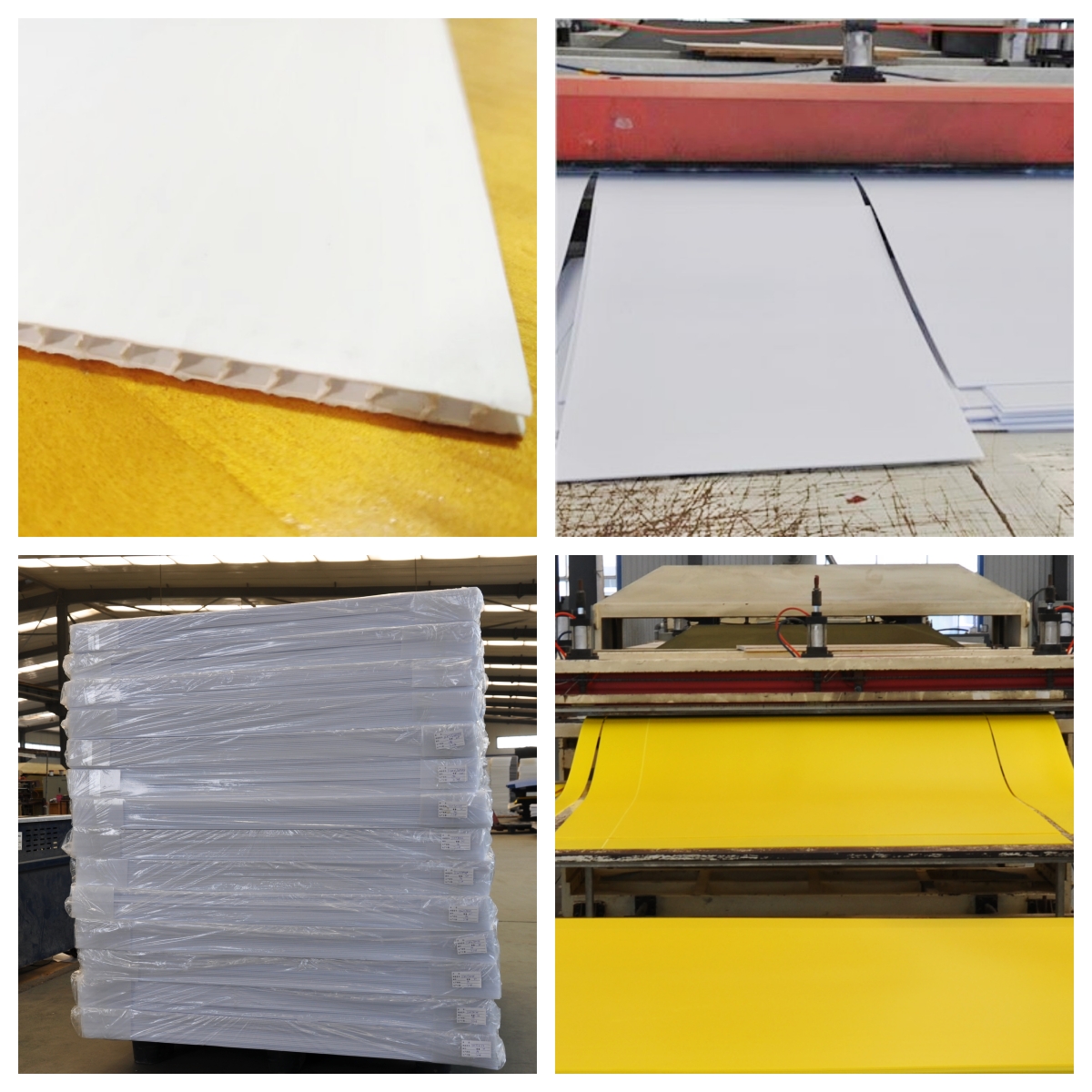
Moisture resistance is another area where corrugated plastic excels. Made from polypropylene (PP), the material does not absorb water and is highly resistant to moisture, chemicals, oils, and most industrial solvents. Unlike paper-based corrugated cardboard, corrugated plastic maintains its strength even in wet or humid environments, making it ideal for cold storage facilities, food processing plants, agricultural packaging, and construction sites. UV-stabilized grades are also available for long-term outdoor applications, providing reliable performance even under prolonged exposure to sunlight.
From a sustainability perspective, corrugated plastic sheets offer significant environmental and economic benefits. Their exceptional durability allows them to be reused many times, reducing the need for disposable packaging materials. Many companies have adopted reusable corrugated plastic packaging as part of their returnable packaging systems to reduce packaging waste and lower operating costs. Since polypropylene is fully recyclable, corrugated plastic sheets also support environmentally responsible manufacturing and circular economy initiatives.
Cost is another important consideration. Corrugated plastic sheets require less raw material than solid plastic sheets, making them more economical while still providing excellent mechanical performance for a wide range of applications. Combined with lower transportation costs, a long service life, and minimal maintenance requirements, corrugated plastic is one of the most cost-effective plastic materials available for industrial use.
Although solid plastic sheets remain the preferred choice for applications requiring maximum rigidity, optical clarity, or heavy structural performance, corrugated plastic sheets are the better solution for most packaging, logistics, construction protection, and advertising applications. Their lightweight construction, durability, moisture resistance, ease of fabrication, and outstanding cost performance make them an ideal choice for businesses seeking reliable, reusable, and sustainable materials. As industries continue to prioritize efficiency, sustainability, and cost reduction, corrugated plastic sheets remain one of the smartest and most versatile material solutions available today.
 عربي
عربي Deutsch
 Français
 Italia
 Portugal
 España