










What Thickness of Corrugated Plastic Protection Sheet Should You Choose?
2026-07-08Choosing the right thickness for corrugated plastic sheeting is one of the most critical considerations when planning construction, renovation or maintenance projects. An appropriate thickness delivers reliable surface protection while avoiding excess material expenses. As different use cases demand varying degrees of impact and abrasion resistance, clarifying your project requirements will help you pick the optimal specification.
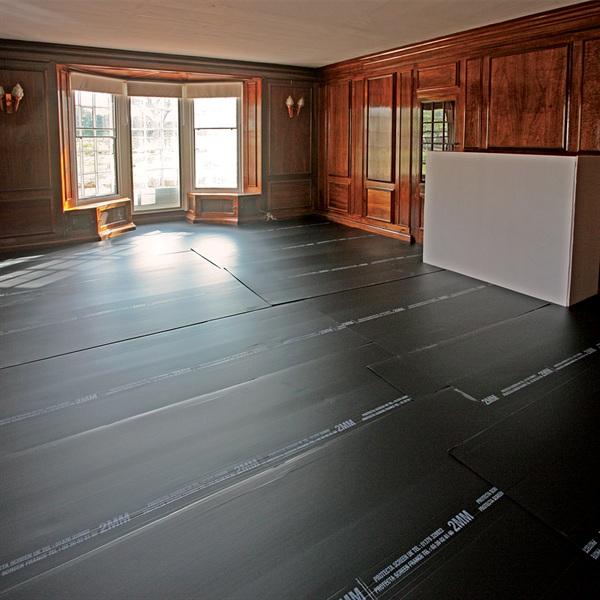
For light-duty applications, 2 mm corrugated plastic sheeting is usually adequate. Lightweight, easy to cut and quick to install, it works perfectly for covering floors, walls, windows and furniture during painting, interior decoration and small-scale renovation works. This grade creates a protective barrier against dust, light scratches and minor knocks, and delivers cost advantages for short-term jobs.
The most widely adopted grade is 3 mm corrugated plastic sheeting. It strikes an ideal balance between flexibility and sturdiness, fit for both residential and commercial construction scenarios. It withstands regular wear from foot traffic, hand tool operation and light equipment transportation, and safeguards wooden, tiled, laminate and vinyl flooring alike. For most contractors, 3 mm sheets serve as the universal standard thanks to their stable performance across diverse applications.
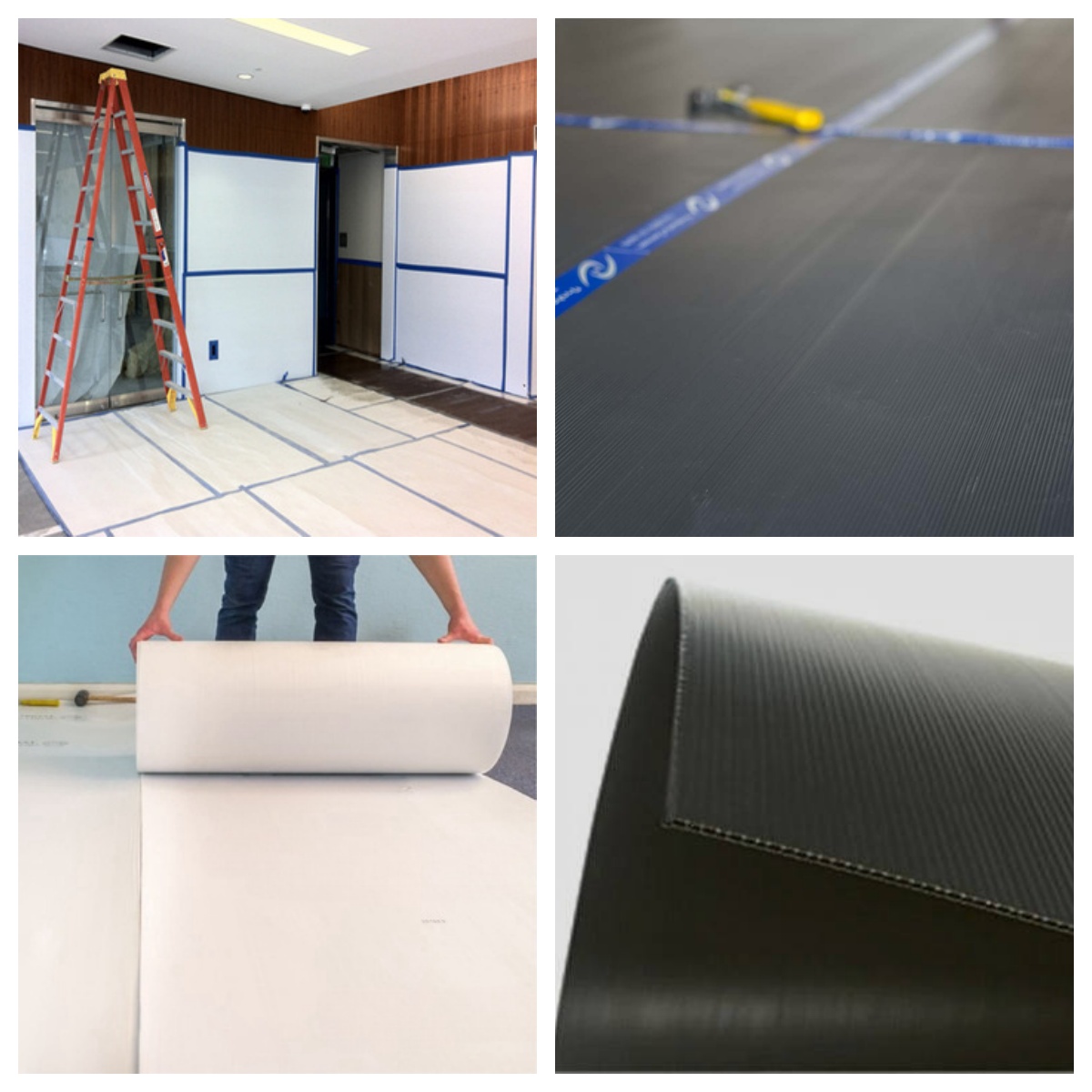
For sites with heavy footfall or long construction cycles, 4 mm and 5 mm sheets provide enhanced structural strength and rigidity. These thicker variants are highly recommended for high-traffic construction zones where trucks, ladders, scaffolding and building materials are frequently transported over finished surfaces. They boast superior impact and vibration resistance, lowering the likelihood of expensive floor restoration work.
Industrial sites or projects requiring maximum surface protection call for 6 mm or thicker corrugated plastic sheets. These heavy-duty panels are widely deployed in warehouses, manufacturing plants, airports, exhibition halls and other venues exposed to heavy machinery and continuous heavy traffic. Though thicker sheets come with a higher upfront cost, their outstanding durability and extended service life often render them the more cost-efficient choice for harsh working conditions.
Thickness is only one evaluation criterion. Areal density (GSM), raw material grade and production craftsmanship also determine the overall protective performance of the sheets. Two panels of identical thickness can deliver vastly different load-bearing and anti-impact performance, depending on the density and purity of the polypropylene raw material. For this reason, be sure to communicate both target thickness and grammage (GSM) with your supplier during product selection.
Customization options are available to match unique project demands. UV-stabilized sheets are designed for outdoor exposure; anti-static variants shield delicate electronic equipment; custom color matching and logo printing also boost brand exposure on construction sites.
In the final analysis, the ideal sheet thickness is determined by floor material type, anticipated abrasion intensity, project timeline and budget constraints. Partnering with an experienced manufacturer enables you to secure a solution that delivers full protection while controlling material expenditure. Selecting the correct grade of corrugated plastic sheeting from the outset is an effortless way to boost job-site efficiency, cut surface damage risks and guarantee neat, professional finishes for every project.
 عربي
عربي Deutsch
 Français
 Italia
 Portugal
 España