










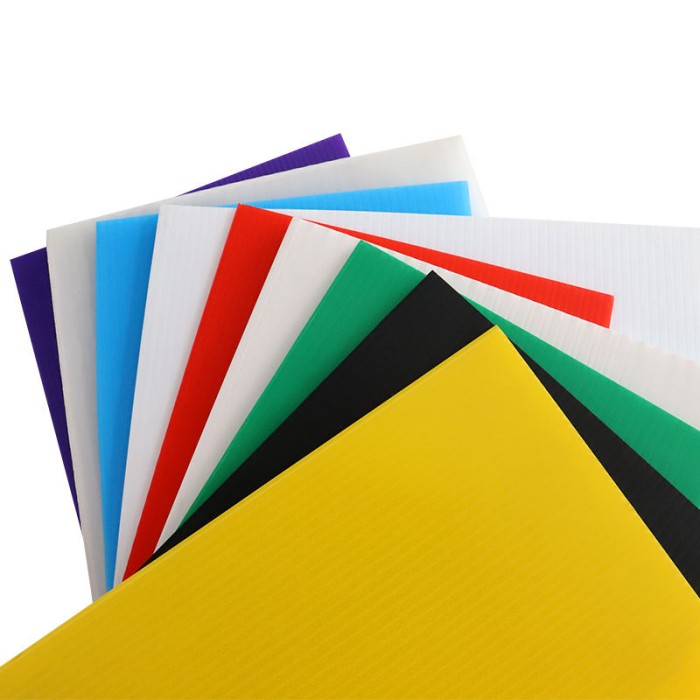
Why More Companies Are Switching to Reusable Corrugated Plastic
2026-07-15As businesses seek to reduce costs, improve productivity, and meet sustainability goals, renewable resources are becoming a priority in many sectors. Among the available materials, corrugated cardboard has established itself as one of the most efficient and cost-effective solutions. Pure plastic products that are lightweight, flexible, and designed for reuse are enabling businesses to replace cardboard and other single-use packaging materials with a sustainable alternative.
One of the main reasons for this change is to make it more efficient. Plastic is natural, usually recycled, resistant to moisture and everyday wear and tear. Unlike cardboard, which can weaken after being exposed to water or repeatedly wet, corrugated cardboard retains its strength through repeated wear and tear. This makes it ideal for renewable systems, data center operations, and consumer electronics.
Cost savings are another major benefit. While reusable plastic containers may cost more to purchase than single-use containers, they can be used thousands of times if used properly. Over time, the cost per use decreases significantly, helping companies reduce packaging costs and reduce the need for frequent equipment replacement. This is especially important for manufacturers and distributors who regularly move goods between facilities.
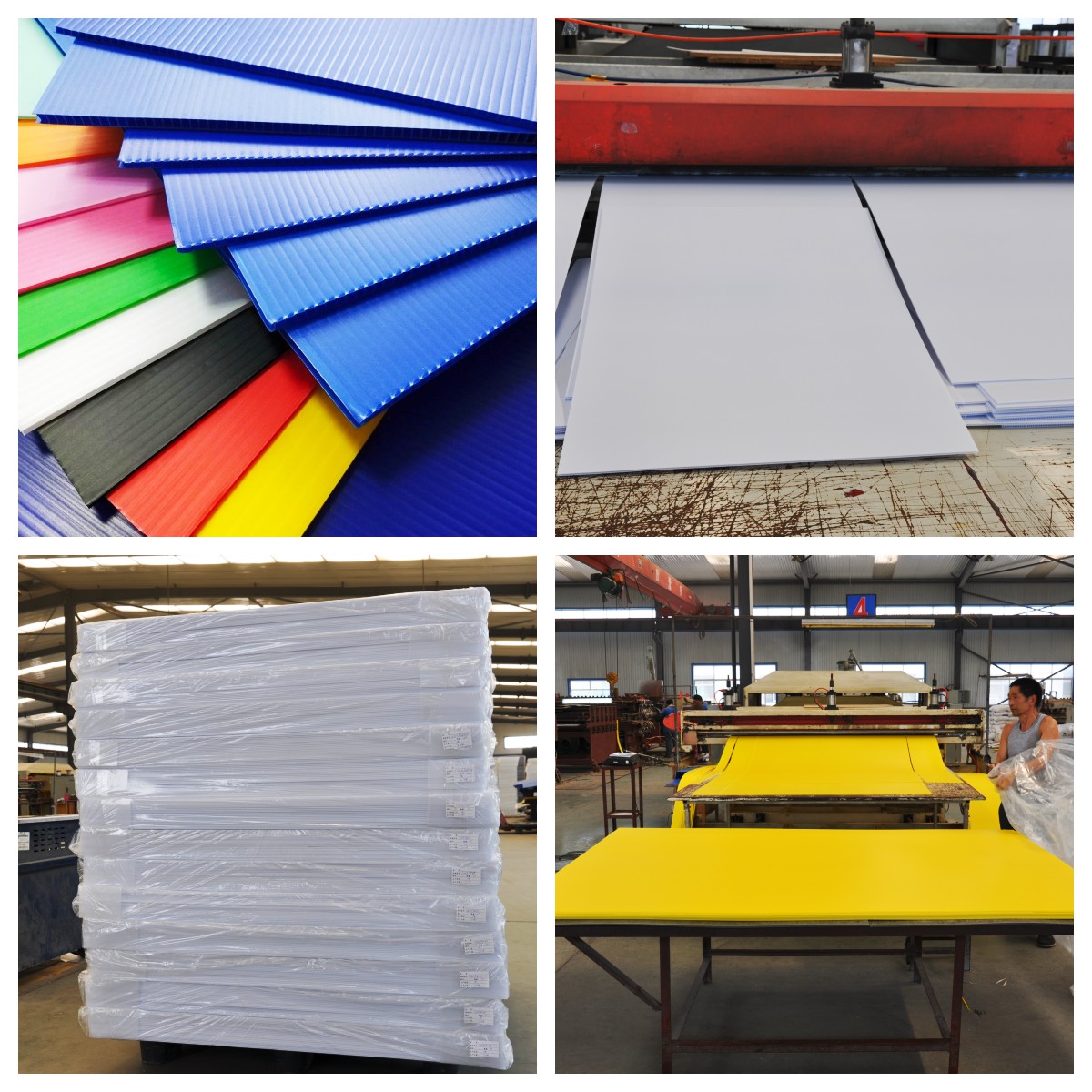
The potential for sustainability has also driven the growing demand for reusable plastics. Many companies are working to reduce packaging waste and its impact on the environment. By replacing single-use cardboard with reusable plastics, packaging materials and packaging, companies can significantly reduce the amount of waste. Polypropylene products can also be recycled at the end of their life, promoting a sustainable approach to recycling.
Another benefit is improved safety. Corrugated cardboard has excellent resistance to moisture, chemicals and temperature changes, while providing a reliable protective solution for the goods being transported. It is often used in automotive, electronics, pharmaceutical, agricultural and industrial products, where the quality of the product during transport is crucial.
Recyclable plastics are also very popular. Manufacturers can produce sheets and finished products in a variety of sizes, thicknesses, shapes, and forms to meet the specific requirements of any project. Additional technologies such as electrical resistance (ESD), UV protection, flame retardants, or manufacturing can improve performance and brand visibility. Efficiency is another reason why companies choose this approach. Lightweight packaging reduces sustainability and weight, while reusable boxes and dividers improve warehouse efficiency. Because corrugated cardboard is easy to clean and resistant to heat and chemicals, it requires little maintenance and can be quickly prepared for subsequent use.
Sectors such as consumer electronics, food and beverage, agriculture, electronics, consumer goods, and electronics have adopted recyclable plastics as part of their packaging strategy. As supply chains increasingly focus on efficiency and sustainability, the demand for durable, renewable energy is expected to continue to grow.
Choosing recyclable plastics is more than simply replacing one packaging material with another. It's an investment in lower labor costs, better inventory management, and a more sustainable supply chain. For companies looking for reliable and durable packaging materials, recycled plastic offers the perfect combination of functionality, value, and environmental responsibility.
 عربي
عربي Deutsch
 Français
 Italia
 Portugal
 España