










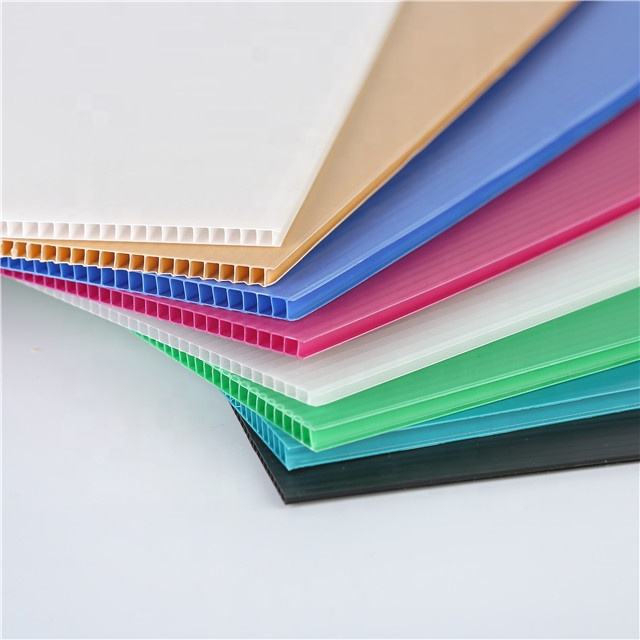
What Is the Difference Between GSM and Thickness in Corrugated Plastic Sheets?
2026-11-17When choosing PP corrugated plastic sheets, two important specifications often come up: GSM and thickness. Both affect the performance and quality of the sheets, but they describe different characteristics. Understanding the difference between these two measurements can help buyers select the right material for their specific applications and avoid unnecessary costs.
Thickness refers to the physical distance between the two outer surfaces of a corrugated plastic sheet. It is usually measured in millimeters (mm). Common thickness options include 2mm, 3mm, 4mm, 5mm, 6mm, 8mm, and 10mm. Thickness is an important factor when considering the structural design and overall rigidity of the sheet. In general, thicker sheets tend to provide better resistance to bending and are often preferred for applications requiring greater structural support.
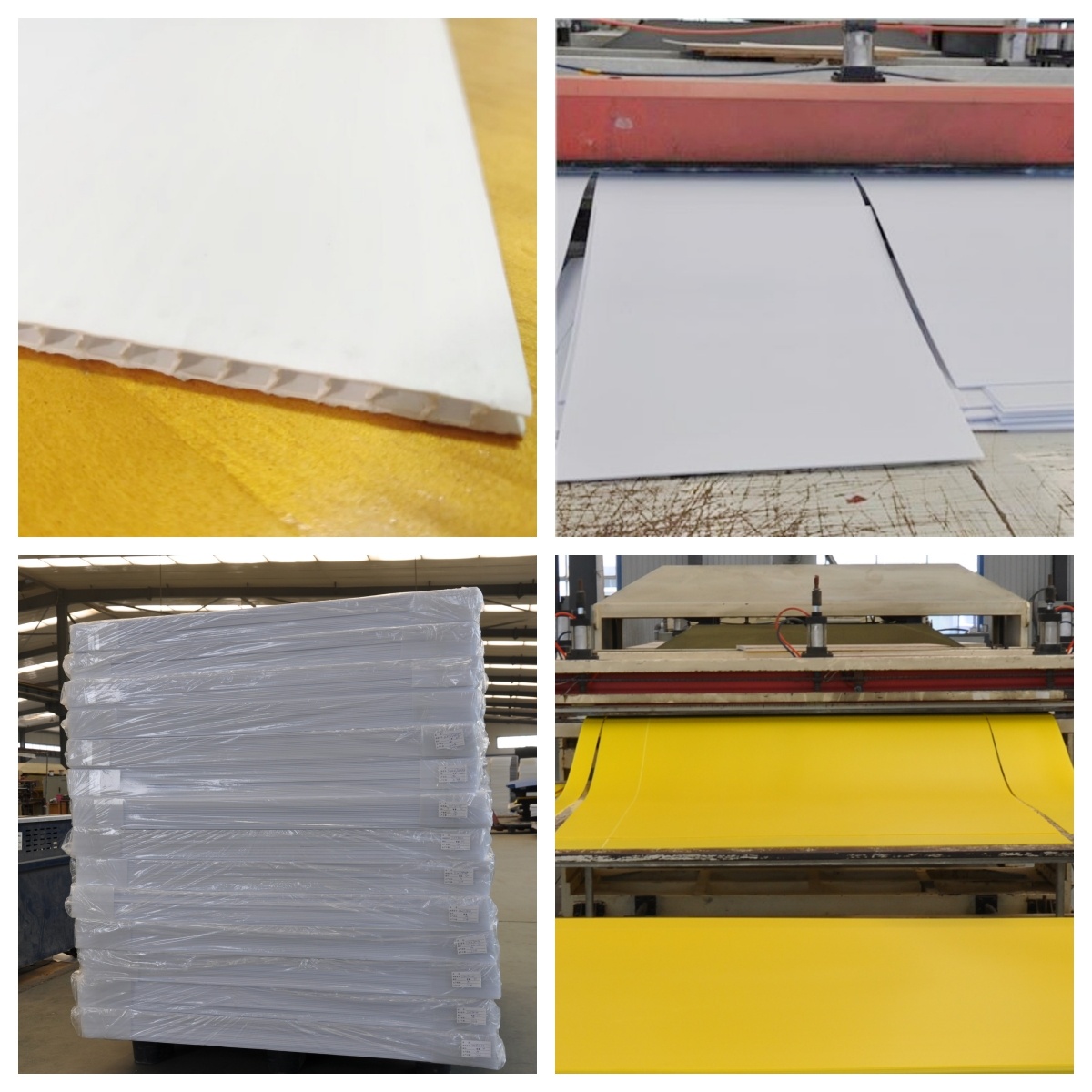
GSM stands for grams per square meter (g/m²), which indicates the weight of one square meter of material. For PP corrugated plastic sheets, GSM is commonly used to describe the material weight and density. For example, a sheet with a GSM of 600 weighs approximately 600 grams per square meter. A higher GSM generally means more polypropylene material is used in the sheet, which can contribute to improved stiffness, strength, and durability.
Although thickness and GSM are related, they are not interchangeable. Two PP corrugated sheets with the same thickness may have different GSM values. This is because their internal hollow structures, wall thicknesses, flute designs, and raw material consumption can vary. Similarly, sheets with the same GSM may have different thicknesses depending on their structural design. Therefore, thickness alone cannot fully determine the quality or strength of a corrugated plastic sheet.
When selecting corrugated plastic sheets, it is important to consider both specifications together. Thickness helps determine the overall dimensions and structural profile of the sheet, while GSM provides a better indication of how much material is used per unit area. Other factors, such as raw material quality, flute structure, manufacturing process, and intended application, should also be taken into account.
For example, lightweight 3mm PP corrugated sheets may be suitable for advertising signs, temporary displays, and general packaging. For applications requiring better rigidity and load-bearing performance, buyers may consider sheets with higher GSM values or greater thickness. In industrial packaging, reusable layer pads, and protective applications, selecting the appropriate combination of thickness and GSM can help improve product protection and service life.
At Mantis, we understand that different customers have different requirements for corrugated plastic sheets. We offer various thicknesses, GSM options, sizes, and colors to meet different application needs. Custom specifications are also available according to project requirements. Our team can help evaluate the suitable material structure and weight based on your intended use, helping you find a practical balance between product performance and cost.
In conclusion, GSM and thickness are two essential specifications for PP corrugated plastic sheets, but they serve different purposes. Understanding both measurements allows buyers to make more informed purchasing decisions and select products that meet their technical and application requirements. When requesting a quotation, providing both the required thickness and GSM, together with the intended application, will help manufacturers recommend a more suitable solution.
 عربي
 Deutsch
 Français
 Italia
 Portugal
 España